
Free in-home measure and quote - PGT, CGI and CWS impact lines compared on your actual openings, style by style
Sliding glass doors
Impact garage doorsPGTCGI
 Before
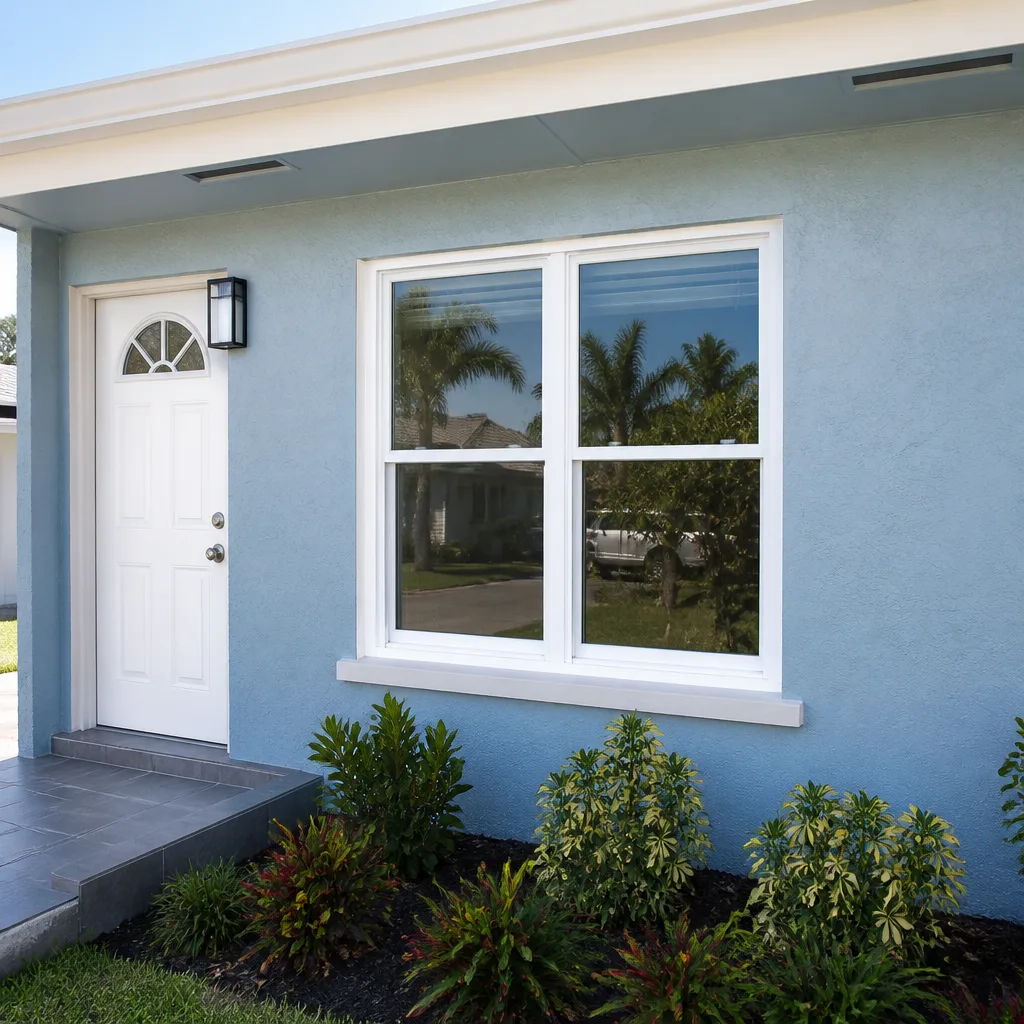 After
After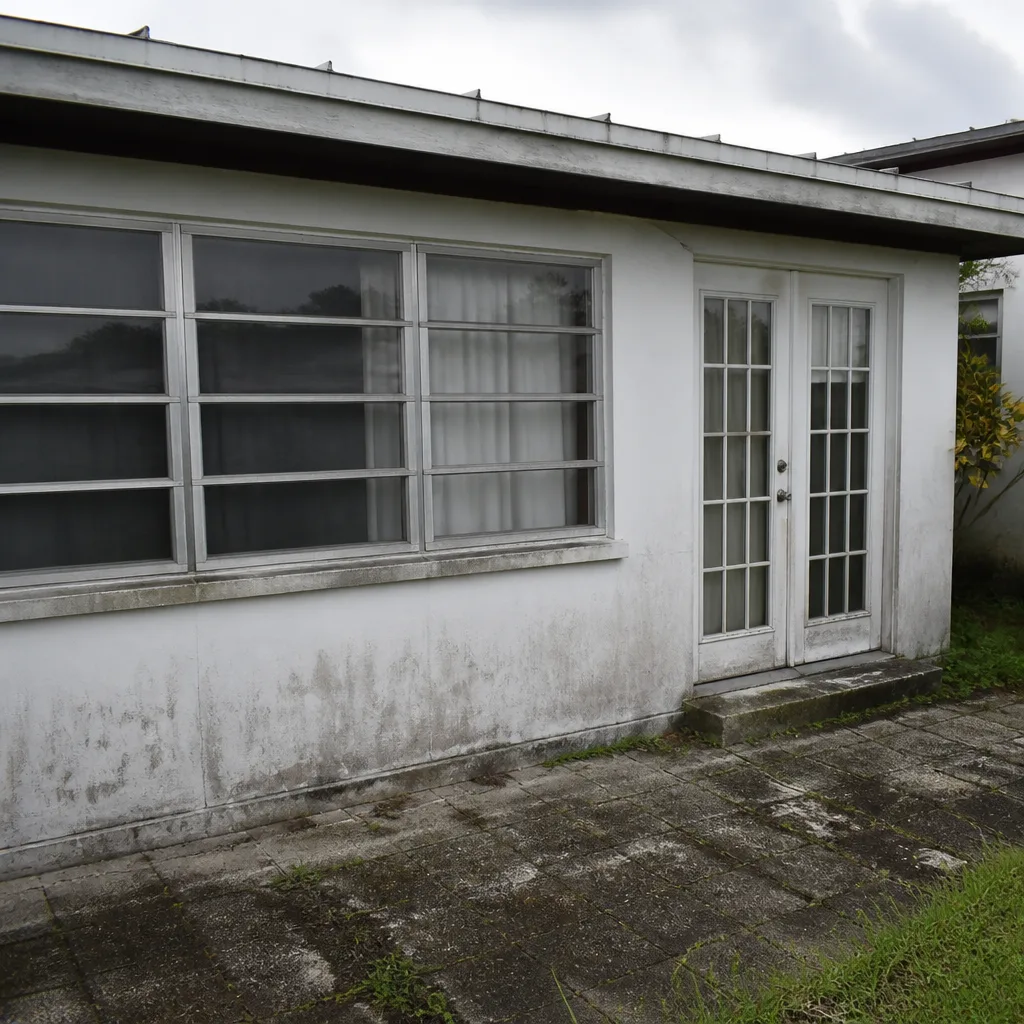 Before
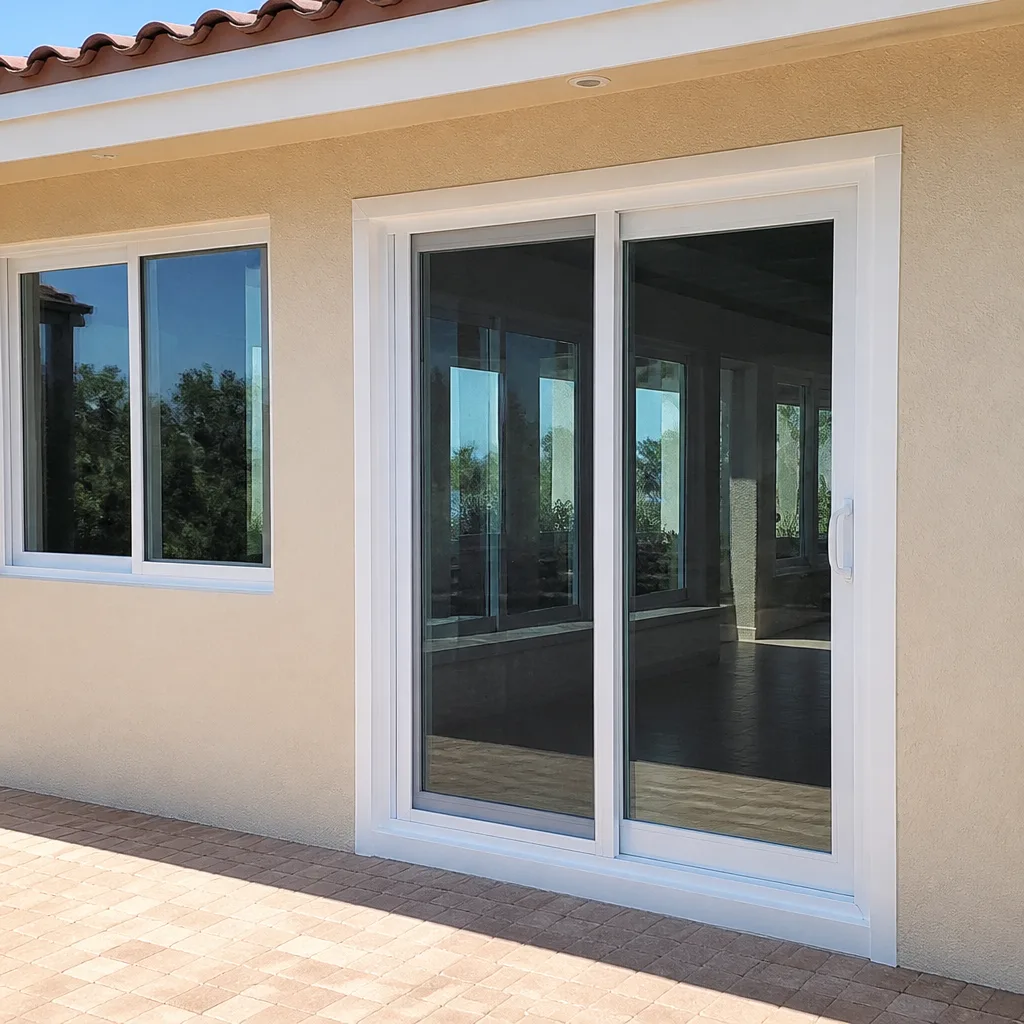 After
After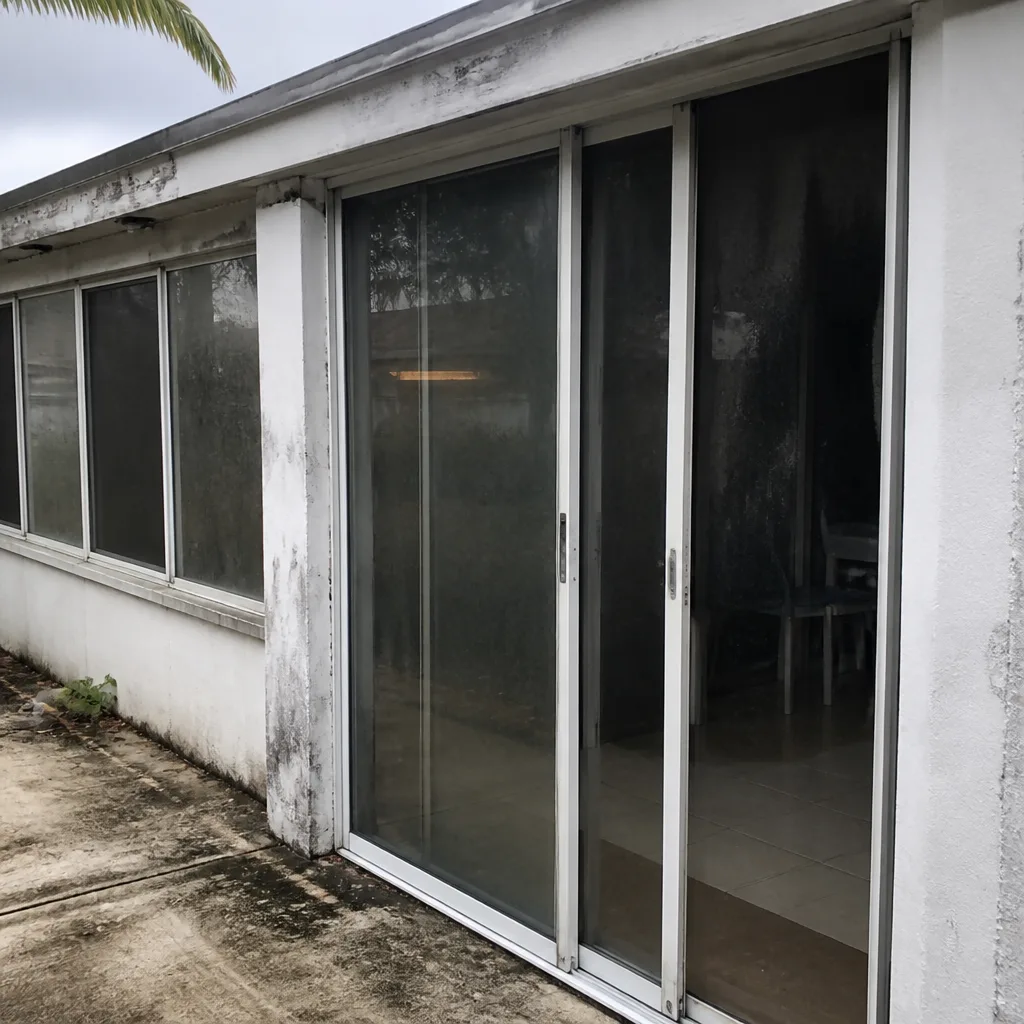 Before
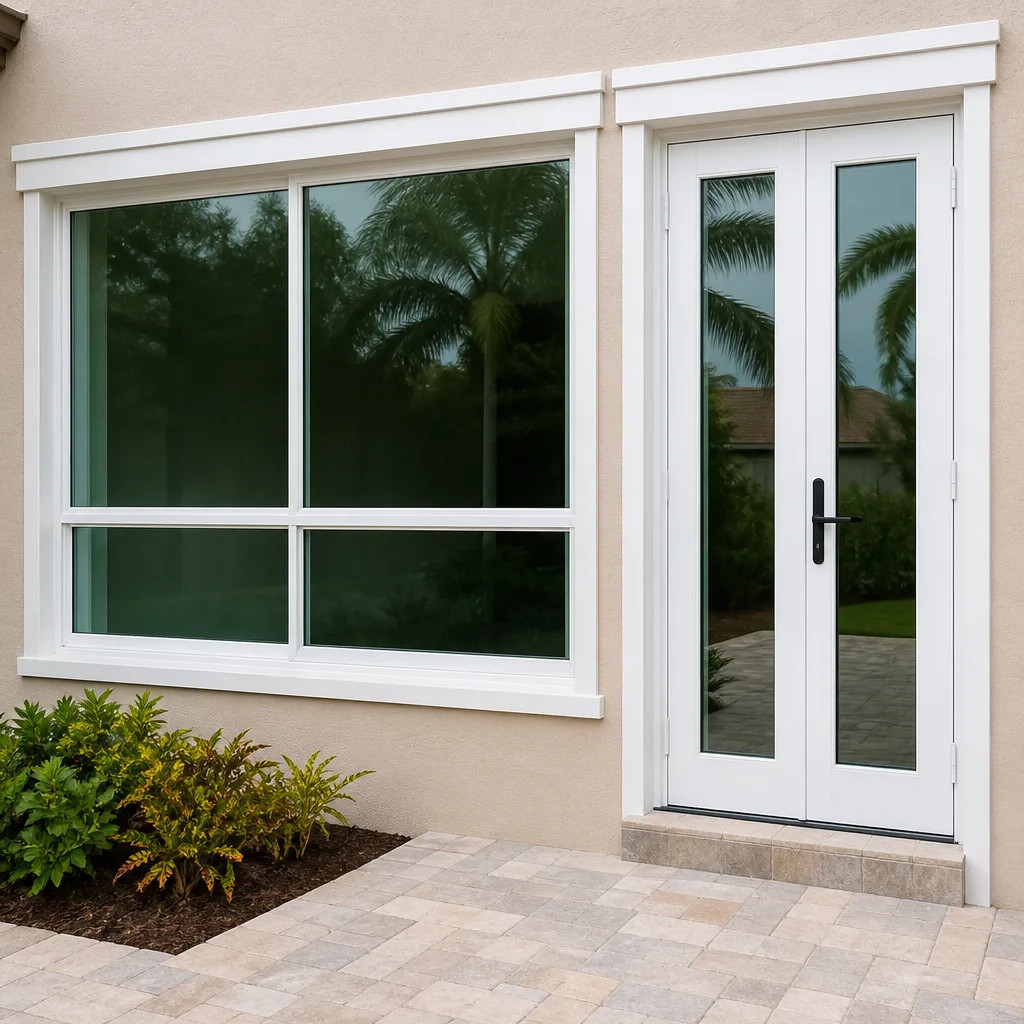 After
AfterLow-E Glass in Riviera Beach: What It Actually Does and Why It Matters Here
Low-E glass is window glass coated with a microscopically thin, transparent layer of metal oxide that reflects heat while letting light pass through. In Riviera Beach, that coating is the difference between an air-conditioned living room that holds at 74 degrees and one that fights the afternoon sun and loses. We install low-E glass in homes from the mainland’s CBS block ranches to the oceanfront towers on Singer Island, and the reason never changes: it cuts the solar heat coming through the glass by roughly 30 to 50 percent compared to clear single-pane glass, depending on the coating and the window orientation. Call us at (786) 829-6722 if you want to know what that means for your specific windows.
How Low-E Glass Works in a Coastal Climate Like Ours
Most people assume window glass is just window glass. It is not. Standard clear glass lets nearly the entire solar spectrum pass through: visible light, ultraviolet rays, and a large share of infrared heat. A low-E coating is engineered to be selective. It lets the visible light in while bouncing the infrared heat back toward where it came from. In summer, that means the heat outside stays outside. In the cooler weeks we get in January and February, the coating works the other direction: it reflects the heat your HVAC system generates back into the room instead of letting it escape through the glass.
Here in Riviera Beach, the coating does something else that matters more than most manufacturers mention. The same metal-oxide layer that reflects heat also slows the chemical reaction between salt air and the inside of the glass unit. On Singer Island, where the Atlantic throws salt spray against windows all day, we replace more failed double-pane units than anywhere else in Palm Beach County. What usually happens is this: the edge seal of the unit breaks down from years of salt and UV exposure, moisture works its way between the two panes, and the window fogs from the inside. Once that seal fails, no coating saves the unit. But a quality low-E unit with a properly sealed edge holds up longer in coastal conditions than clear glass, because the coating adds one more barrier where corrosion has to start.
What to Look For When You Are Comparing Low-E Windows
If you are reading this because a contractor handed you a quote and you are trying to figure out whether the upcharge for low-E is worth it, here is what we tell people to check:
- The coating type: There are hard-coat (pyrolytic) and soft-coat (sputtered) low-E coatings. Soft-coat generally performs better in hot climates, but hard-coat is more durable in coastal salt air. For most Riviera Beach homes, a high-performance soft-coat with a durable seal is the right call. For oceanfront condos on Singer Island, we lean toward manufacturers who design specifically for salt exposure.
- The number of coating layers: Single-layer low-E is common. Triple-layer silver low-E coatings from brands like CGI and ES Windows reflect far more solar heat and are what we quote most often for west-facing windows on the mainland, where the afternoon sun is relentless.
- The glass package, not just the coating: Low-E works with argon or krypton gas fill between panes to boost insulation. A low-E coating on a single pane of glass is not the same product as a low-E coating on a properly sealed insulating glass unit with gas fill.
- The frame the glass sits in: A good coating in a corroded aluminum frame still leaks air. This is the part of the conversation that gets skipped, and it is the part that matters most on the coast.
What Low-E Glass Costs in Riviera Beach Right Now
We quote windows and doors every week, so we can give you real numbers instead of vague ranges. For a typical 36-by-60-inch low-E impact window, installed, homeowners in Riviera Beach and Palm Beach Gardens are looking at roughly $900 to $1,600 per window, depending on the manufacturer, the frame material, and whether the opening needs new fastening or refinishing. A sliding glass door with low-E impact glass runs between $4,500 and $8,000 installed. Clear, non-impact low-E windows without hurricane rating come in lower, usually $500 to $900 per window. These are installed prices with the old window removed and the opening flashed properly.
| Product Type | Typical Installed Price in Riviera Beach |
|---|---|
| Low-E impact single-hung window (36″ x 60″) | $900 - $1,600 |
| Low-E impact sliding glass door | $4,500 - $8,000 |
| Low-E non-impact window (no hurricane rating) | $500 - $900 |
| Upgrade from clear glass to low-E only | $60 - $150 per window |
One thing we tell every homeowner: if a quote comes in far below these numbers for impact-rated low-E glass, the corners being cut are usually in the installation, not the glass. Out-of-square frames get shimmed with whatever is in the truck, flashing gets skipped, and the first tropical storm finds the gap. Dale Kessler grew up in the Blue Heron neighborhood of Riviera Beach and has spent the better part of two decades measuring, setting, and weatherstripping windows across Palm Beach County. We would rather tell you the honest number up front than show up with a change order later. That is the whole idea behind the Done Right Promise, and it is why we say, if the pane is not true, the job is not done.
Why Low-E Matters More on Singer Island Than Anywhere Else in the County
Singer Island is its own climate. The condominium towers built there in the 1960s through 1980s face direct Atlantic salt spray, maximum coastal wind-load requirements, and Florida’s post-Surfside milestone inspection laws. We are in and out of those buildings constantly, and the pattern is the same: original aluminum sliding doors with tracks so corroded they no longer roll, single-pane windows that leak heat and sound, and condo boards now under engineer-of-record sign-off to bring every glazed opening up to current impact standards.
Low-E glass, in that context, is not a comfort upgrade. It is part of a code-driven replacement that also has to meet Florida Product Approval impact ratings. The good news is that most impact-rated low-E packages we install, from manufacturers like ECO Window Systems and CWS, do both jobs at once: they pass the structural and missile-impact testing, and they cut the solar heat load enough that owners notice their HVAC systems cycling less even before the install crew packs up. On a 12th-floor oceanfront unit with west exposure, that heat reduction is the difference between a living room you can use in July and one you avoid until sunset.
How to Tell If Your Current Windows Have Low-E Glass
If you are not sure whether the glass in your house is low-E, there is a simple test. Light a match or a lighter and hold it a few inches from the glass at night, then look at the reflection. Clear glass reflects a single flame. Low-E glass reflects one flame clearly and a second, fainter flame slightly offset. That second reflection is the coating. You can also look at the glass from an angle in daylight: low-E coatings often have a very subtle blue, gray, or bronze tint, though it is faint enough that most people never notice.
Homes built in Riviera Beach before the mid-1990s almost certainly do not have low-E glass. The original jalousie and horizontal-slider windows in the mainland’s post-WWII concrete block houses were single-pane clear glass, and most have been replaced at least once by now, often with the cheapest double-pane clear unit available at the time. If your windows fog between the panes, you have a failed seal regardless of whether the glass is low-E, and the fix is replacement, not repair. That is where a trained glazier’s assessment matters more than a brochure.
Is Low-E Worth the Extra Cost When Replacing Windows?
The short answer is yes for almost every home in Riviera Beach. The longer answer depends on your exposure. A north-facing window in a shaded carport sees very little direct sun, and low-E there is a modest benefit. A west-facing window or a sliding door that looks straight at the ocean takes a daily beating from solar heat, and low-E pays for itself fastest there. In our Energy-Efficient Windows in Riviera Beach work, we quote the low-E option in writing for every opening, so you can see the exact dollar difference per unit and decide with the numbers in front of you. We are an authorized installer for more than a dozen manufacturer lines, including, PGT, and CGI, and we put the quotes side by side on paper. If it is not right on paper, it will not be right on the wall.
We also tell people to think about the warranty as part of the cost. Low-E coatings on quality manufacturer glass are warranted for years, sometimes the life of the window, but only if the warranty is registered and the installation meets the manufacturer’s specification. That is our home standard on every job: both warranty layers registered in writing before the truck leaves the driveway, durations stated, no surprises. A cheap install that voids a good warranty is a bad deal at any price.
FAQs
Low-E glass is made of standard float glass with a microscopically thin layer of metal or metallic oxide, usually silver, applied to one surface of the glass during or after manufacturing. The coating is transparent to visible light but reflects infrared heat and some ultraviolet light.
No, low-E glass does not meaningfully darken a room. It blocks a large share of infrared heat and some UV rays, but it lets visible light through nearly unchanged. A good low-E window in Riviera Beach will look clear; if you notice a dark tint, that is usually an added tint, not the low-E coating itself.
Low-E film can be applied to existing glass, but it is not the same product as factory-coated low-E glass. Applied films peel, scratch, and fail in the direct coastal sun far faster than factory coatings, which are baked into the glass during manufacturing. For a permanent solution, the glass unit needs to be replaced.
Expect to pay roughly $900 to $1,600 per installed low-E impact window in Riviera Beach, and $4,500 to $8,000 for a low-E impact sliding glass door. If you’d like an exact quote for your home, call (786) 829-6722. We give you the price in writing before any work begins.
Yes, in most cases we can measure, order, and install low-E glass replacement units on a single visit, and we keep common sizes in stock for the most popular Riviera Beach window types. Call (786) 829-6722 in the morning and we will tell you honestly whether your opening can be done same-day.
Have a Window Question? Call Us.
If you have a window that is fogging, a room that will not hold cool air, or a condo board asking for impact upgrades on Singer Island, we will come look at it. TruePane Windows & Doors offers a no-pressure assessment in Riviera Beach, with pricing on paper and no obligation. Call (786) 829-6722 and a live person answers.
Written by Dale Kessler, Owner, TruePane Windows & Doors at TruePane Windows & Doors, serving Riviera Beach, FL.
Six Reasons Homeowners Choose TruePane Windows & Doors
Impact systems engineered to design pressures up to +/-100, matched to your wind zone - your openings hold when the storm arrives.
Low-E insulated impact glass from our manufacturer lines commonly cuts monthly cooling bills 20-30%.
Laminated impact glass shuts out up to 40% of outside noise - traffic, neighbors, weather.
Monitoring services run $30-90 a month. Laminated impact glass resists forced entry around the clock, with no subscription.
Florida homeowners average around 25% savings on the windstorm portion of their policy after protecting every opening - some homes qualify for more.
A full impact package upgrades curb appeal, buyer confidence and appraised value in one project.