
Free in-home measure and quote - PGT, CGI and CWS impact lines compared on your actual openings, style by style
Sliding glass doors
Impact garage doorsPGTCGI
 Before
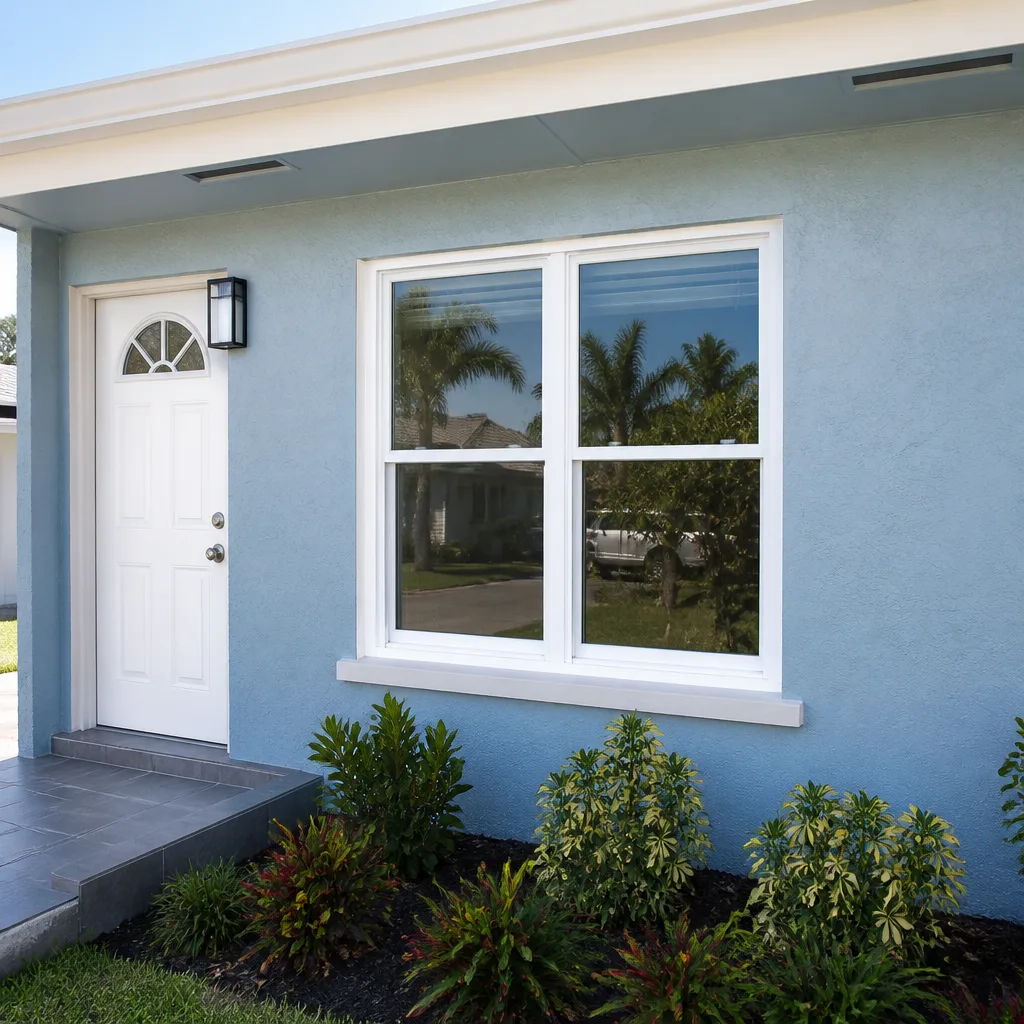 After
After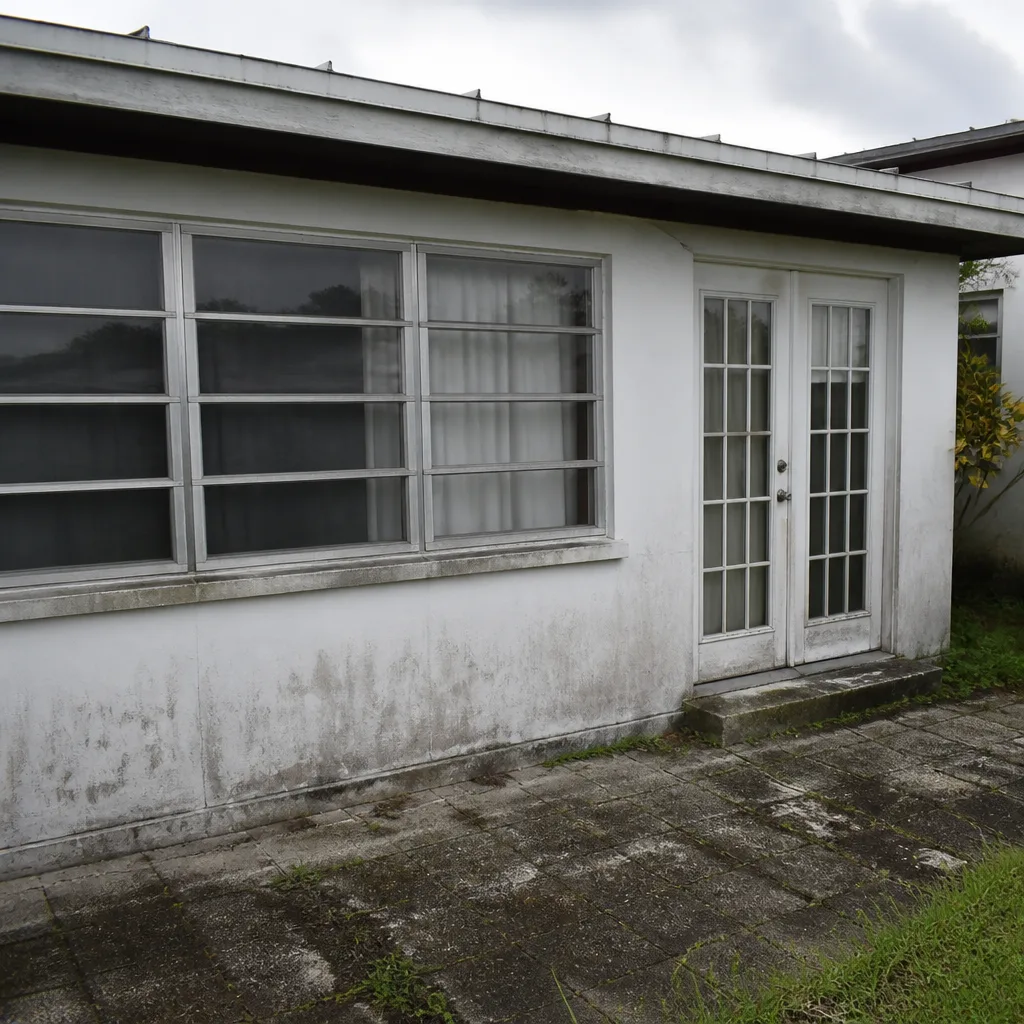 Before
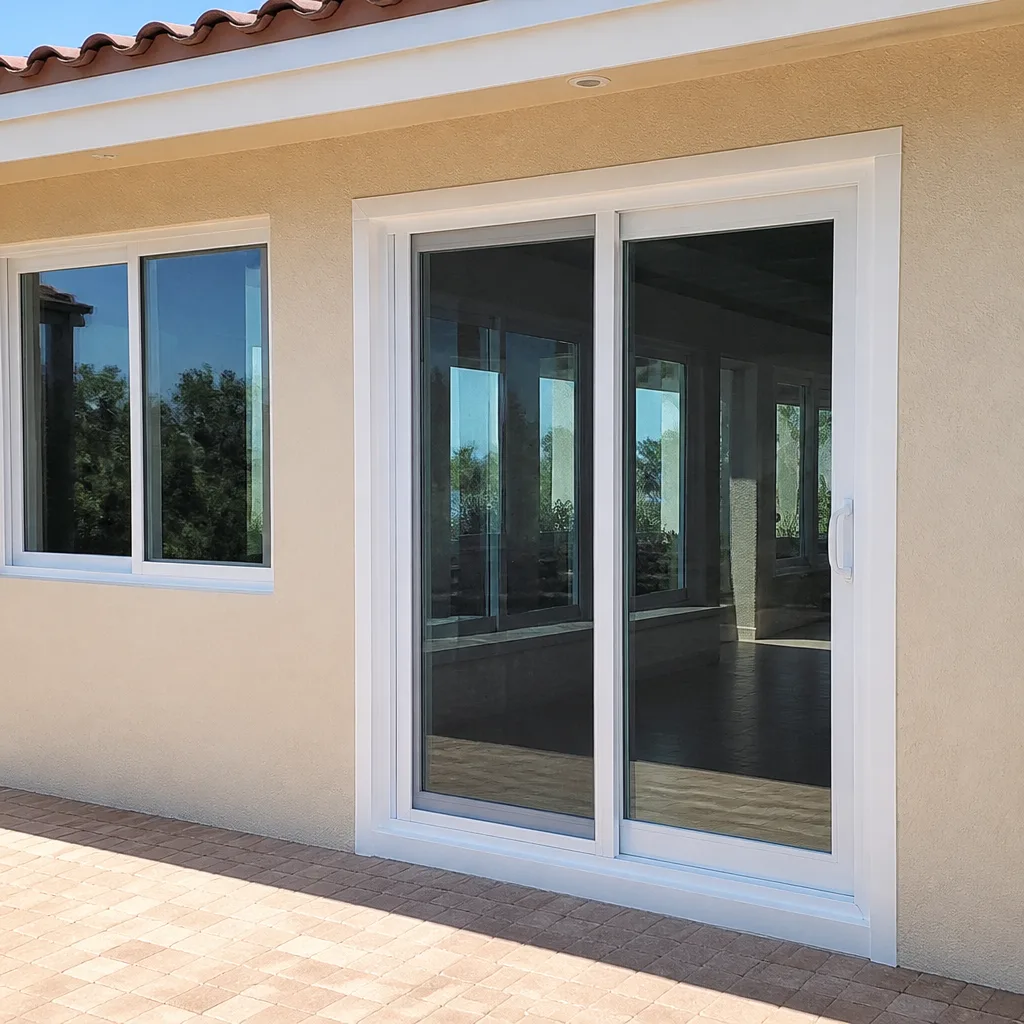 After
After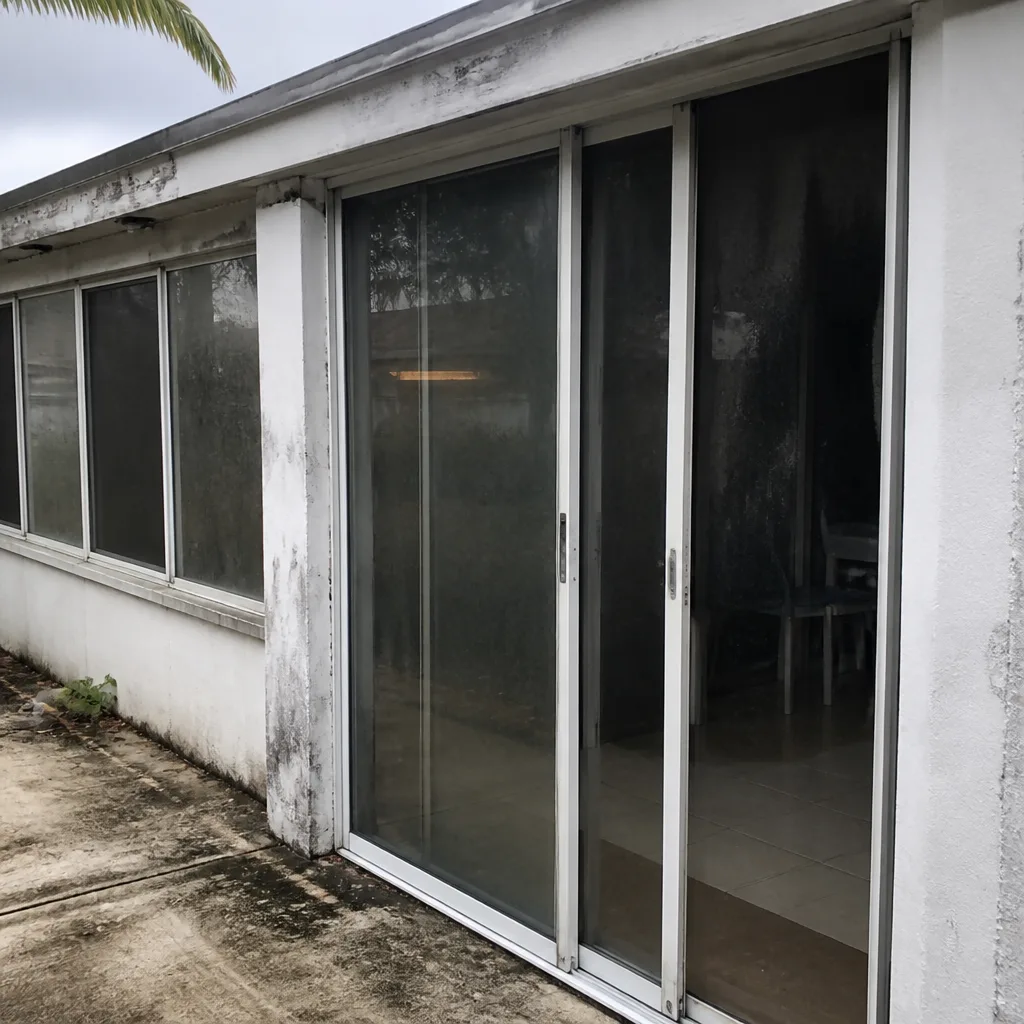 Before
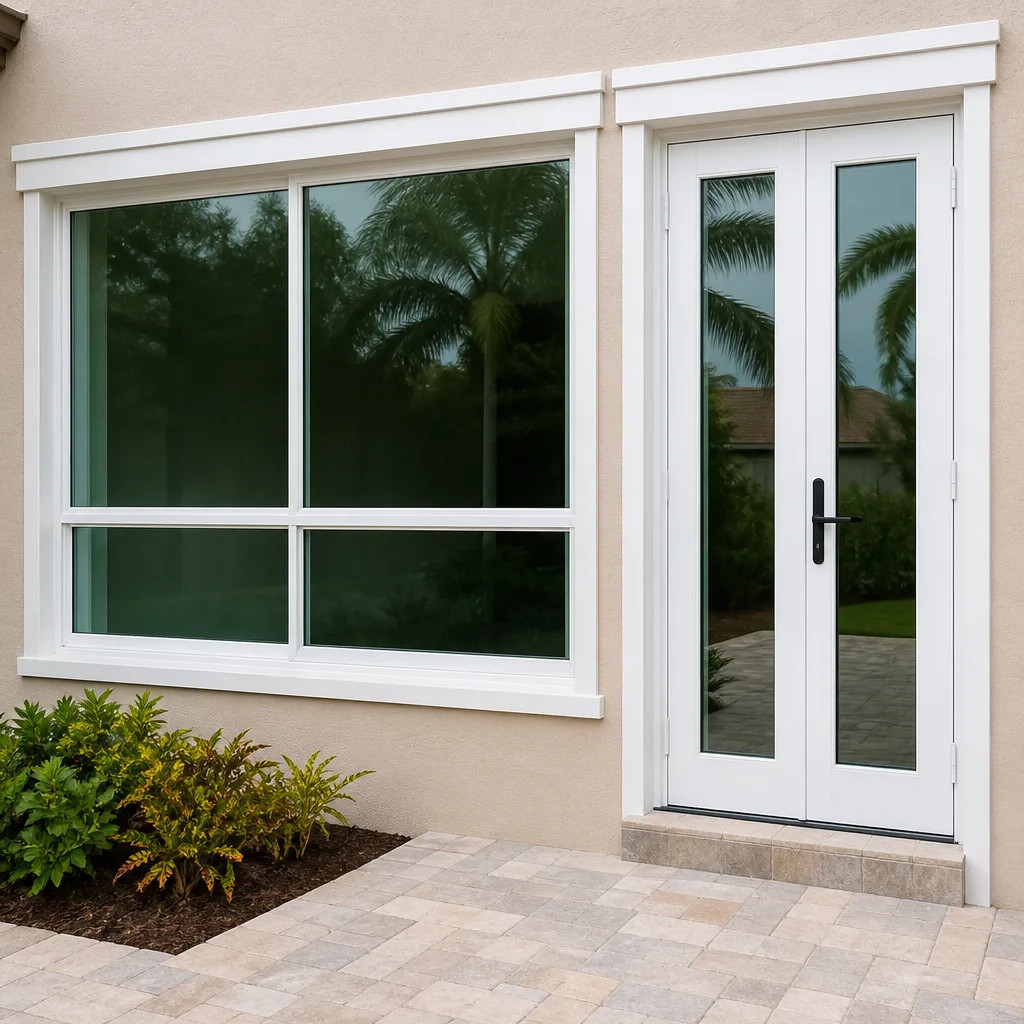 After
AfterVinyl vs Fiberglass Windows in Riviera Beach, FL: Choose Fiberglass Only If You’re on the Water
For most Riviera Beach homeowners, vinyl windows are the right choice: they cost 25-40% less than fiberglass, deliver nearly identical energy efficiency in our climate, and won’t corrode in the salt air that eats aluminum frames along the Intracoastal. Fiberglass earns its higher price only on Singer Island and direct-oceanfront properties, where constant salt spray and brutal UV exposure justify the upgrade. Call (786) 829-6722 and we’ll quote both options side by side so you can see the real numbers.
What Actually Fails First in Riviera Beach: It’s Not the Glass
Most window comparison articles talk about glass coatings and frame materials like they exist in a lab. They don’t account for what happens when a window lives three blocks from the Atlantic for twenty years. Here’s what we see on the mainland and out on Singer Island, where Dale Kessler has spent two decades setting frames: the glass is almost never the problem. The frames, tracks, and hardware fail first.
Riviera Beach’s mainland housing stock is largely concrete block construction from the 1950s through the 1970s, and a surprising number of those homes still have their original single-pane aluminum jalousie or horizontal-sliding windows. Those frames were never built for impact resistance, and after fifty years of humidity cycles, the tracks bind, the screws strip out of corroded channels, and the weep holes clog with salt crust. Homeowners call us thinking they need new glass. What they need is a frame replacement. That’s the job we do most here.
This matters for the vinyl-vs-fiberglass decision because the dominant failure mode in Riviera Beach is frame corrosion, not glass breakage. Vinyl frames don’t corrode. Period. They’re extruded PVC with no metal to oxidize. Fiberglass frames don’t corrode either, but they cost significantly more for a benefit that, on the mainland, you’ll never actually need. The salt spray that destroys aluminum stops being a frame-killer the moment you switch to vinyl.
Where Fiberglass Actually Wins: Singer Island and Direct Oceanfront
Singer Island changes the math. The barrier island is municipally part of Riviera Beach, and its dense corridor of condominium towers built from the 1960s through the 1980s faces maximum salt-spray corrosion and Florida’s post-Surfside mandatory inspection and recertification laws under SB 4-D. Those buildings are now replacing full window and sliding glass door systems at a scale you won’t find in West Palm Beach or Palm Beach Gardens.
In oceanfront high-rise units, fiberglass frames earn their premium for two reasons. First, fiberglass expands and contracts at nearly the same rate as the glass it holds, which means the seals stay intact through the temperature swings between a July afternoon on a concrete balcony and a January cold front. Vinyl handles this fine on the mainland, but twenty stories up with direct Atlantic exposure, the thermal stress is relentless. Second, fiberglass frames are stiffer than vinyl, meaning less deflection under the wind loads that hit Singer Island’s eastern face during hurricane season. When an engineer-of-record has to sign off on your window package under the new condo recertification mandates, that stiffness matters.
If you’re in a Singer Island condo and your original 1970s sliding glass door has tracks so corroded the panel won’t move anymore, we’ve replaced hundreds of them. In those units, we recommend fiberglass or marine-grade impact vinyl from PGT, CGI, or ES Windows. On the mainland, we rarely recommend fiberglass at all.
Head-to-Head: Vinyl vs Fiberglass in Riviera Beach
| Factor | Vinyl | Fiberglass |
|---|---|---|
| Cost per window (materials + install) | $380-$650 | $650-$1,100 |
| Frame corrosion in salt air | None | None |
| Thermal expansion match with glass | Good | Excellent |
| Wind-load stiffness (hurricane zone) | Good with reinforcement | Superior |
| Best use in Riviera Beach | Mainland homes, west of US-1 | Singer Island, direct oceanfront, high-rise condos |
| Typical lifespan in our climate | 25-35 years | 30-50 years |
| Impact-rated options available | Yes (FPA-approved from PGT, CGI) | Yes (FPA-approved, higher stiffness) |
These prices reflect what we’re quoting in Riviera Beach in 2026 for standard replacement windows, not new construction or custom shapes. Every job we quote includes both manufacturer warranty layers registered in writing before the truck leaves the driveway. That’s The Keystone Standard, and it applies whether you choose vinyl or fiberglass.
The Decision Framework We Use on Estimates
When a homeowner asks us which material to pick, we walk through three questions in order. If the answer to all three is no, you’re buying vinyl. If the answer to any is yes, we’ll show you fiberglass numbers too.
- Is the building within 1,000 feet of the Atlantic on the east side of Singer Island? If yes, the salt and wind load combination justifies fiberglass. If no, continue.
- Is this a high-rise condo with an engineer-of-record or HOA architectural review requiring specific wind-load deflection specs? Some older buildings now have stricter requirements after SB 4-D inspections. We’ll check before you order anything.
- Do you plan on staying in this home for 40+ years and want to buy one set of windows for the rest of your life? Fiberglass lasts longer, full stop. But so does well-maintained vinyl, and most of our mainland customers replace windows once.
Dale Kessler keeps a folding rule in his truck instead of a tape measure because old habits are hard to argue with, and the same goes for his approach to estimates: he measures every opening twice, puts both material quotes on paper side by side, and lets you decide with real numbers in front of you. If it is not right on paper, it will not be right on the wall.
What We See in Mainland Riviera Beach Homes
Drive through the neighborhoods west of US-1 and you’ll notice a pattern: homes built in the 1950s and 60s, often with the original jalousie windows still in place. Those windows have no impact rating, no real seal, and no insulation value beyond what the glass itself provides. The homeowners who call us have usually lived there twenty or thirty years and are tired of the draft, the noise from Military Trail, and the July electric bills.
For those homes, vinyl is the right answer almost every time. We install impact-rated vinyl from PGT and CGI that carries Florida Product Approval, meets Palm Beach County’s impact requirements, and stands up to the humidity that makes wood frames swell and stick by August. A mainland home doesn’t need fiberglass’s extra stiffness. It needs a frame that won’t corrode, glass that’s laminated for impact protection, and an install that doesn’t leave gaps for the first summer storm to find. That’s Window Replacement done right, and it’s the bread and butter of what we do.
The Repair-Versus-Replace Reality Check
Some window problems look worse than they are. If a vinyl or fiberglass frame is intact but the glass has a fogged seal, you may only need a glass replacement, not a full window swap. In Riviera Beach, however, we find that homes with original aluminum frames almost always need the full frame replaced, because the channels are too corroded to hold new glass properly. We’ll tell you honestly which situation you’re in. Most jobs are completed in a single visit, and the price we quote is the price you pay.
If you’re weighing vinyl and fiberglass because a contractor told you one is “better” without asking where you live, get a second opinion. The right material depends on your building, your exposure, and your budget. We’ll walk you through it without pushing the pricier option unless the location genuinely calls for it.
FAQs
Both vinyl and fiberglass windows can meet Florida’s impact-resistance requirements when they’re impact-rated and Florida Product Approved, but fiberglass frames are stiffer and deflect less under high wind loads, which is why we recommend them for Singer Island high-rises where an engineer-of-record signs off on the specs. For most mainland Riviera Beach homes, impact-rated vinyl from PGT or CGI meets code and handles the wind zone fine. Call (786) 829-6722 and we’ll check your specific building’s requirements before we order anything.
Yes, fiberglass windows typically last 30-50 years compared to 25-35 for vinyl, and the gap widens in direct oceanfront conditions because fiberglass holds its shape under constant thermal cycling, but both materials resist the salt-spray corrosion that destroys aluminum frames in Riviera Beach.
Fiberglass windows in Riviera Beach typically run $650-$1,100 per window installed, while vinyl runs $380-$650, meaning you’ll pay roughly 25-40% more for fiberglass depending on size and impact rating. We quote both lines side by side on paper so you can see exactly what the premium buys you in your specific building.
Yes, we replace original jalousie and horizontal-sliding aluminum windows with impact-rated vinyl or fiberglass units on mainland Riviera Beach homes all the time, and the new frames eliminate the binding tracks and salt-crusted weep holes that make the old windows hard to open. Most of these jobs are finished in one visit.
If you’d rather have it looked at, TruePane Windows & Doors offers a no-pressure assessment in Riviera Beach. We’ll measure, explain what you actually need, and quote vinyl and fiberglass side by side so the decision is yours to make with real numbers. Call (786) 829-6722 for a free estimate.
Written by Dale Kessler, Owner, TruePane Windows & Doors at TruePane Windows & Doors, serving Riviera Beach, FL.
Six Reasons Homeowners Choose TruePane Windows & Doors
Impact systems engineered to design pressures up to +/-100, matched to your wind zone - your openings hold when the storm arrives.
Low-E insulated impact glass from our manufacturer lines commonly cuts monthly cooling bills 20-30%.
Laminated impact glass shuts out up to 40% of outside noise - traffic, neighbors, weather.
Monitoring services run $30-90 a month. Laminated impact glass resists forced entry around the clock, with no subscription.
Florida homeowners average around 25% savings on the windstorm portion of their policy after protecting every opening - some homes qualify for more.
A full impact package upgrades curb appeal, buyer confidence and appraised value in one project.