
Free in-home measure and quote - PGT, CGI and CWS impact lines compared on your actual openings, style by style
Sliding glass doors
Impact garage doorsPGTCGI
 Before
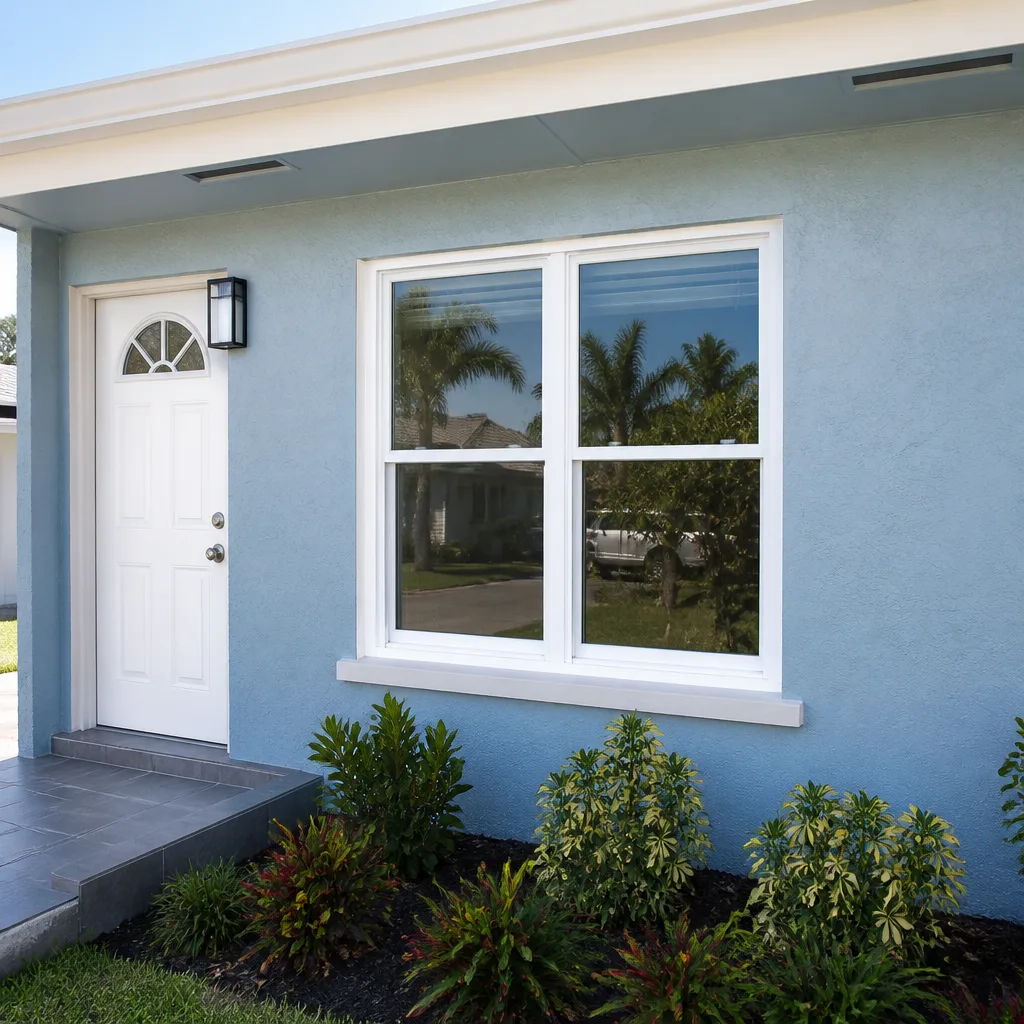 After
After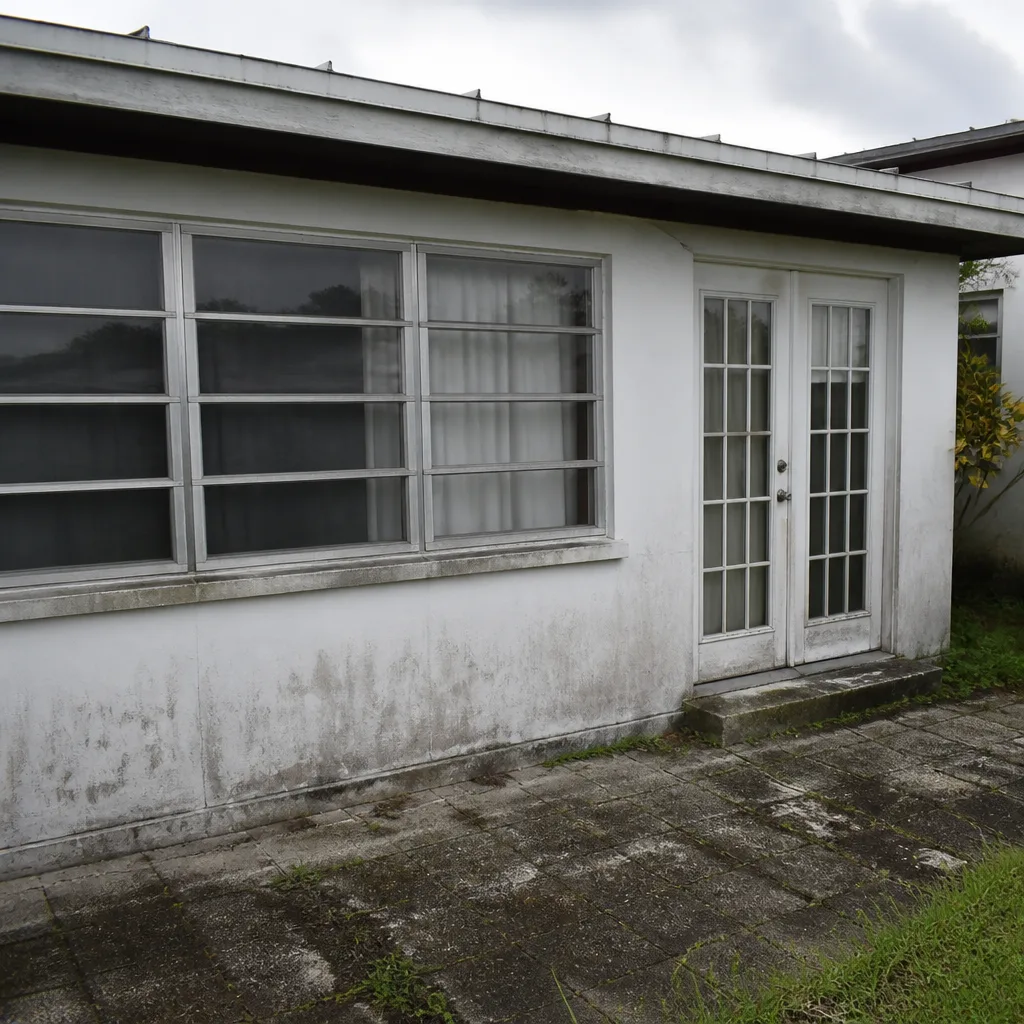 Before
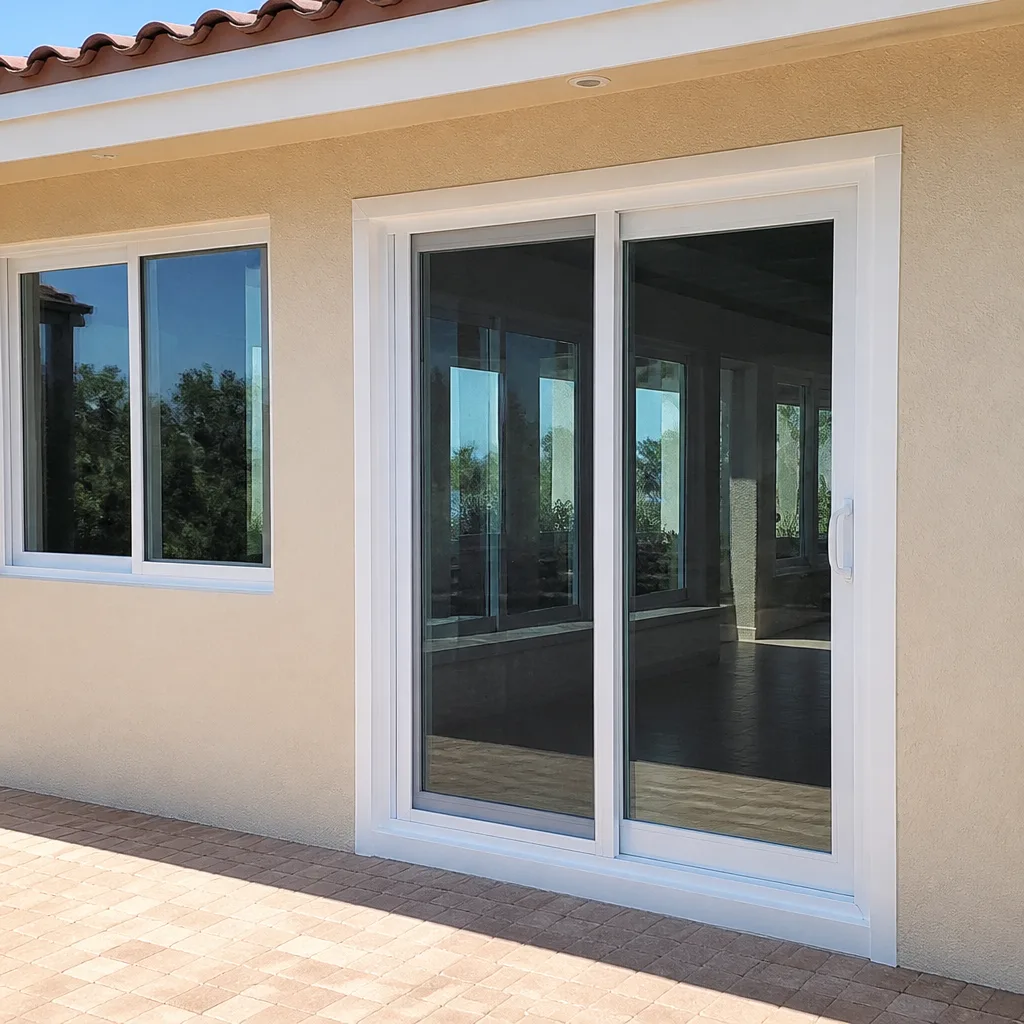 After
After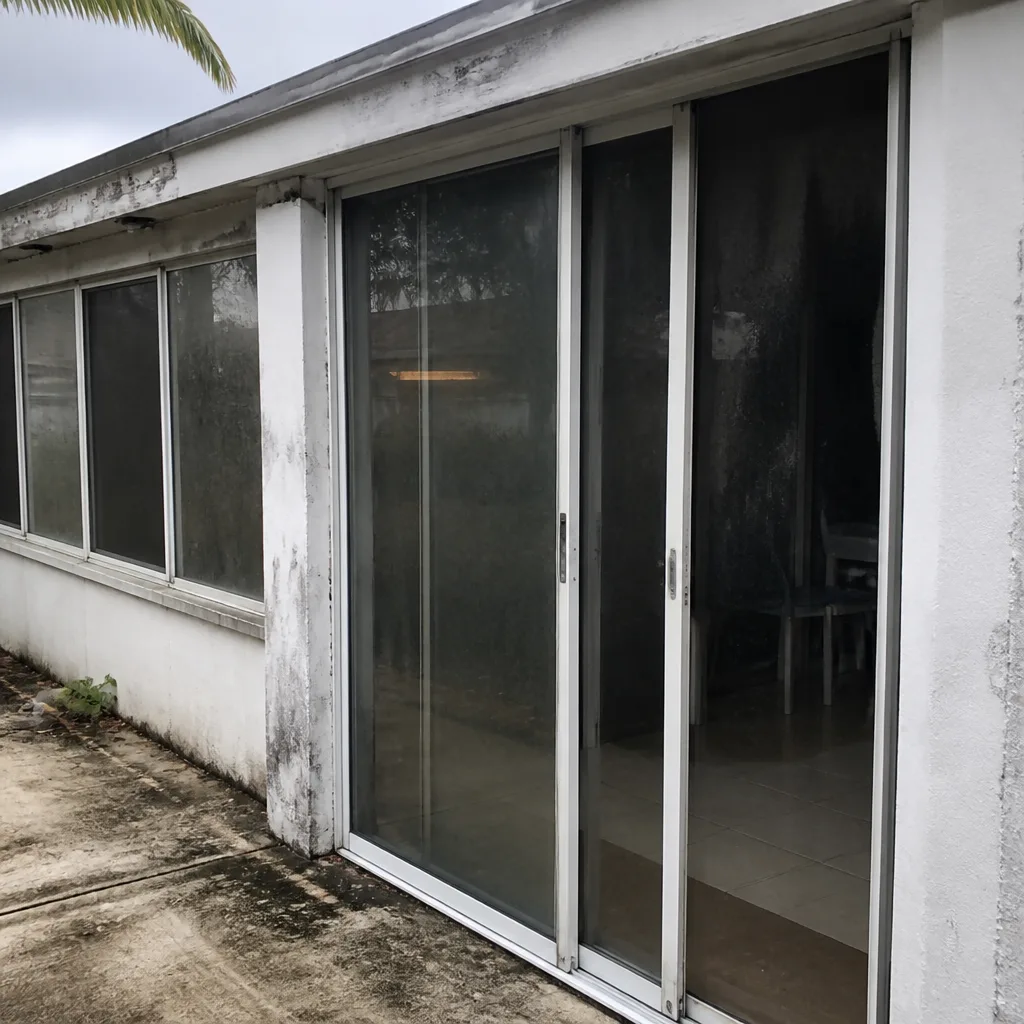 Before
 After
AfterImpact vs Non Impact Windows in Riviera Beach: Choose Impact Unless the Building Physically Won’t Allow It
For most Riviera Beach homes, impact windows are the right call, and it’s not close. They cost more upfront, but they eliminate shutter labor, qualify for insurance discounts, and hold up to what this coastline actually throws at them. If you’re on the mainland in a 1950s concrete block house with original jalousies, or in a Singer Island condo facing an HOA deadline, the math rarely favors non-impact glass anymore. Call (786) 829-6722 and we’ll walk you through the honest numbers for your building specifically.
What Actually Happens When a Storm Hits Non-Impact Glass
We’ve replaced enough wind-damaged windows in Riviera Beach to tell you exactly how it plays out. A non-impact window is just an ordinary piece of glass in a frame. When debris hits it, the glass shatters, wind pressure gets inside, and the roof starts fighting the walls. If the window holds, you’re still relying on shutters or plywood you have to install while the storm is days out. Most homeowners in Palm Beach County don’t have their shutters up in time, or they’ve got corroded tracks that won’t accept the panels anymore.
Impact windows change that entire scenario. The glass is a laminated sandwich, two panes bonded to a polymer interlayer. A two-by-four at 34 miles per hour will crack the outer layer and leave the inner layer holding. No opening. No pressure change inside the house. No race to hang shutters. That’s the practical difference, and it’s the reason Florida building code has been pushing this direction for decades.
Cost Comparison: Impact vs Non Impact in Riviera Beach
Here’s what we typically see on bids across Riviera Beach and Singer Island. These are installed ranges for standard residential openings, not list prices:
| Window Type | Installed Range (Per Opening) | What You’re Actually Paying For |
|---|---|---|
| Non-impact, single-hung vinyl | $350-$600 | Basic storm protection only; shutters required |
| Impact, single-hung vinyl | $650-$1,100 | Laminated glass, code compliance, no shutters needed |
| Impact, aluminum (required for most high-rises) | $900-$1,800 | Commercial-grade frame, salt-spray resistance, condo compliance |
| Impact sliding glass door | $2,500-$6,000 | Multipanel tracks, heavier frame, high-rise rigging if applicable |
Those first two rows represent the decision most mainland Riviera Beach homeowners are making. The premium for impact runs roughly $300 to $500 per opening. Against that, you offset the cost of shutters you’ll never buy or maintain, plus insurance reductions that frequently run into the hundreds per year in Palm Beach County. The payoff window is usually three to six years before you factor in the labor of dealing with shutters every season.
Where Non-Impact Still Makes Sense
We’re impact installers by trade, but we’ll tell you straight when non-impact is the reasonable choice. Interior windows, garage windows that aren’t part of the building envelope, or windows on fully enclosed interior courtyards sometimes don’t require impact rating. And on older Singer Island buildings approaching full recertification, an engineer may specify replacement on only the openings that face prevailing wind while allowing non-impact on protected elevations. That’s a code decision, not a preference call, and we’ll always defer to what the engineer-of-record signs off on.
There’s also the matter of what your HOA or condo board will approve. Some associations on Singer Island mandate a single product line across all units to maintain uniformity from the street. If that spec calls for PGT or CGI impact aluminum, you’re not choosing non-impact regardless of budget. We’re an authorized installer for those lines and more than a dozen others, so the brand requirement usually isn’t a problem.
What Dale Kessler Sees in the Field: Riviera Beach Specifics
Dale Kessler, our owner, grew up in the Blue Heron neighborhood of Riviera Beach, and he’s been setting glass in this town long enough to know what holds and what doesn’t. The mainland homes here, mostly concrete block from the 1950s through the 1970s, still carry original single-pane aluminum jalousies or horizontal sliders in a lot of cases. Those frames weren’t built for any kind of impact rating, and the sealant work from the original install is four decades past its service life. Replacing those with impact windows changes not just storm performance but the entire air-sealing profile of the house.
On Singer Island, the situation is different. Those 1960s through 1980s condo towers sit directly in the Atlantic’s salt spray. Aluminum frames corrode from the outside in, and we routinely pull sliding glass doors where the track has seized so completely the panel won’t move. The glass was fine; the frame was dead. In those buildings, you’re almost never comparing impact versus non-impact glass. You’re comparing one impact product line against another, and the conversation is about Florida Product Approval numbers and what the building’s engineer will accept under the SB 4-D recertification process.
If it is not right on paper, it will not be right on the wall. That’s how we approach every bid on these buildings, because the paperwork trail matters as much as the install when the inspector arrives.
Common Local Scenarios We Deal With
- Mainland 1950s CBS home with jalousie windows: The old frames won’t accept impact glass. You’re doing full frame replacement, and yes, that’s the correct call. We’ll quote impact vinyl or aluminum side by side so you see the actual price difference before committing.
- Singer Island condo under SB 4-D recertification: The association sets the product spec. We coordinate with the board and the engineer, pull the right FPA approval numbers, and get the work done in the building’s window schedule. This is not a job for a handyman.
- Oceanfront unit with corroded slider tracks: The door needs full replacement, not track repair. Salt spray has eaten the frame. We’ll spec a properly rated impact slider and handle the high-rise rigging, which most mainland installers won’t touch.
- Homeowner who already bought non-impact windows: We’ll install them correctly if they’re code-compliant for the opening. But we’ll also be honest that in Riviera Beach’s wind zone, you’ve bought a product that still requires shutters, and we’ll quote the upgrade cost so you can make an informed decision next time.
Insurance and Code Reality in Palm Beach County
Riviera Beach sits in Palm Beach County’s highest coastal wind-load design zone, especially on Singer Island, where the Atlantic is right there. Current Florida building code requires impact-rated products for any new window or door installation in this zone. The only exception is when the building’s existing condition or an engineer’s report creates a specific allowance, and those are narrowing.
Insurance is where the non-impact option really fades. Most carriers in Florida now require either impact windows or documented shutter compliance before they’ll write or renew a windstorm policy. If you’ve got shutters, you can technically carry non-impact windows. But half the shutter systems on houses we visit have corroded hardware, missing anchors, or panels that don’t fit one opening anymore. When the carrier asks for proof of shutter compliance and you can’t provide it, you’re either installing impact windows or folding.
Why TruePane Windows and Doors for This Decision
We founded this company in 2008 on a simple rule: if the pane is not true, the job is not done. That means we measure every opening twice, quote impact and non-impact options side by side on paper, and register both manufacturer warranty layers in writing before the truck leaves your driveway. Our Done Right Promise means if something isn’t right, we come back and fix it. No paperwork fight, no fine print.
We’re an authorized installer for PGT, CGI, and ES Windows, among others, which matters because not every impact product line is approved for every building. When your HOA on Singer Island specifies CGI, you want an installer who pulls that line through distribution regularly, not someone figuring it out on your opening.
A live person answers our phone 24 hours a day, seven days a week. That’s not a call center, and it isn’t a callback form. It’s someone who can actually talk about your window sizes, your building’s code status, and whether the product you’re considering will pass inspection. If you’re weighing impact windows and doors in Riviera Beach, we’ll give you the honest comparison before you spend anything.
We’ve been serving these communities since 2008 through the craft tradition Dale carries, and we plan to be here in thirty more. That matters when you’re deciding between a product that’ll last five years and one that’ll still be holding in 2050. If you need a broader look at what we do, start at our home page and work from there.
FAQs
Expect to pay roughly $300 to $500 more per opening for impact windows versus non-impact in mainland Riviera Beach, with aluminum impact products on Singer Island running substantially higher due to product requirements and high-rise installation logistics. That premium offsets the cost of shutters you won’t need, and insurance credits in Palm Beach County typically recover the difference within three to six years. Call (786) 829-6722 for a written side-by-side quote on your specific openings.
Impact windows are generally still worth it if your shutters are aging, corroded, or require manual installation you can’t physically manage anymore, which we see regularly in Riviera Beach homes where track systems have seized from salt exposure. Working shutters do satisfy code, but they don’t stop debris impact, and they don’t improve your home’s daily insulation or noise reduction the way impact glass does. We’ll assess your shutter hardware during the estimate and give you an honest breakdown before you commit.
Almost certainly not, because Singer Island condominium buildings sit in Palm Beach County’s highest wind-load zone and most associations now mandate impact-rated products under current building code and SB 4-D recertification requirements. The product line will typically be specified by the association’s engineer, and we’ll pull the correct Florida Product Approval numbers to match that spec. If your board allows something other than impact, we’ll tell you that too, but we don’t see it happen on oceanfront structures.
Yes, impact windows typically trigger a windstorm mitigation discount on Florida homeowners insurance, and in Palm Beach County that reduction frequently recovers the upgrade premium within three to six years depending on your carrier and policy limits. The exact credit varies by insurer, so we recommend requesting a re-rate from your agent after installation is complete and you receive your product approval documentation from us. We register both warranty layers in writing on every job, which simplifies the paper trail insurers want.
If you’d rather have someone look at your actual openings and tell you straight whether impact or non-impact makes sense, call TruePane Windows & Doors at (786) 829-6722. We’ll measure, quote both options on paper where code allows, and let you decide with real numbers in front of you.
Written by Dale Kessler, Owner, TruePane Windows & Doors at TruePane Windows & Doors, serving Riviera Beach, FL.
Six Reasons Homeowners Choose TruePane Windows & Doors
Impact systems engineered to design pressures up to +/-100, matched to your wind zone - your openings hold when the storm arrives.
Low-E insulated impact glass from our manufacturer lines commonly cuts monthly cooling bills 20-30%.
Laminated impact glass shuts out up to 40% of outside noise - traffic, neighbors, weather.
Monitoring services run $30-90 a month. Laminated impact glass resists forced entry around the clock, with no subscription.
Florida homeowners average around 25% savings on the windstorm portion of their policy after protecting every opening - some homes qualify for more.
A full impact package upgrades curb appeal, buyer confidence and appraised value in one project.