
Free in-home measure and quote - PGT, CGI and CWS impact lines compared on your actual openings, style by style
Sliding glass doors
Impact garage doorsPGTCGI
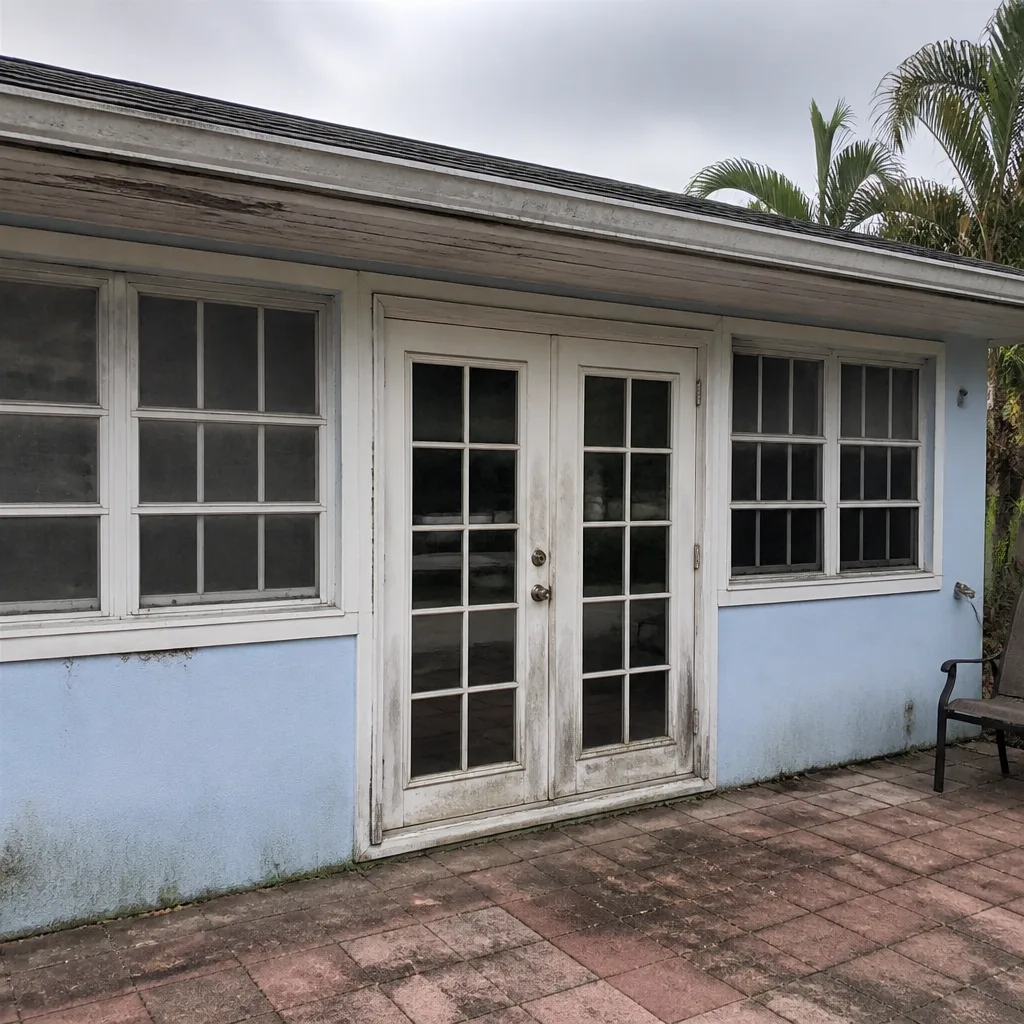 Before
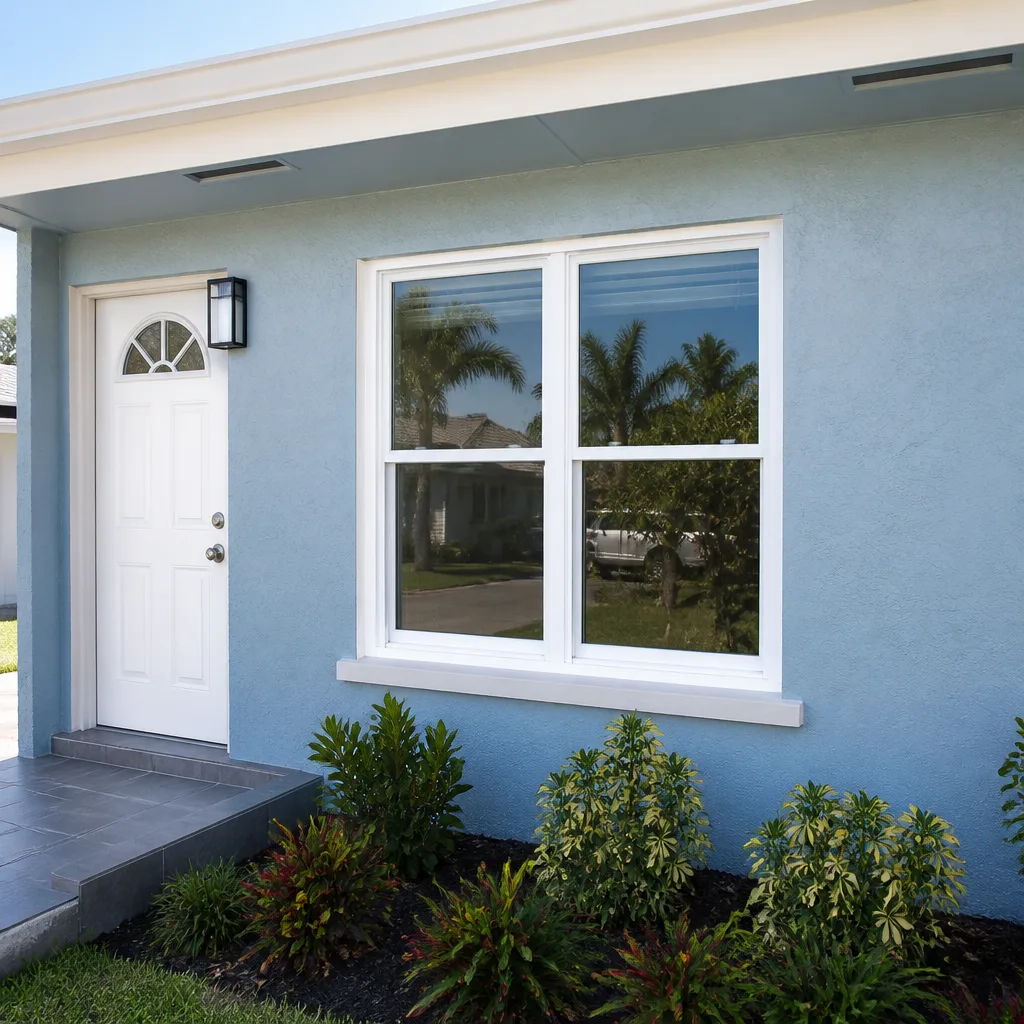 After
After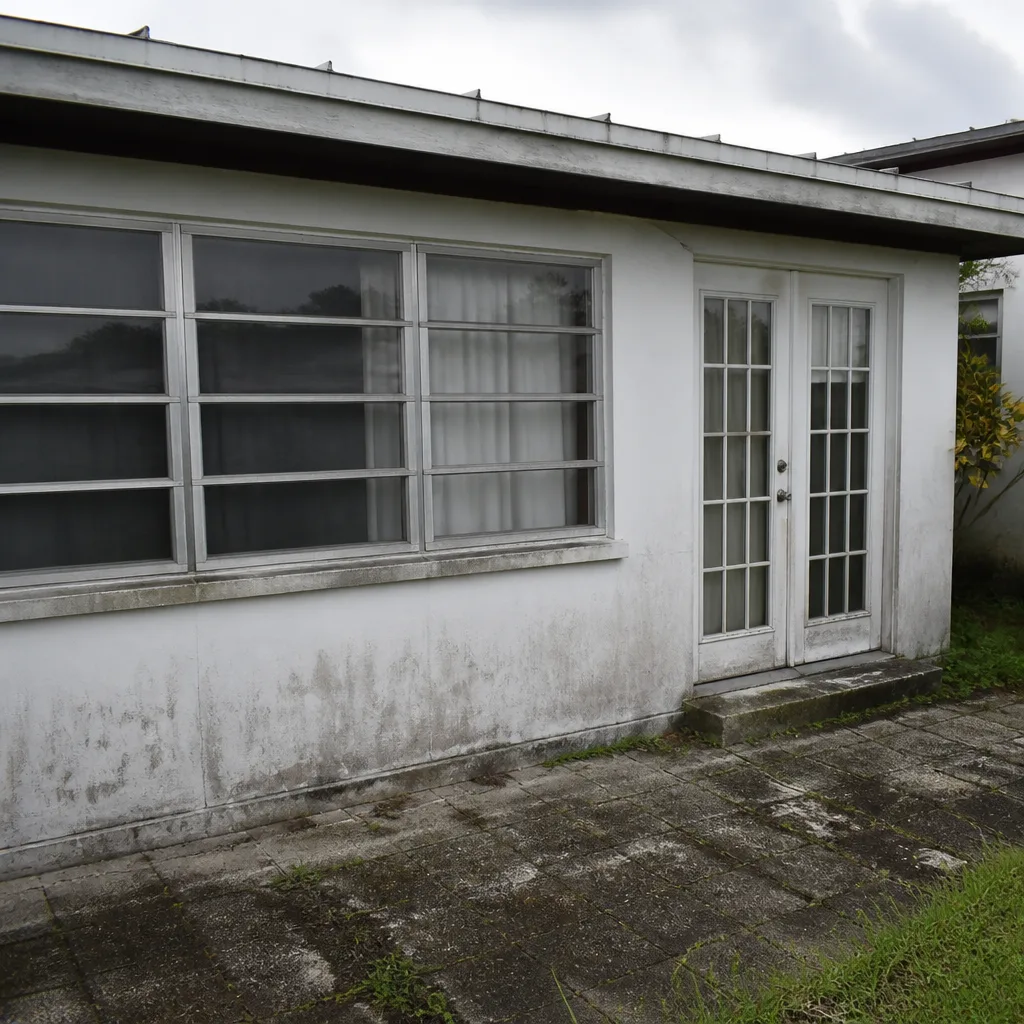 Before
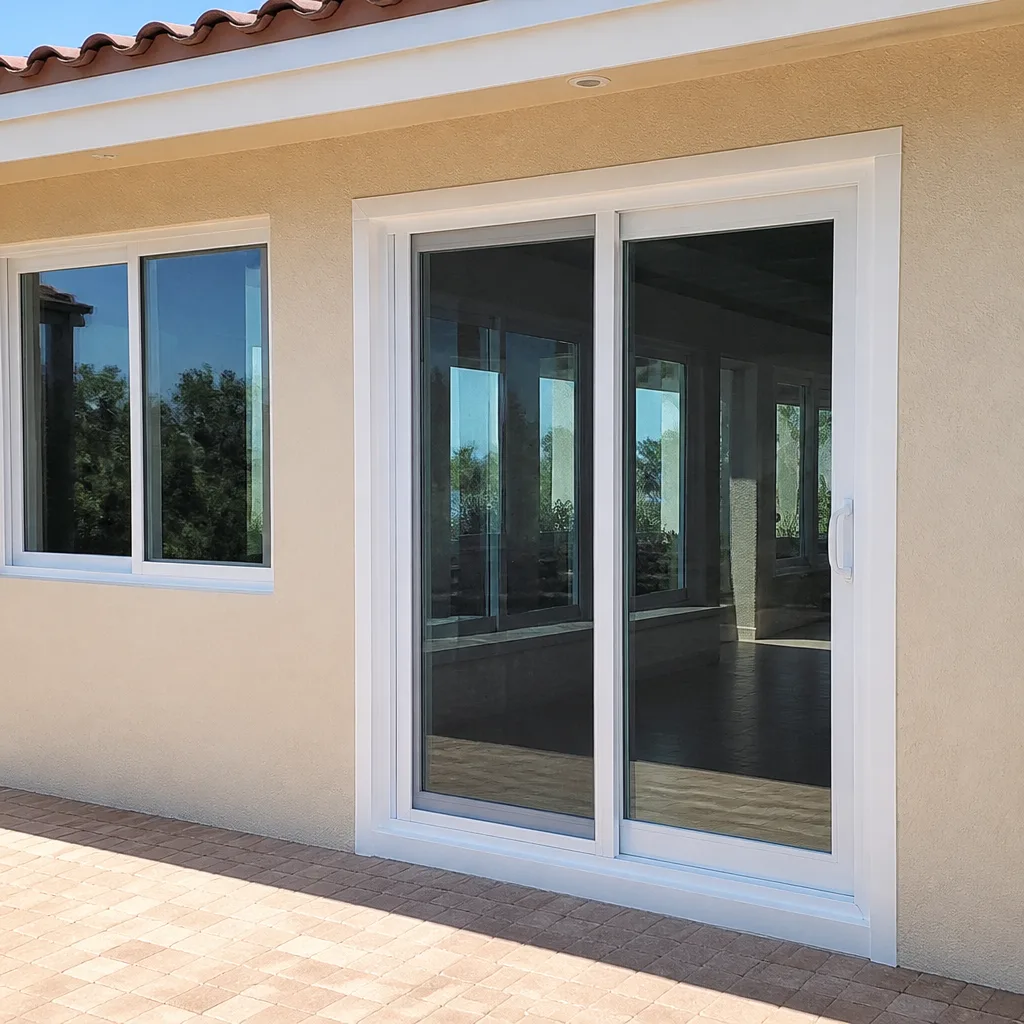 After
After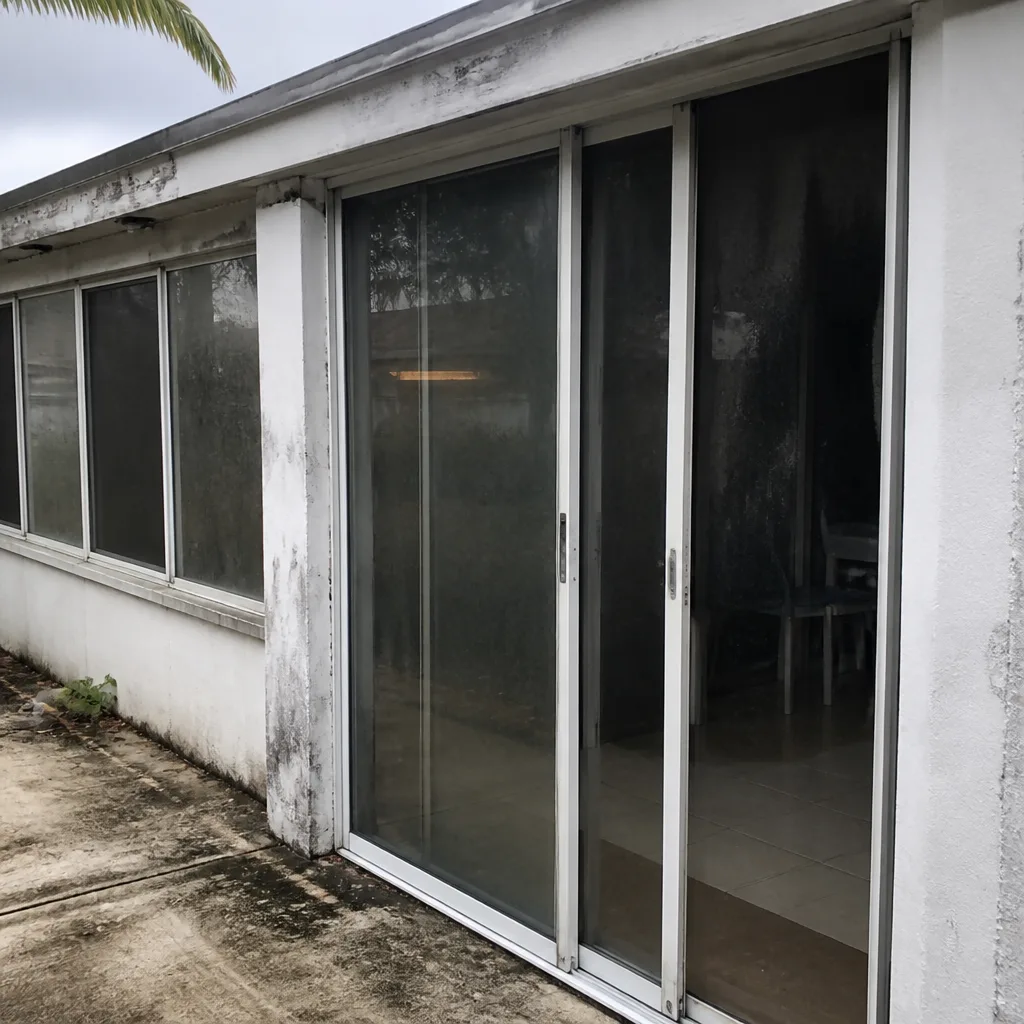 Before
 After
AfterYes, New Windows Save Energy in Riviera Beach - Here’s the Real Math
Yes, new windows save energy, and in Riviera Beach the savings are larger than most national averages suggest. A typical 1950s-1970s CBS home here with original single-pane aluminum frames will cut its annual cooling load by 15-25% after a full window replacement, simply because the glass and the frame stop conducting the Atlantic heat into the house. The biggest line-item driver is not the glass coating - it’s the buried thermal break. Original aluminum frames carry heat straight through the wall. New vinyl or thermally broken aluminum frames break that path, and that’s where the real energy reduction comes from. Call (786) 829-6722 if you want us to look at what your specific windows are doing right now.
Key takeaways:
- Single-pane aluminum windows common in mainland Riviera Beach lose 8-10 times more heat than modern double-pane Low-E units.
- Salt corrosion on Singer Island frames degrades seals faster than glass age alone - replacement is usually the better financial call here versus reglazing.
- Local building code requires impact-rated products in coastal wind-load zones, which also happen to carry the best energy performance ratings.
- Real payback in Riviera Beach runs 6-10 years when you factor in FPL cooling savings, not the 10-20 year figures quoted for northern climates.
Why This Question Matters Differently in Riviera Beach Than in Orlando or Atlanta
Most energy-saving articles about windows treat the topic as if every house sits in a moderate climate with average humidity and mild wind. Riviera Beach is not that house. Mainland neighborhoods like Blue Heron and the streets off Old Dixie Highway are dominated by post-WWII concrete block homes built between the 1950s and 1970s, and many still have their original single-pane aluminum jalousie or horizontal-sliding windows. Those windows were installed before Florida’s modern impact-resistance code existed, and they were never designed to handle the combination of 90-degree heat, 80% humidity, and salt air that defines Palm Beach County’s coastal edge.
Then you have Singer Island. The condominium corridor there - towers built in the 1960s through 1980s - faces a different problem. The salt spray is relentless, and it attacks the frame before the glass. We routinely pull out sliding glass doors from those buildings where the aluminum track is so corroded the panel barely moves. The glass itself might still be intact. The thermal performance, however, is gone. Air leaks around the corroded track and degraded weatherstripping, and the unit becomes a permanent humidity source. In a high-rise concrete building, that moisture does not dry out the way it does in a single-family house with cross-ventilation. The building’s own cooling system ends up fighting the window’s failures all year long.
The One Number That Actually Tells You If Your Windows Are Costing You Money
Look at the U-factor, not the marketing sticker. U-factor measures heat transfer - lower is better. A 1970s single-pane aluminum window in Riviera Beach typically carries a U-factor around 1.0 to 1.2. A modern double-pane Low-E impact window with an insulated frame will land between 0.30 and 0.55. That means the new window is moving roughly one-third the heat of the old one. For a house with 15 or 20 windows facing the afternoon sun, the difference shows up on the FPL bill every month from May through October.
Here is a quick way to estimate what you’re losing, based on what we typically see in Riviera Beach:
- $220-$450 per year in added cooling cost for a 1,800-square-foot CBS home with original single-pane windows and full afternoon western exposure.
- $320-$600 per year for a Singer Island condo unit with one or two failed sliding glass door seals and original aluminum frames from the 1970s-80s.
- $500-$900 per year for larger waterfront homes with east-facing glass and any gap between the frame and the concrete block (a common issue when original caulking has turned to chalk).
These are not national averages. They reflect the cooling season we actually live with here - roughly eight months of the year where the AC runs daily - and the fact that Riviera Beach sits in Palm Beach County’s highest coastal wind-load design zone. Impact ratings are mandatory for all window and door work on the island and much of the mainland, but the energy performance rides along with it. You are not choosing between impact protection and energy savings. In this market, the same window does both.
Which Window Upgrades Actually Move the Needle - and Which Don’t
Some changes save more energy than others. Knowing the difference keeps you from spending money on a feature that sounds good on paper but does nothing on your electric bill.
What genuinely saves energy in Riviera Beach:
- Replacing the entire frame, not just the glass. The thermal break in the new frame is where the savings come from. Reglazing an old aluminum frame is like putting new glass in a heat pipe.
- Low-E coatings tuned for cooling climates. In South Florida, the coating needs to reflect solar heat while still allowing visible light. A northern-climate Low-E will trap heat you do not want.
- Proper flashing and air sealing around the rough opening. A window installed out of square, or with gaps behind the trim, leaks air no matter what the label says. This is the part that gets skipped most often.
- Impact-rated laminated glass. The interlayer does more than stop windborne debris. It also cuts UV transmission and reduces solar heat gain. A PGT or CGI impact unit will carry both the Florida Product Approval number and a strong energy rating.
What does not save much energy:
- Window film applied to single-pane glass. It reduces glare and some UV, but the frame is still conducting heat, and the glass still has no insulating cavity. You will feel cooler sitting next to it, but the AC is still working just as hard.
- New weatherstripping without checking the frame. If the aluminum has corroded and the track is bowed, weatherstripping will not seal against a warped surface. You are buying a few months of reduced draft, not a real fix.
- Any window that does not carry a Florida Product Approval for the wind-load zone the building sits in. In Riviera Beach and especially on Singer Island, the inspector will catch it, and you will end up paying twice - once for the wrong window, once for the right one. The post-Surfside milestone inspection law (SB 4-D) has made enforcement stricter, not looser.
That last point matters more now than it did five years ago. On Singer Island, original 1970s and 1980s sliding glass doors arrive at replacement with aluminum tracks so corroded the panels have become fixed walls. Engineers sign off on replacements for those buildings under the new recertification mandates, and the paperwork starts with the Florida Product Approval rating on the window you choose. If it is not on the product’s FPA sheet, it does not get approved, and the building’s engineer will not sign off. We confirm the FPA rating before ordering anything. Window Installation done the right way in Riviera Beach starts with the paperwork, because the wall does not care how nice the brochure looks.
What Riviera Beach Homeowners Should Ask Before Buying
Not every energy-efficient window performs the same once it is installed. The glass can be excellent, and the frame can be thermally broken, and the whole thing can still underperform if the install is sloppy. Here is what to look for when you are comparing options:
Ask what the U-factor and SHGC actually are for the exact glass package being quoted. Solar Heat Gain Coefficient matters here. A window with a strong Low-E coating for our climate will carry an SHGC of 0.25 or lower. A northern-climate window will run higher, and your AC will notice.
Ask whether the frame material has a true thermal break. An aluminum frame without one will still feel warm to the touch in August. A vinyl frame or a thermally broken aluminum frame will not. In a salt environment like Singer Island, this choice also affects longevity - untreated aluminum corrodes, and the thermal performance degrades along with the metal.
Ask how the installer seals the rough opening. This is not a question most homeowners think to ask, and it is the number one difference between a window that performs and one that leaks. If the answer is vague, you have your answer. Dale Kessler has spent the better part of two decades measuring, setting, and weatherstripping windows and doors across Palm Beach County, and he still keeps a folding rule in his truck instead of a tape measure. His rule: if it is not right on paper, it will not be right on the wall.
Ask whether both manufacturer warranty layers get registered in writing. This is a TruePane standard - The Keystone Standard, as we call it. The manufacturer’s product warranty and the manufacturer’s glass seal warranty both get registered, with durations stated, before the truck leaves the driveway. If a seal fails later, the paperwork is already in place. No calls to an 800 number with a vague “you’ll need to check with your dealer.”
What Does a Full Energy-Efficient Window Replacement Cost in Riviera Beach?
Prices vary by house, but here are the ranges we see most often for impact-rated, energy-efficient window packages in this market. These are installed prices per window, including removal of the old unit, correct flashing, and finish trim.
| Window Type | Typical Installed Cost Range (Riviera Beach) |
|---|---|
| Single-hung impact vinyl, Low-E double pane | $850-$1,350 per window |
| Horizontal slider impact vinyl, Low-E | $900-$1,500 per window |
| Casement or awning impact, thermally broken aluminum | $1,200-$1,900 per window |
| Sliding glass door replacement (6-ft, impact, Low-E) | $3,200-$5,800 per unit |
| Full-house retrofit on 1,800-sq-ft CBS home (15-20 windows) | $18,000-$38,000 total |
Those numbers reflect impact-rated products from manufacturers like CGI, PGT, and ES Windows, which we install regularly. They carry Florida Product Approval ratings, which matter for both code compliance and insurance discounts. The energy performance is not a premium add-on - it is built into the glass package these products already use for the coastal wind zone.
If you are weighing repair versus replacement, the decision changes once the frames are involved. Reglazing a window with a sound frame can cost $150-$400 per sash, but in Riviera Beach, the frames are rarely sound by year 25 or 30. Salt corrosion and decades of humidity take their toll. We are happy to quote both paths side by side - manufacturer lines on paper, so you see exactly what you are buying. That has been the TruePane way since Dale Kessler founded the company in 2008, on the principle that out-of-true installs and voided warranties were problems worth fixing permanently. Our home page goes into more detail on the full range of what we install and service across the area, and we publish a separate breakdown of Window Installation in Riviera Beach for readers who want the full process documented before they call.
FAQs
Most homeowners in Riviera Beach see a 15-25% reduction in cooling costs after replacing original single-pane aluminum windows with modern double-pane Low-E impact units, which translates to roughly $220-$600 per year depending on home size, exposure, and how many windows face the afternoon sun. The savings are concentrated in the May-October cooling season, when the AC runs daily. Call (786) 829-6722 for a more specific estimate for your home.
Repair is cheaper in the short term - $150-$400 per sash for reglazing - but in Riviera Beach’s salt air and humidity, 25-to-30-year-old aluminum frames are usually corroded enough that replacement is the better long-term financial decision. A repair addresses the glass, not the frame, and it is the frame that conducts heat and fails in this environment. We will quote both options side by side so you can decide with real numbers.
Yes, and in practice they already are. Riviera Beach - especially Singer Island and anything east of US-1 - falls in Palm Beach County’s highest coastal wind-load design zone, which mandates impact-rated products for all window and door work, and the impact-rated laminated glass from manufacturers like CGI and PGT carries low U-factor and SHGC ratings as standard. You are not choosing between storm protection and energy savings; the code and the physics point in the same direction. The same applies to the new condo recertification requirements on Singer Island, where engineer-of-record sign-off means the window’s Florida Product Approval rating has to be confirmed before ordering.
Stand next to a closed window on a hot afternoon and put your hand near the glass and the frame - if the air feels noticeably warmer within four or five inches, that window is transferring heat into the room, and your AC is working against it every sunny day. Also check for failing seals: fogging between the panes, condensation that does not wipe off, and frames that rattle or show white chalky oxidation. Any of these mean the window has lost its thermal integrity, and in Riviera Beach’s climate, that loss shows up on the electric bill within a year.
Have a Look at Your Windows Before You Decide
If you’d rather have it looked at, TruePane Windows & Doors offers a no-pressure assessment in Riviera Beach - we’ll measure, check the frames, and give you a straight answer on what’s really going on with your windows. Call (786) 829-6722. A live person answers. We’ll be there when we say.
Written by Dale Kessler, Owner, TruePane Windows & Doors at TruePane Windows & Doors, serving Riviera Beach, FL.
Six Reasons Homeowners Choose TruePane Windows & Doors
Impact systems engineered to design pressures up to +/-100, matched to your wind zone - your openings hold when the storm arrives.
Low-E insulated impact glass from our manufacturer lines commonly cuts monthly cooling bills 20-30%.
Laminated impact glass shuts out up to 40% of outside noise - traffic, neighbors, weather.
Monitoring services run $30-90 a month. Laminated impact glass resists forced entry around the clock, with no subscription.
Florida homeowners average around 25% savings on the windstorm portion of their policy after protecting every opening - some homes qualify for more.
A full impact package upgrades curb appeal, buyer confidence and appraised value in one project.