
Free in-home measure and quote - PGT, CGI and CWS impact lines compared on your actual openings, style by style
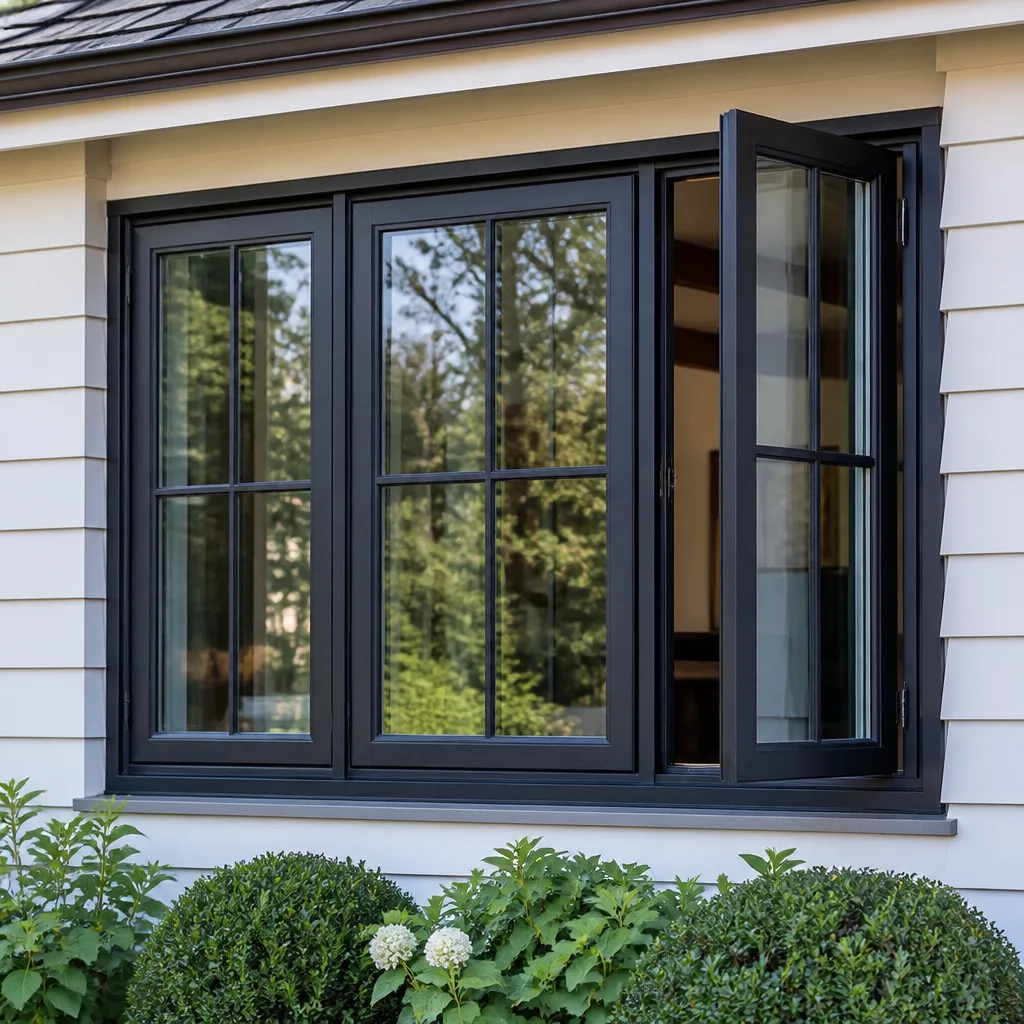
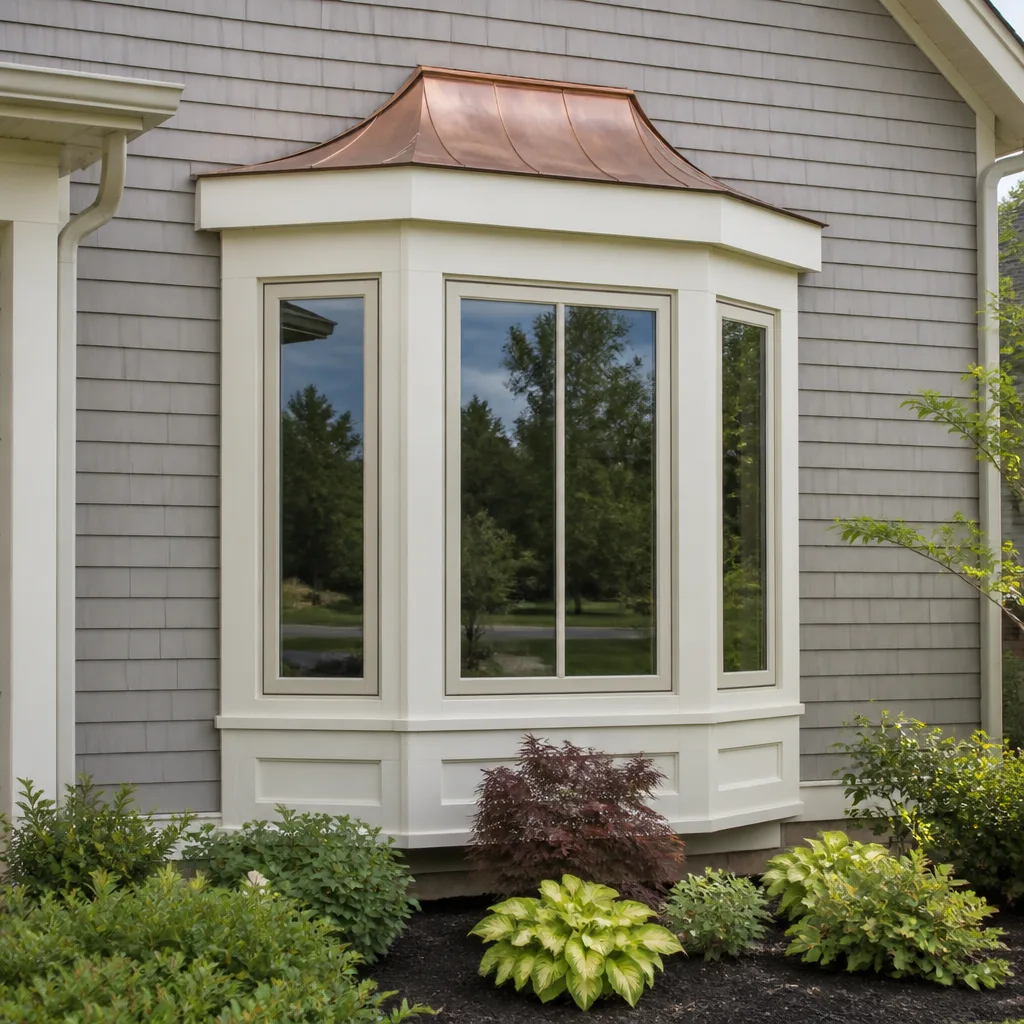
Sliding glass doors
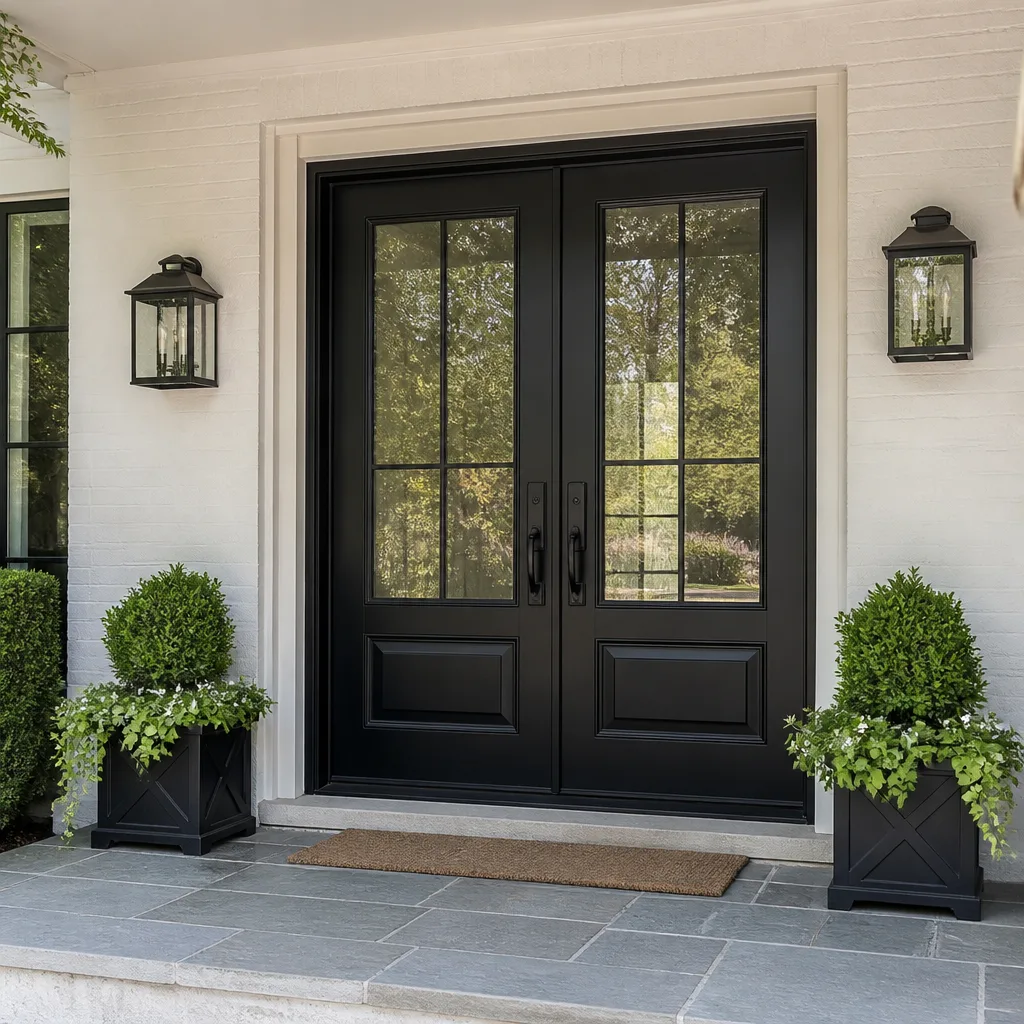
Impact garage doorsPGTCGI
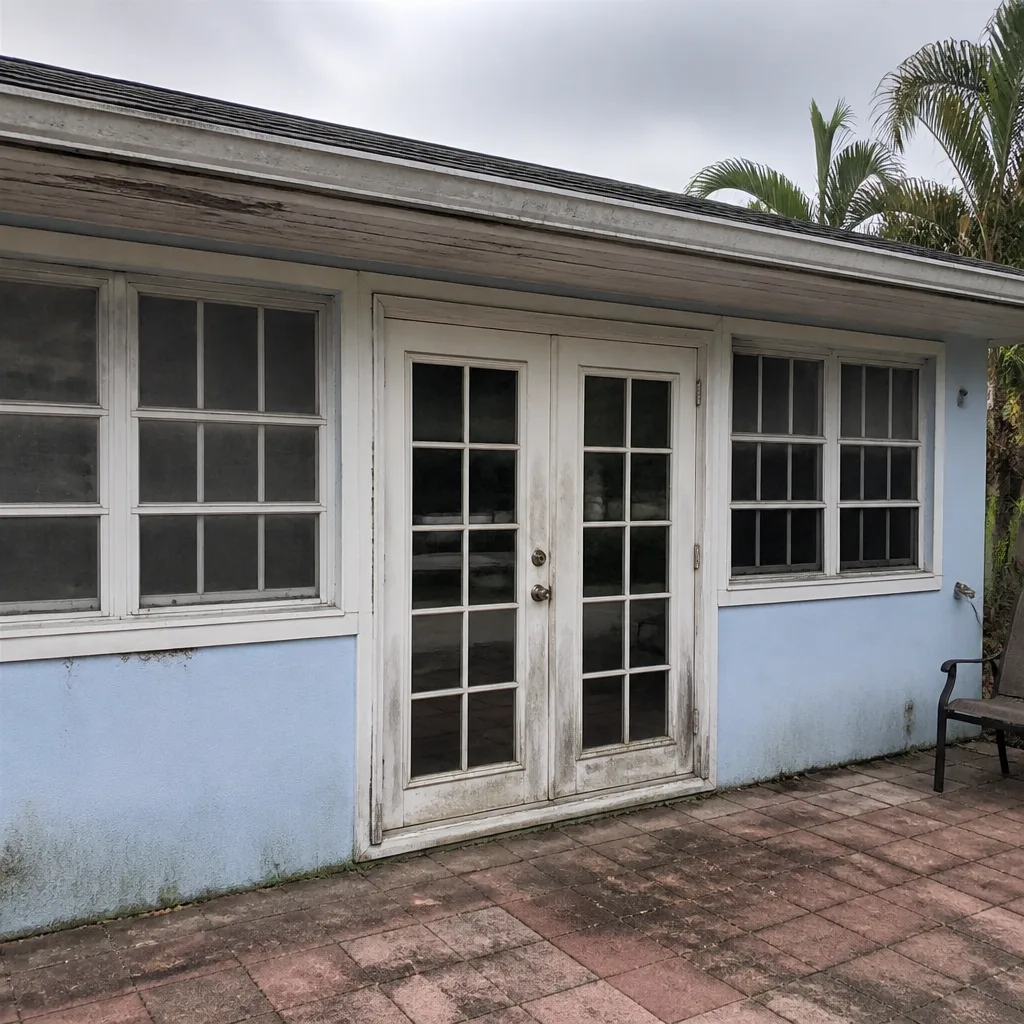 Before
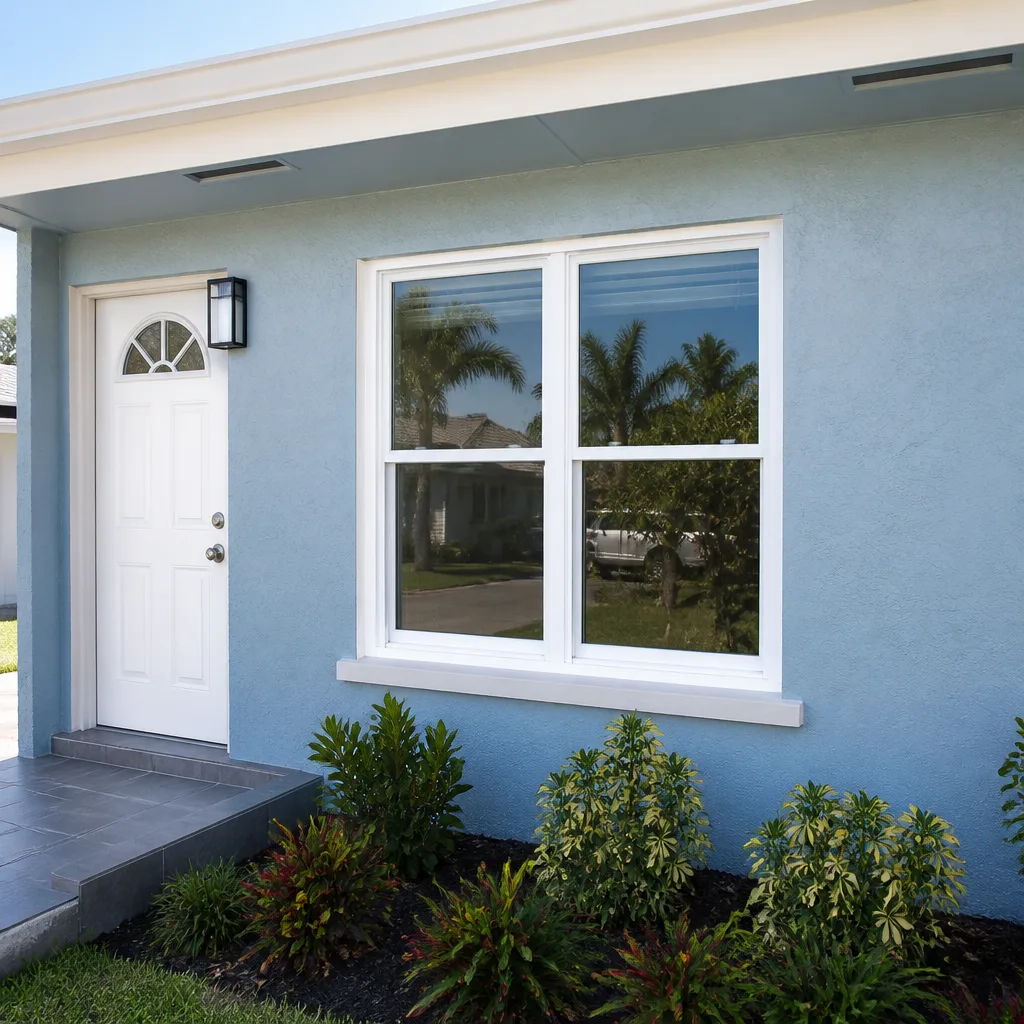 After
After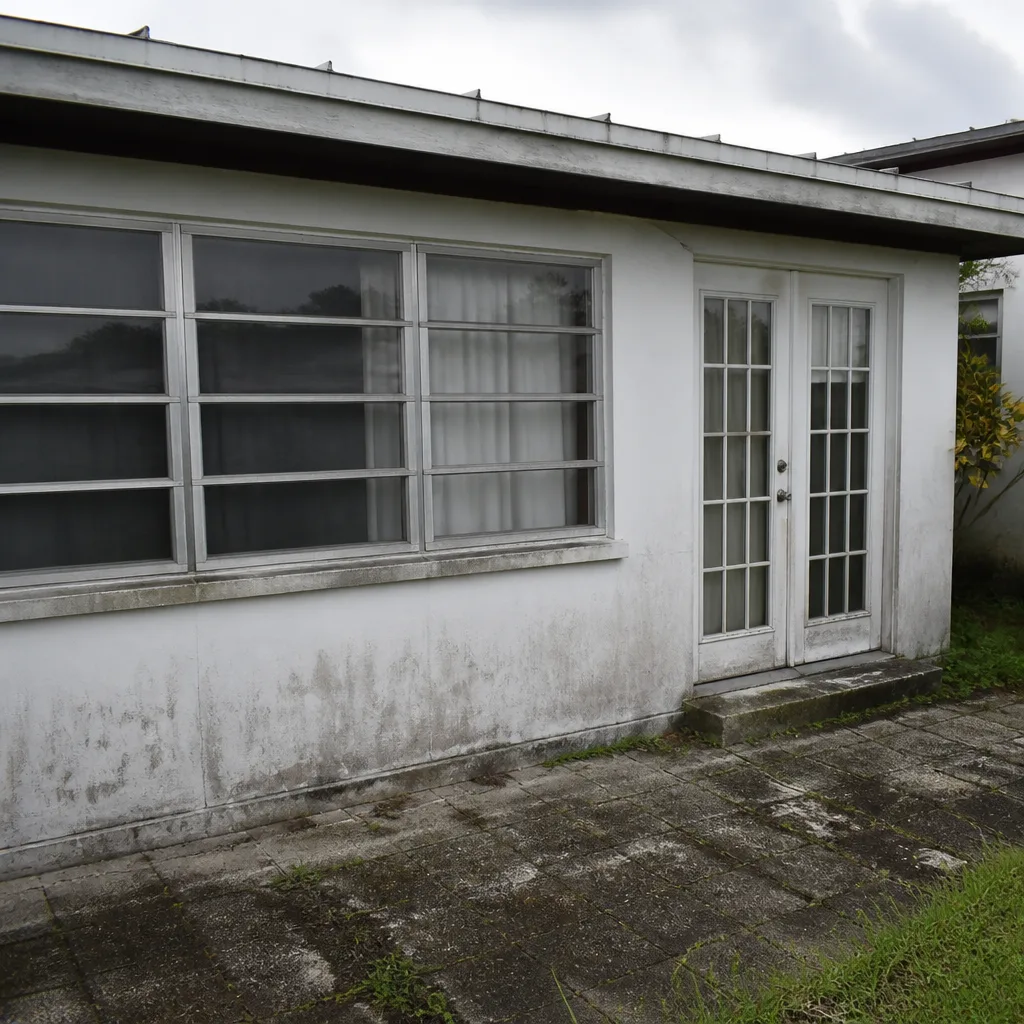 Before
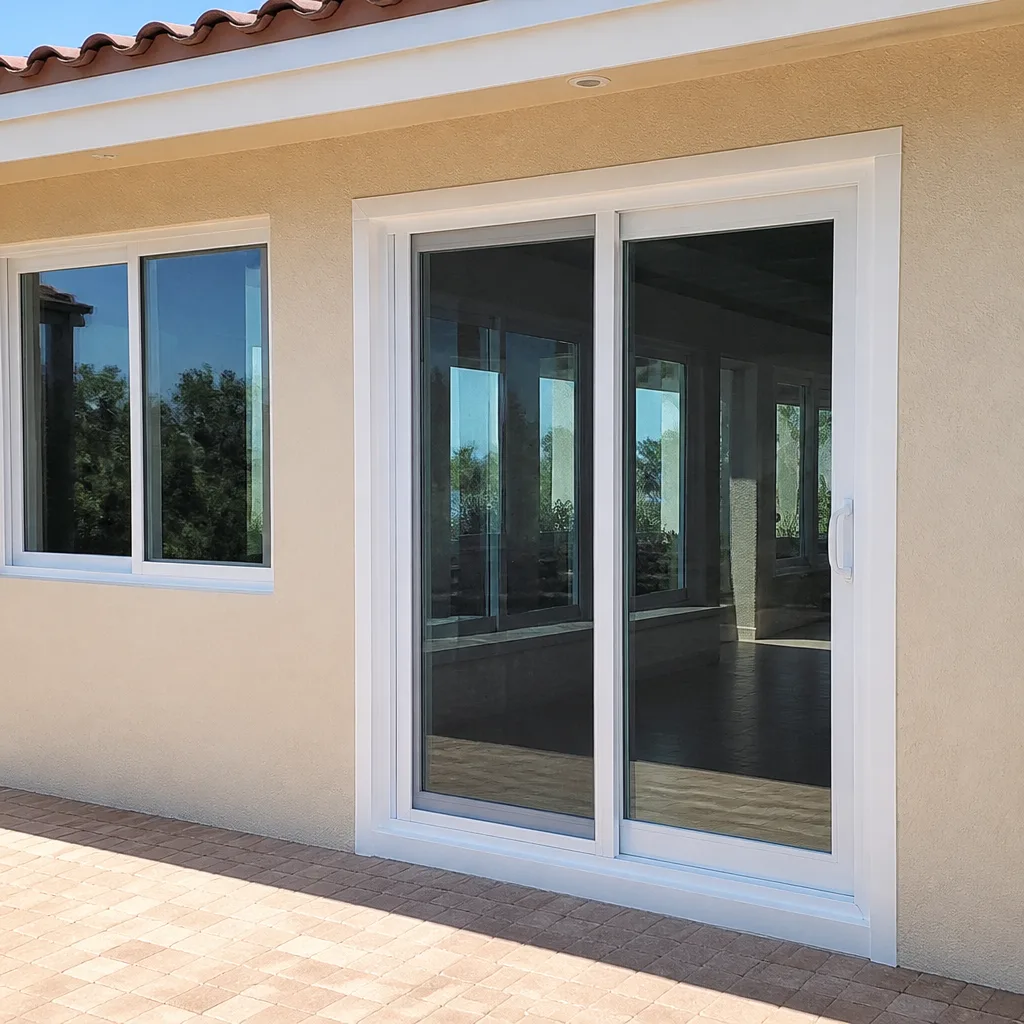 After
After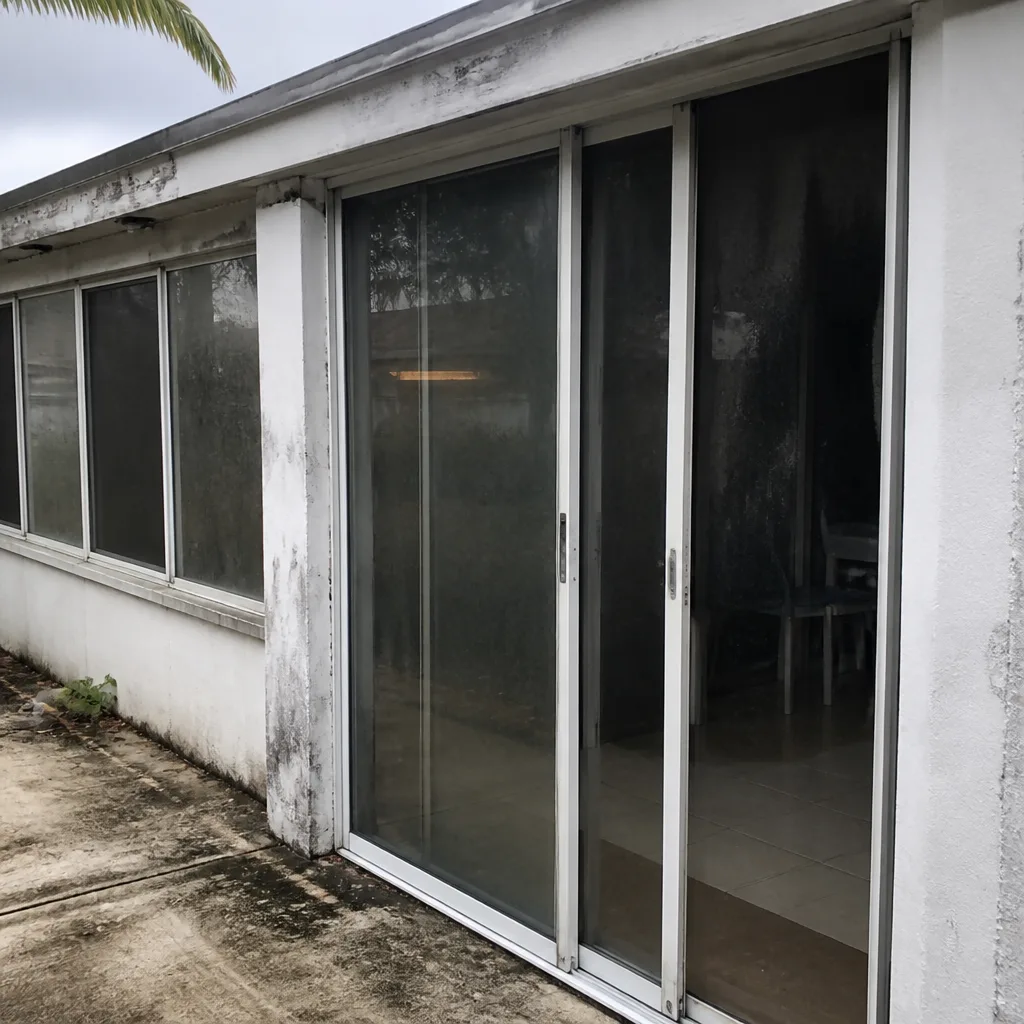 Before
 After
AfterYes, Energy-Efficient Windows Save Money in Riviera Beach - Here’s the Real Math
Yes, energy-efficient windows save money, and in Riviera Beach the savings come faster than in most of the country because your air conditioner runs nearly year-round against direct coastal heat. A typical 1,800-square-foot concrete block home here can expect $25 to $45 per month in cooling savings after replacing original single-pane aluminum windows with double-pane Low-E units. The payback period in Palm Beach County usually lands between 7 and 12 years on the windows alone, sooner if you’re replacing windows that leak air badly or face unshaded western exposure. Call (786) 829-6722 if you want someone to measure before you commit to numbers.
The Savings Logic: What Actually Moves Your Bill in Riviera Beach
The physics are straightforward. A window is a hole in your wall that lets heat in and conditioned air out. The better that hole resists heat transfer, the less your AC works. In Riviera Beach, where July and August run hot into the evening and humidity never quits, a window’s performance becomes a daily cost issue, not an occasional one.
Here is what actually creates the savings:
- Low-E coatings reflect infrared heat away from the glass. In direct Florida sun, that single layer cuts heat gain through the window by roughly 30 to 50 percent compared to clear single-pane glass.
- Double-pane construction with inert gas fill (argon or krypton) slows conductive heat transfer. The gap between panes acts as insulation, and the gas fill works better than plain air.
- Insulated frames matter more here than homeowners expect. Aluminum frames without a thermal break conduct heat directly into the wall opening. On mainland Riviera Beach homes from the 1950s through 1970s, the frame is often the weakest point, not the glass.
- Tighter weatherstripping stops the air leaks that let humid outside air pour in around the sash. Salt air eats old weatherstripping faster here too, so the leak gets worse over time without anyone noticing.
The honest caveat: energy-efficient windows are a savings investment, not a get-rich scheme. We have never told a homeowner to replace windows purely on payback math. If your frames are structurally sound and your seals are intact, you may be better served by spending on Energy-Efficient Windows only when replacement is already due. The savings math works best when you’re replacing failed windows anyway.
What Original Riviera Beach Windows Look Like - and Why They’re Costing You
Most mainland Riviera Beach housing stock was built as concrete block construction between the 1950s and 1970s. The windows that went into those homes were single-pane aluminum jalousie or horizontal sliders. They were never designed for energy performance. They were designed to be cheap and to open wide for cross-breeze in the days before central air was standard.
Fifty or sixty years later, those windows are doing three things at once. The aluminum frames have oxidized in the salt air, which means the sashes no longer seat flush against the weatherstripping. The original seals, if they were ever tight, have hardened and cracked. And the jalousie slats, which were never airtight even when new, now rattle with gaps wide enough to feel with your hand on a windy day.
That combination means your AC is fighting a window system that leaks conditioned air and lets humid outdoor air in around the clock. Replacing those windows with modern double-pane Low-E units changes the load on your HVAC immediately. We have measured the difference on job sites in Riviera Beach, and the rooms that always felt warm before the replacement are the same rooms that hold temperature afterward.
What This Costs vs. What It Returns in Riviera Beach
Pricing depends on window size, frame material, and whether the opening needs any structural work. For an average 30-inch by 54-inch window opening on a mainland Riviera Beach home, here are realistic installed ranges:
| Window Type | Installed Price Range (per window) | Notes for Riviera Beach |
|---|---|---|
| Vinyl double-pane Low-E | $450 - $800 | Best value for most mainland homes; holds up well in salt air |
| Aluminum double-pane Low-E (thermally broken) | $600 - $1,000 | Matches original CBS home look; thermal break is essential |
| Impact double-pane Low-E (PGT or CGI) | $900 - $1,600 | Required for much of Riviera Beach’s wind zone; adds insurance savings |
These are installed numbers, including removal of the old window, flashing, sealing, and interior trim. If the opening is rotted or the rough opening needs repair, that adds cost and is quoted separately before work starts. We quote manufacturer lines side by side on paper so you see exactly what you’re paying for, and we register both warranty layers in writing before the truck leaves the driveway. That is The Keystone Standard, and it applies whether you’re replacing one window or thirty.
On the return side, energy savings are only one line item. Riviera Beach homes with impact-rated energy-efficient windows also see lower windstorm insurance premiums, which in a coastal wind-load zone can be substantial. Between the AC savings and the insurance adjustment, the real payback window shortens by several years compared to the energy math alone.
Singer Island: Where the Savings Conversation Changes
Singer Island is municipally part of Riviera Beach, and it has its own window economics. The corridor of oceanfront condo towers built between the 1960s and 1980s now faces Florida’s post-Surfside milestone inspection and recertification laws. That means condo associations are under legal pressure to replace aging window and sliding glass door systems, and energy performance is only one part of that conversation.
In those high-rise buildings, the original sliding doors and windows have spent decades in direct salt spray. We routinely see aluminum tracks so corroded the panels will not move at all. The frame has fused into a fixed wall, and the only fix is full replacement. When that work happens, energy-efficient glass goes in by default, because no one is manufacturing single-pane units for high-rise coastal applications anymore. The savings are real, but they arrive bundled with the structural necessity of the replacement itself.
What homeowners in those buildings need to know: replacement windows and doors in that environment must carry Florida Product Approval (FPA) impact ratings, and the project may require an engineer-of-record sign-off under the recertification rules. That adds lead time and coordination. We have worked through enough of those projects to know that the paper trail matters as much as the glass. Dale Kessler, who runs TruePane Windows & Doors, grew up in the Blue Heron neighborhood of Riviera Beach and got his start in the trade at Palm Beach State College, where an instructor told him that a bad seal is just a slow leak waiting for the right storm. On Singer Island, that advice applies literally.
When Energy-Efficient Windows Are Worth It - and When They Can Wait
If your windows are original to a 1950s or 1960s Riviera Beach home, they are past due for replacement. The frames are tired, the seals are gone, and the energy loss is the least of the problems. Replacing them with modern double-pane Low-E windows is the right call, and the savings begin immediately.
If your windows are from the 1990s or early 2000s and still close tight, you have a different decision. The glass in those units may already be double-pane, and the frames may still have life. In that case, the savings from swapping to a marginally better glass package usually do not justify the cost. A better first step is a professional assessment of where the air is actually moving. Sometimes the fix is weatherstripping and hardware adjustment, not new windows.
And if your windows fog between the panes, that is a failed seal. The insulating gas has escaped, and the window is now performing at a fraction of its rated value. That is not a repair situation in most cases. It is a replacement situation, and at that point choosing an energy-efficient replacement is the only sensible option.
Our rule is simple. If it is not right on paper, it will not be right on the wall. We measure every opening twice, we show you the numbers in writing, and we do not ask you to make a decision until you can see the full picture.
FAQs
Yes, energy-efficient windows lower electric bills in Florida, typically by $25 to $45 per month for a standard Riviera Beach home once original single-pane units are replaced with double-pane Low-E packages. The exact amount depends on window orientation, AC usage habits, and the condition of the frames being removed. Call (786) 829-6722 for a no-pressure assessment of your specific house.
Yes, modern impact windows from manufacturers like PGT and CGI are built with laminated glass and Low-E coatings that meet both impact-resistance and energy-performance standards simultaneously. In Riviera Beach’s coastal wind-load zone, impact-rated energy-efficient windows serve double duty, reducing cooling costs while also qualifying for windstorm insurance credits. We quote these lines side by side so you can compare the actual numbers.
In Riviera Beach, energy-efficient windows typically pay for themselves in 7 to 12 years when you factor in both electricity savings and lower windstorm insurance premiums. Homes facing unshaded west or south exposure tend to recover costs faster because those windows are working against the strongest sun. The math is specific to your house, which is why we put it on paper before you commit.
In most older Riviera Beach homes, reglazing is not a good option because the aluminum frames from the 1950s through 1970s are corroded from salt air and no longer seat properly even with new glass. Frame replacement is the dominant job type here for a reason. If your frames are in good condition, a glass-only upgrade can work, but that is the exception rather than the rule in this area.
If you’d rather have someone look before you decide, TruePane Windows & Doors offers a no-pressure assessment in Riviera Beach. We will measure, show you the numbers in writing, and let you decide on your own timeline. Call (786) 829-6722 to set it up.
Written by Dale Kessler, Owner, TruePane Windows & Doors at TruePane Windows & Doors, serving Riviera Beach, FL.
Six Reasons Homeowners Choose TruePane Windows & Doors
Impact systems engineered to design pressures up to +/-100, matched to your wind zone - your openings hold when the storm arrives.
Low-E insulated impact glass from our manufacturer lines commonly cuts monthly cooling bills 20-30%.
Laminated impact glass shuts out up to 40% of outside noise - traffic, neighbors, weather.
Monitoring services run $30-90 a month. Laminated impact glass resists forced entry around the clock, with no subscription.
Florida homeowners average around 25% savings on the windstorm portion of their policy after protecting every opening - some homes qualify for more.
A full impact package upgrades curb appeal, buyer confidence and appraised value in one project.