
Last updated August 27, 2026
Free in-home measure and quote - PGT, CGI and CWS impact lines compared on your actual openings, style by style
Sliding glass doors
Impact garage doorsPGTCGI
 Before
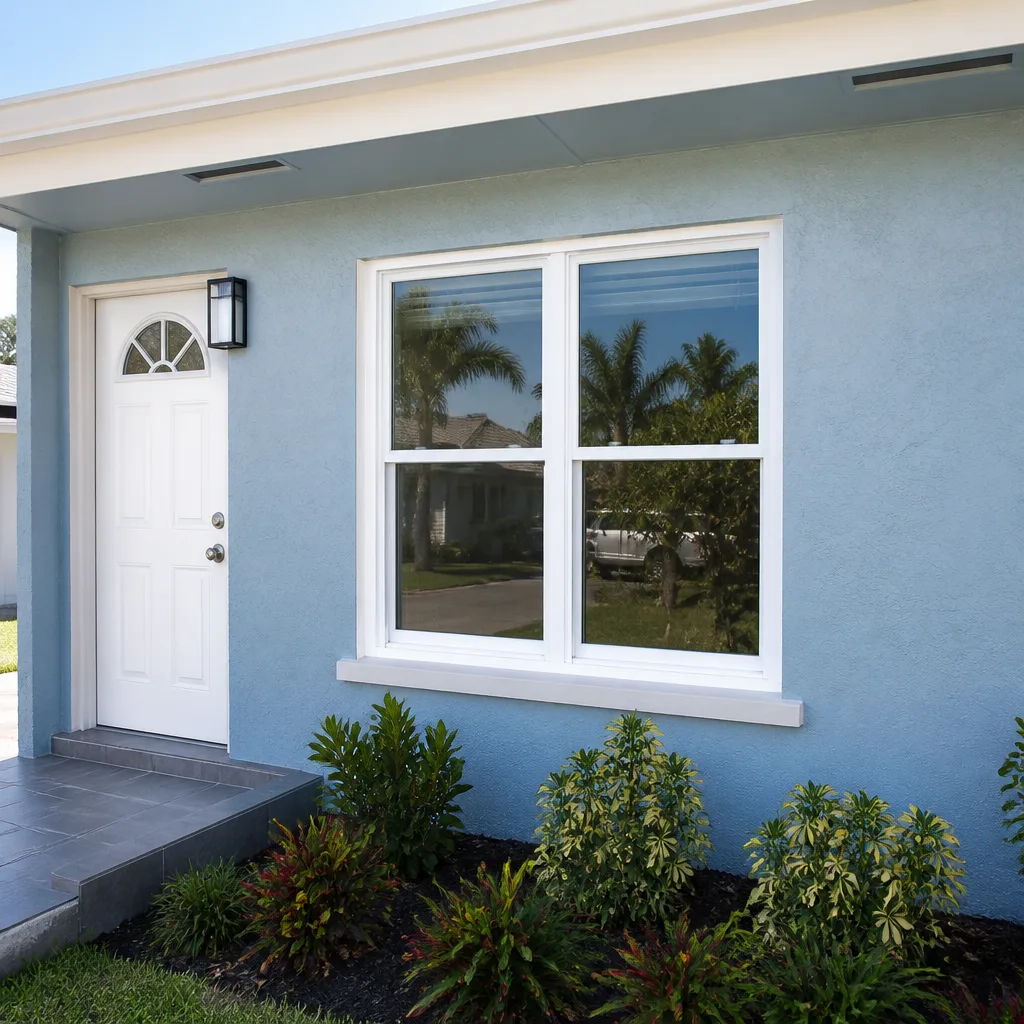 After
After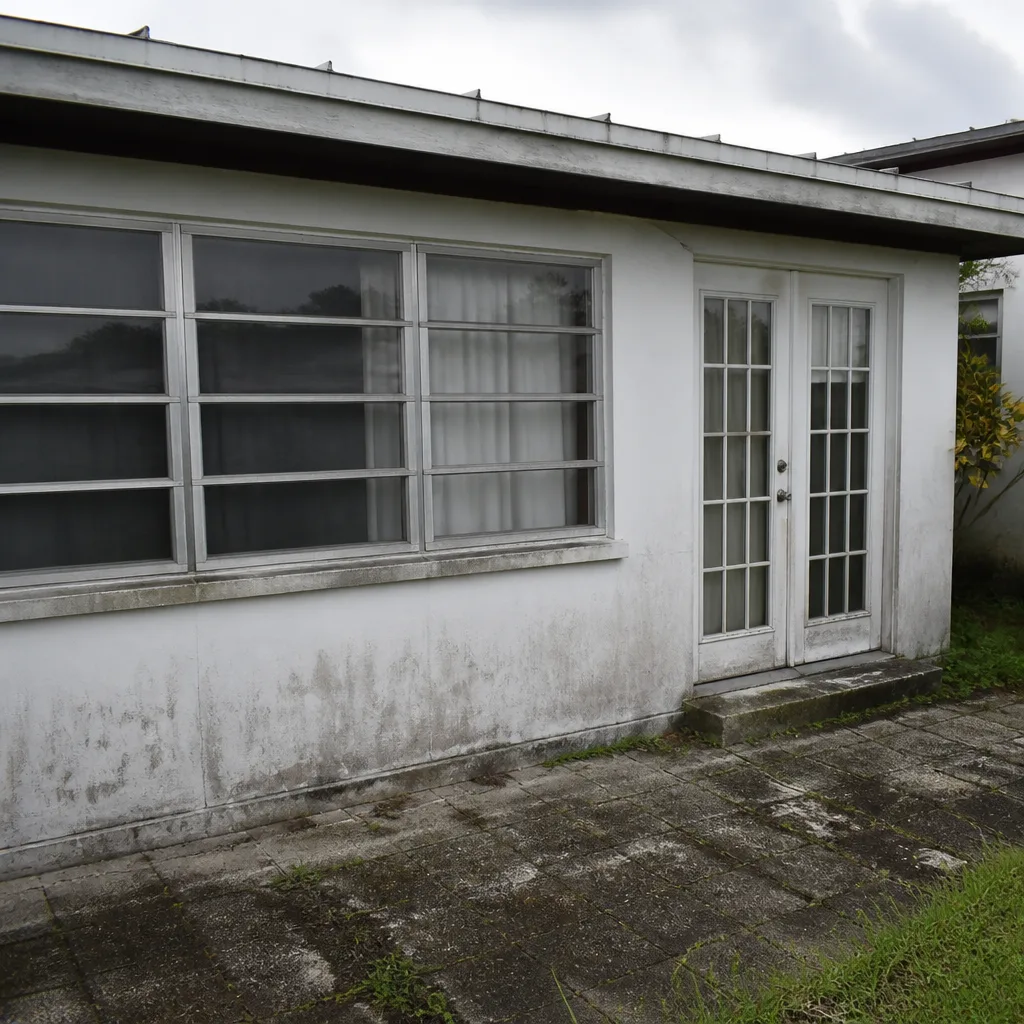 Before
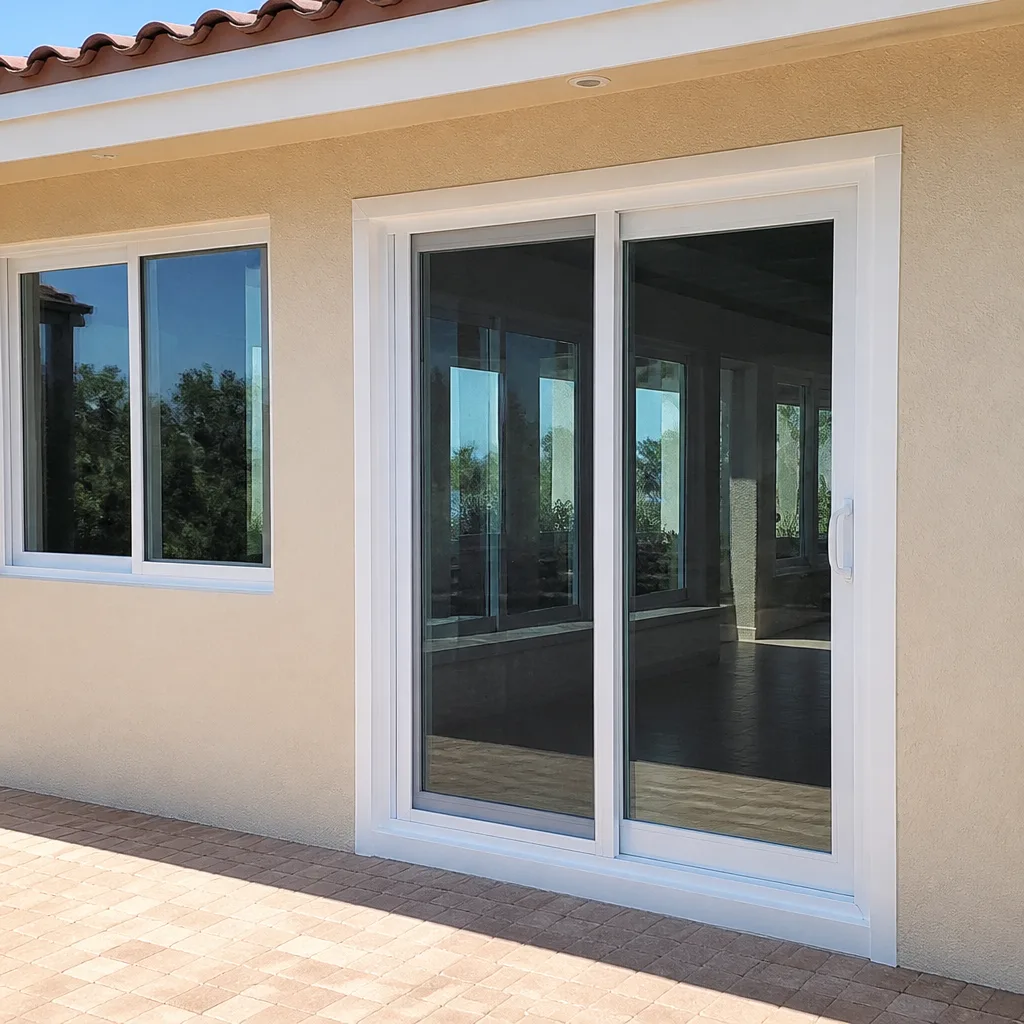 After
After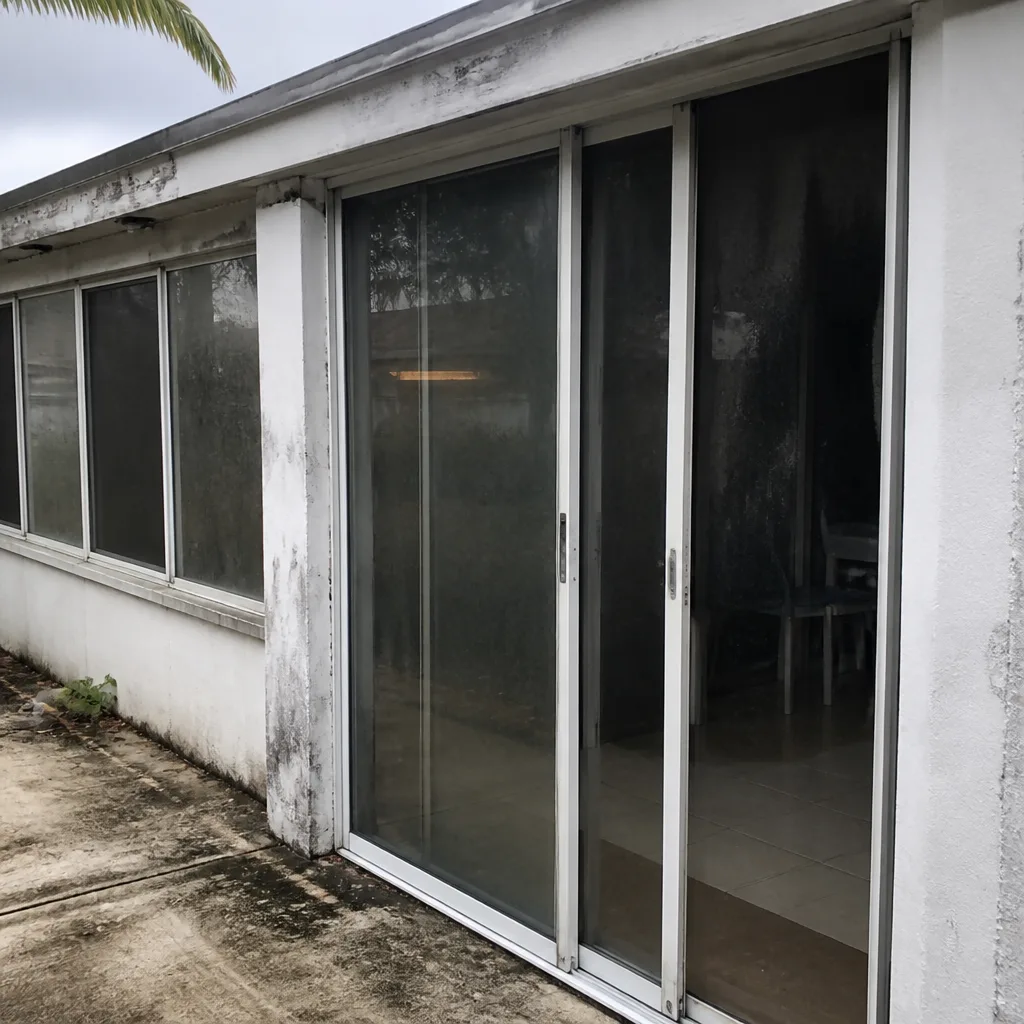 Before
 After
AfterWindows & Doors Warning Signs: A Riviera Beach Homeowner’s Reference Guide
Most homeowners in Riviera Beach don’t think about their windows and doors until something obvious goes wrong. But by the time a window fogs permanently or a door refuses to latch, the underlying problem has usually been developing for months, sometimes years. This guide walks through the warning signs that show up early, what they mean in a coastal Florida climate, and which ones call for professional attention before a small repair becomes a full replacement. We’ve seen the same patterns repeat across Singer Island, Palm Beach Shores, and the neighborhoods along Blue Heron Boulevard, and we’ll tell you what those patterns mean.
Quick Answer
The earliest warning signs of window and door failure in Riviera Beach are condensation between panes, difficulty opening or closing, visible daylight around frames, and drafts near closed units. In this salt-air climate, these issues typically signal seal failure, frame warping, or weatherstripping breakdown, all of which get worse faster than they would inland. Addressing them early usually means repair instead of replacement, and our team at TruePane Windows & Doors home has been handling both for Riviera Beach homeowners since 2008.
Table of Contents
- Condensation and Fog Between the Panes
- Windows and Doors That Stick, Bind, or Won’t Stay Open
- Drafts and Temperature Changes Near Closed Units
- Daylight Visible Around the Frame
- Water Stains, Soft Wood, and Frame Warping
- Impact Glass and Storm Protection Warning Signs
- When Your Electric Bill Is the Warning Sign
- Common Mistakes to Avoid
- When to Call a Professional
- Frequently Asked Questions
- The Bottom Line
Condensation and Fog Between the Panes
If you can wipe condensation off the inside surface of the glass, that’s a humidity issue in the house, not a window failure. But if the moisture is between the two panes, you’re looking at a failed seal. Double-pane and triple-pane windows depend on an airtight seal around the perimeter of the glass unit. When that seal breaks, outside air enters the space between the panes, bringing moisture with it. The result is fog, haze, or water droplets that never wipe away.
In Riviera Beach, we see seal failures more often than inland communities. The combination of salt air, intense UV exposure, and temperature swings between a cool air-conditioned interior and 90-degree exterior heat puts constant stress on sealant materials. A window that would last twenty years in Ohio might show seal failure at twelve or fifteen years here, especially on western-facing walls that get the full afternoon sun.
Signs to look for:
- Persistent fog between panes that doesn’t clear
- Water droplets visible inside the glass unit
- A milky or hazy appearance that wasn’t there when the windows were new
- Distortion or rippling in the glass viewed at an angle
Some homeowners try to live with fogged glass, treating it as a cosmetic problem. It’s not purely cosmetic. A failed seal means the insulating gas between the panes, usually argon, has escaped. The window loses most of its thermal performance, and the glass unit itself becomes more prone to further deterioration. Repair is possible in many cases: the glass unit, called an insulated glass unit or IGU, can be replaced without replacing the entire window frame. We’ve done that work in homes from the Marina District to Lost Tree Village, and in most cases it’s a one-day job.
Windows and Doors That Stick, Bind, or Won’t Stay Open
A window that used to slide easily and now takes two hands to move is telling you something. So is a door that scrapes the frame in summer but swings fine in winter. In Riviera Beach, the humidity cycle is the usual culprit, but not the only one.
Wood frames absorb moisture during the wet season, which runs from May through October, and swell. They dry and contract during the cooler, drier months. Over years of this cycle, frames can permanently distort. Aluminum frames don’t swell, but they corrode in salt air, especially near the Intracoastal or the ocean, and corrosion builds friction on the tracks. Vinyl frames resist both moisture and salt, but they expand and contract with temperature, and poor installation can leave them pinched or misaligned.
- Sticking or binding during operation: This suggests frame swelling, track corrosion, or a balance system that’s failing.
- A window that falls shut or won’t stay open: This points to worn or broken balances, the spring mechanisms inside the frame that counter the sash weight.
- A patio door that requires lifting to slide: This usually means the rollers at the bottom have worn flat or the track has corroded.
- A door that won’t latch without being pulled hard: Over time, the door slab or the frame has moved out of alignment, or the strike plate has shifted.
For windows that won’t stay open, the safety concern is real. A falling double-hung sash can injure fingers or hands, especially for older homeowners. That’s a repair worth scheduling before it becomes urgent. Most balance replacements and roller repairs are straightforward, single-visit jobs, and the alternative of forcing the window open usually makes the underlying problem worse.
Drafts and Temperature Changes Near Closed Units
Stand near a closed window on a windy January day in Riviera Beach and you’ll know quickly whether the weatherstripping is doing its job. The same test works for doors: run your hand slowly around the perimeter on a breezy day. Moving air means the seal has failed somewhere.
Drafts come from a handful of predictable sources:
- Worn or compressed weatherstripping on the sash or door slab
- Gaps between the frame and the rough opening, often from settling
- Failed glazing or caulking around the exterior
- Warped sashes that no longer close flush
- Worn door sweeps at the bottom of entry doors
Here’s what we tell homeowners in Riviera Beach: a draft might feel like a minor comfort issue, but it’s also an energy cost issue and a moisture entry point. Air leaks let humid outside air into wall cavities, where it condenses and feeds mold. They also let air-conditioned air escape, which is expensive during the long Palm Beach County cooling season. If you can feel a draft, the fix is usually weatherstripping replacement or frame adjustment, both of which are far less costly than the mold remediation that follows untreated air leaks.
One pattern worth knowing: drafts that show up only when the wind blows from a certain direction often point to a gap on one side of the frame, usually the side facing the prevailing breeze. Riviera Beach gets most of its weather from the east and southeast, so east-facing windows and doors show these issues first.
Daylight Visible Around the Frame
This is the warning sign that surprises homeowners the most, because it sounds obvious once you hear it. Stand inside a closed room during daylight with the lights off. Look at the edges of the window or door frame, not the glass. If you can see light coming through where the frame meets the wall, the opening is not properly sealed.
What that visible light means, in practice:
- The window or door was not properly shimmed and sealed at installation
- Caulking around the exterior has cracked and separated
- The rough opening itself has shifted or settled
- Flashing, which directs water away from the opening, has failed or was never installed correctly
We’ve followed behind other installers in Riviera Beach homes and found daylight gaps that had been there since installation day. In coastal construction, the building code requires specific flashing and sealing details because wind-driven rain gets pushed into the smallest gaps at high pressure. A daylight gap is an invitation for water intrusion during the next tropical storm, and water intrusion is the first step toward frame rot, wall damage, and mold.
Don’t assume a small sliver of light is harmless. It’s a direct sightline through your building envelope, and it means the seal that should be there isn’t. In most cases, this is correctable without a full replacement: the window gets reset, re-shimmed, re-flashed, and sealed. But it takes a qualified installer to do it right, because the water management details are the part most likely to have been skipped the first time.
Water Stains, Soft Wood, and Frame Warping
Wood-framed windows and doors are less common in newer Riviera Beach construction than impact-rated aluminum or vinyl, but they’re still all over older homes, especially in neighborhoods with 1950s and 1960s ranch houses. Wood is vulnerable in this climate, and the warning signs are consistent.
Check these spots:
- The bottom corners of window sills where water pools after rain
- The lower rail of wood sashes
- The bottom edge of exterior doors, especially if the door sweep is worn
- Any place where paint is bubbling, peeling, or discolored in a pattern that suggests moisture behind it
Press a screwdriver or a fingernail gently into suspect wood. Sound wood resists. Soft wood gives. That softness is rot, and it will spread if the moisture source isn’t fixed. In Riviera Beach, the moisture source is often a failed exterior seal at the top or sides of the opening that channels rain behind the trim. The visible stain appears low, but the entry point is usually higher up, which is why spot-caulking the stain rarely solves anything.
Frame warping shows up differently. A swollen, warped frame makes operation difficult in summer and might correct itself in winter, but the correction is temporary and the damage accumulates. By the time a window or door is noticeably warped, replacement is usually the honest recommendation rather than patching the symptom.
For homes planning to stay in Riviera Beach through future hurricane seasons, this is the point where impact-rated replacement windows and doors become the smart conversation. Brands like Andersen and Pella offer impact lines designed for the South Florida market, and they’re worth considering when the existing frames are already compromised.
Impact Glass and Storm Protection Warning Signs
Riviera Beach sits in the Miami-Dade and Broward High Velocity Hurricane Zone, which means impact-rated windows and doors aren’t optional upgrades here, they’re the standard. If your home already has impact glass, it needs inspection just like any other building component, and it has its own set of warning signs.
Things to check on impact-rated units:
- Visible damage to the laminate layer: Cracks, chips, or delamination at the edges of the glass
- Failed seals: Impact glass can fog between panes just like standard glass
- Frame corrosion: Many impact windows use aluminum frames, which corrode in salt air if the coating is compromised
- Hardware wear: Impact doors are heavy, and hinges, rollers, and locking mechanisms wear faster than on standard doors
- Missing or damaged labels: Impact-rated products carry labels that identify their certification. If the label is gone or illegible, you may have trouble proving the product’s rating to an insurer.
So here’s a fact worth knowing when replacing damaged impact glass in Riviera Beach: not all replacement glass restores the certified impact rating. Impact-rated units are tested as a system, glass and frame together. If the glass is replaced with standard insulated glass, you lose the storm protection rating and your insurance documentation becomes inaccurate. The replacement glass needs to match the manufacturer’s impact specification. We handle this regularly through our authorized dealer relationships both make this process straightforward when you’re working with an installer who has the right access.
When Your Electric Bill Is the Warning Sign
Sometimes the window problem doesn’t announce itself visually. It shows up on the FPL bill instead. If your cooling costs have crept upward while the thermostat setting hasn’t changed, your windows and doors are a likely contributor, especially if they’re original to a house built before impact-glass standards took effect.
Riviera Beach gets roughly 3,000 hours of sunshine a year, and a home’s window surface area is absorbing that heat unless the glass is doing something to reject it. Single-pane glass does almost nothing. Older double-pane glass with failed seals isn’t much better. Low-emissivity coatings, often just called Low-E, make a measurable difference by reflecting infrared heat while still passing visible light. If your windows are fifteen-plus years old, they almost certainly lack modern Low-E coatings, and that’s a quiet, year-round cost.
Here’s a practical way to think about it: windows and doors are holes in your house that you fill with glass. The question is how good the glass is at doing the job of a wall while still letting you see outside. When the answer is “not very,” your air conditioner runs longer, your humidity climbs, and your comfort drops. Replacing old, inefficient windows in a Riviera Beach home is a real project with a real price tag, and it’s also one of the few home improvements that pays back every single month in reduced energy cost.
Common Mistakes to Avoid
- Assuming fogged glass is just cosmetic. A failed seal means lost insulating value and a window that’s no longer doing its job. The longer it’s ignored, the more likely the frame is also deteriorating from moisture exposure.
- Forcing a stuck window or door open. Forcing operation bends hardware, breaks balances, and damages frames. The repair after a forced opening usually costs more than the original fix would have.
- Caulking over daylight gaps from the inside. Interior caulk doesn’t address water intrusion from the outside. It hides the symptom while the leak continues inside the wall.
- Replacing impact glass with standard glass. This quietly voids the storm protection rating and can put your insurance coverage at risk. In Riviera Beach, the replacement glass must match the certified impact system.
- Waiting until a window fails completely to start shopping. Emergency replacements cost more and limit your options. If you know you have aging windows, get a plan together before hurricane season.
- Choosing the lowest bid without understanding the warranty. In this market, low bids often come from installers who skip flashing details or use off-brand hardware. The savings disappear the first time water gets in.
When to Call a Professional
Some warning signs are worth a look from a trained eye, and Riviera Beach has enough salt air, humidity, and storm exposure that professional assessment pays for itself. Call a glazier when you see condensation between panes that won’t clear, when a window or door becomes difficult to operate, when daylight is visible around a frame, when wood is soft or water stains appear, or when impact glass shows cracks or delamination. Any of these indicate a problem that’s already advancing. TruePane Windows & Doors offers free estimates in Riviera Beach, and we’ve been at this long enough to give you an honest read on what needs fixing and what can wait. Call (786) 829-6722 to schedule a free estimate.
Frequently Asked Questions
Window repair in Riviera Beach typically runs between $150 and $600 depending on the type of repair. A weatherstripping replacement or caulking job usually falls at the low end, while replacing a failed insulated glass unit runs higher, especially for impact-rated glass. Everything here is quote-based because no two windows are identical, and we’ll put the numbers on paper before any work starts. Call (786) 829-6722 for a free estimate on your specific windows.
Yes, in most cases the fogged glass unit can be replaced while keeping the existing frame, which costs significantly less than a full window replacement. The replacement glass needs to match the frame’s specifications, and for Riviera Beach homes with impact-rated windows, it must match the impact certification. This is a standard job for an experienced glazier, usually completed in a single visit.
Quality impact windows in the Riviera Beach climate typically last twenty to thirty years, though salt-air exposure and direct oceanfront conditions can shorten that. The frame material matters: aluminum corrodes near the water without proper coating, vinyl holds up better against salt, and all materials need hardware maintenance over time. The seal and laminate layer should be inspected periodically, especially after significant storms.
Yes, window and door replacement in Riviera Beach requires a permit, and the work must meet current Florida Building Code standards for the High Velocity Hurricane Zone. A qualified contractor pulls the permit and arranges the required inspection. When we handle a job, the permit is part of the process from the start, and the inspection is a verification step, not an afterthought.
A binding window can sometimes be repaired by adjusting the frame, cleaning and lubricating the tracks, or replacing the balance system. If the frame has permanently warped or the sash is structurally compromised, replacement is the honest fix. The determining factor is whether the existing materials can be brought back to proper function or whether they’ve degraded past the point of return. We’ll tell you which one you’re looking at, and why.
No. Our quotes are written and fixed, and the price on paper is the price at the end of the job. The only exception is if hidden damage is discovered during the work, and in that case we stop, explain what we found, and get your approval before doing anything further. No surprise line items, no change orders you didn’t agree to. Call (786) 829-6722 to talk through what your project looks like.
The Bottom Line
Windows and doors in Riviera Beach fail in predictable ways, and the warning signs are there if you know what you’re looking at. Fogged glass, drafts, daylight at the frame, wood that’s gone soft, and bills that keep climbing all point to the same conclusion: the building envelope isn’t holding up under coastal conditions. The earlier these issues are caught, the more likely repair is an option, and the less likely a small problem becomes a full replacement plus water damage. Dale knows this trade because he’s been in it his whole working life, and we treat every job as if the next hurricane season is the real inspection. If something in this guide matches what you’re seeing in your home, call (786) 829-6722. We’ll put eyes on it and tell you straight what you’re dealing with.
Written by Dale Kessler, Owner at TruePane Windows & Doors, serving Riviera Beach since 2008.
Six Reasons Homeowners Choose TruePane Windows & Doors
Impact systems engineered to design pressures up to +/-100, matched to your wind zone - your openings hold when the storm arrives.
Low-E insulated impact glass from our manufacturer lines commonly cuts monthly cooling bills 20-30%.
Laminated impact glass shuts out up to 40% of outside noise - traffic, neighbors, weather.
Monitoring services run $30-90 a month. Laminated impact glass resists forced entry around the clock, with no subscription.
Florida homeowners average around 25% savings on the windstorm portion of their policy after protecting every opening - some homes qualify for more.
A full impact package upgrades curb appeal, buyer confidence and appraised value in one project.