
Last updated August 27, 2026
Free in-home measure and quote - PGT, CGI and CWS impact lines compared on your actual openings, style by style
Sliding glass doors
Impact garage doorsPGTCGI
 Before
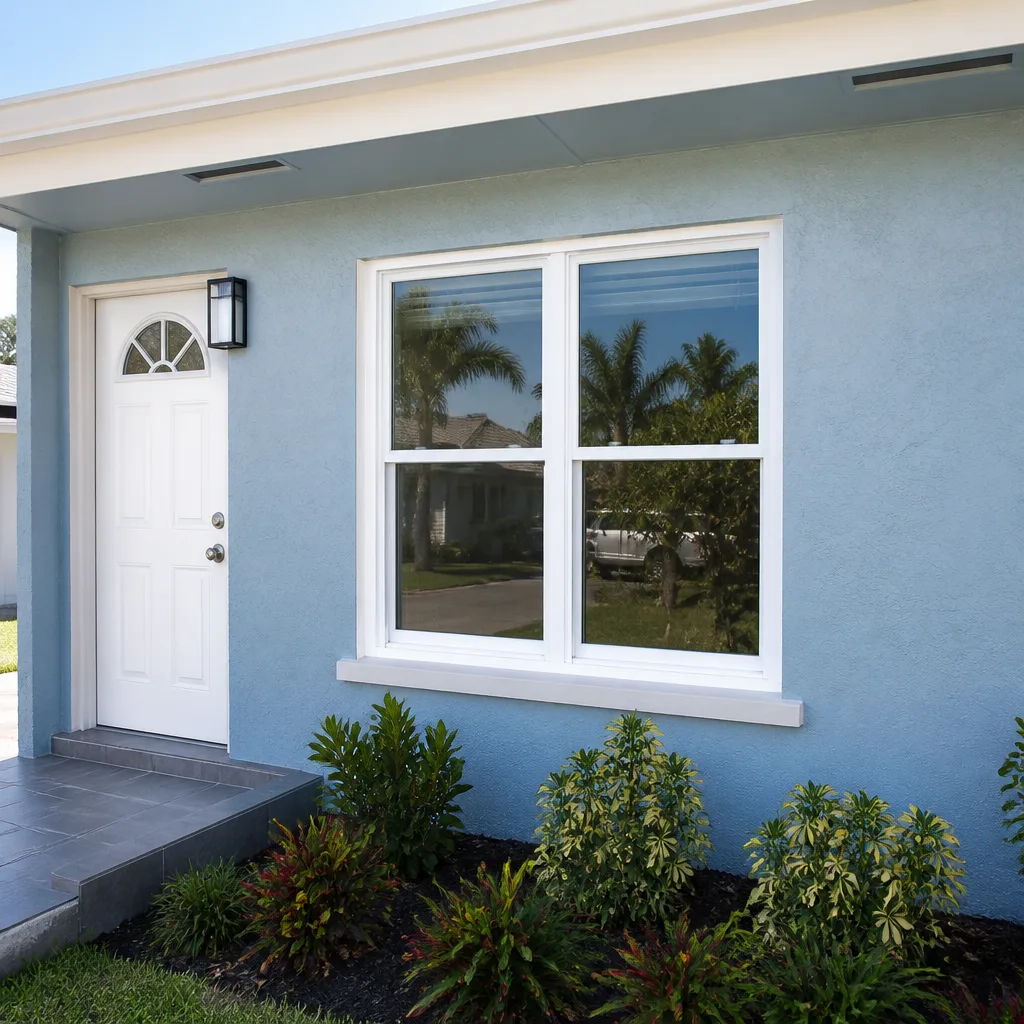 After
After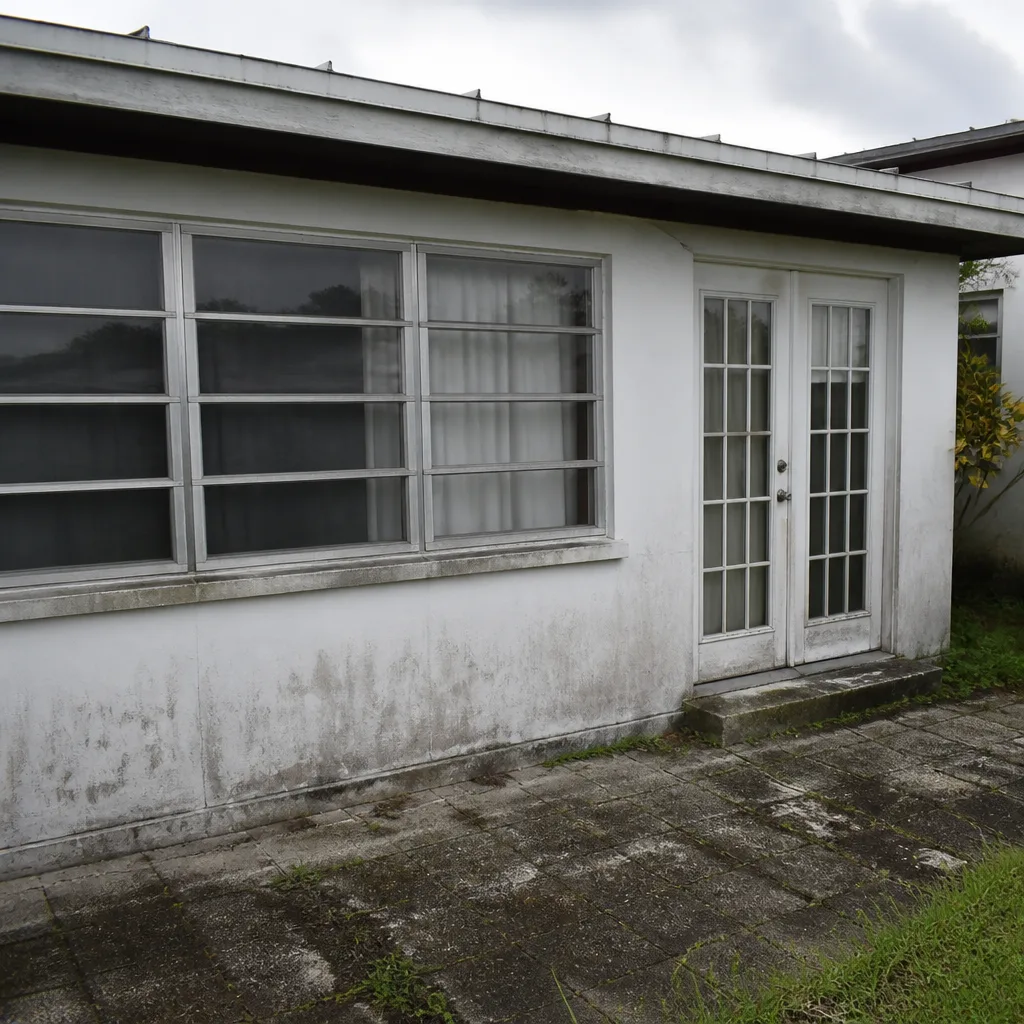 Before
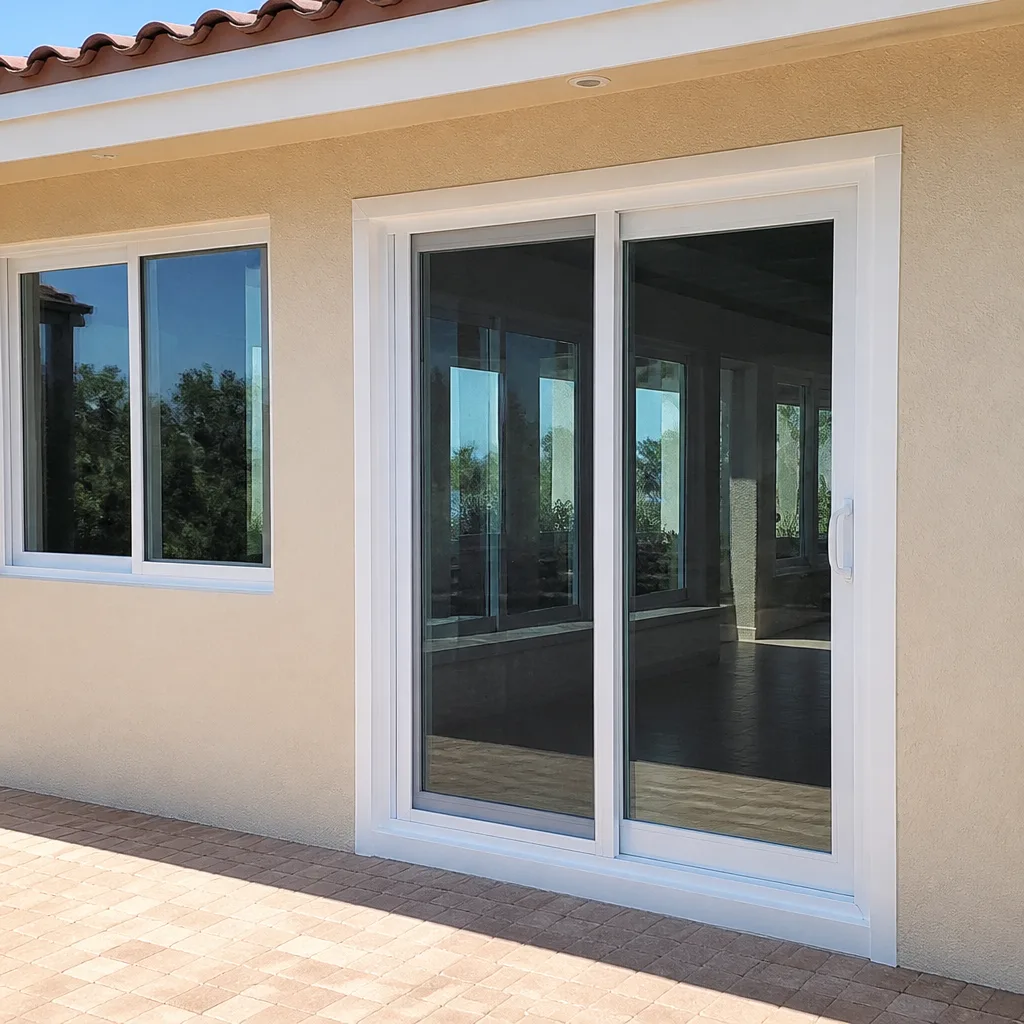 After
After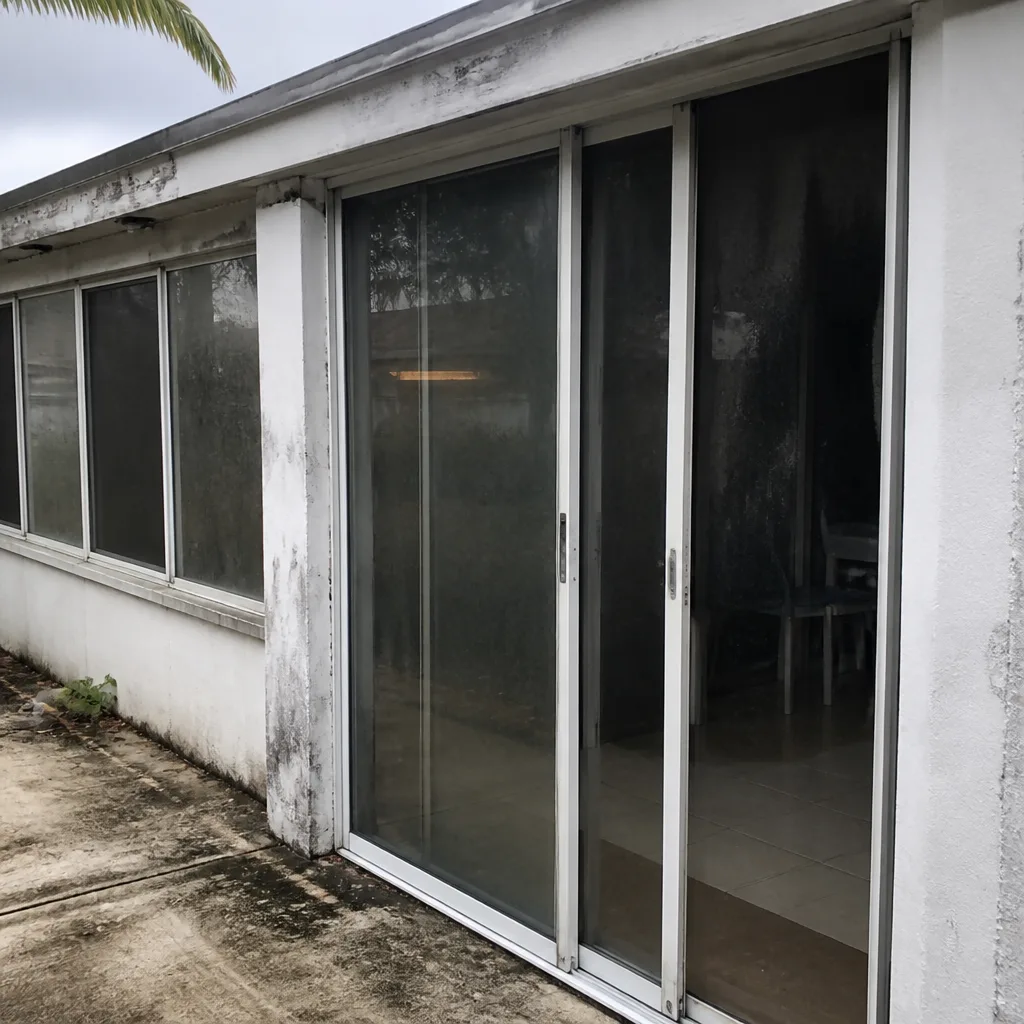 Before
 After
AfterSeasonal Windows & Doors Care for Riviera Beach: Year-Round Homeowner’s Guide
Most Riviera Beach homeowners don’t replace windows because the glass fails. They replace them because the frame rots, the track corrodes, or the seal gives out after years of salt air and summer humidity doing quiet, patient damage. A window is a system, not a pane, and in this climate the system takes a beating that homeowners in drier parts of the country never see. This guide walks through what that beating looks like season by season, what you can reasonably handle yourself, what you should never touch, and when the right call is a professional who has seen it before. By the end, you’ll know exactly what your windows and doors need to survive another Riviera Beach summer, and what it should cost to keep them working.
Quick Answer
Seasonal window and door care in Riviera Beach means cleaning tracks and weep holes every three months, checking seals and weatherstripping before hurricane season, lubricating rollers and hinges twice a year, and inspecting frames for salt-air corrosion and UV damage each spring and fall. Most homeowners can handle the cleaning and inspection themselves, but anything involving glass replacement, frame repair, or impact-rated hardware should go to a licensed professional. A maintenance visit typically costs $89 to $250 in this area, and it’s the cheapest insurance you’ll ever buy against a $1,400 replacement.
Table of Contents
- Why Riviera Beach Is Harder on Windows Than Almost Anywhere Else
- Spring Care: Cleaning Out Six Months of Salt and Pollen
- Summer Care: Keeping Seals and Frames Alive Through the Humidity
- Fall Care: Post-Storm Inspection and Hardware Tune-Up
- Winter Care: The Overlooked Season
- Door Care That Most Homeowners Skip
- Impact Windows and Hurricane Doors: Special Considerations
- Common Mistakes to Avoid
- When to Call a Professional
- Frequently Asked Questions
- The Bottom Line
Why Riviera Beach Is Harder on Windows Than Almost Anywhere Else
Riviera Beach sits on a barrier peninsula with the Atlantic on one side and the Lake Worth Lagoon on the other. That means two things every single day: salt aerosol in the air and moisture that never fully leaves. Salt corrodes aluminum tracks, pits brass hardware, and works its way into tiny scratches in frame coatings. Moisture feeds mildew in tracks, swells wood frames, and accelerates the breakdown of rubber weatherstripping. Add in 230-plus days of intense UV exposure per year, and you have a combination that ages windows and doors faster than almost any coastal market in the country.
We’ve replaced windows in the Marina District that were only eight years old and already had corroded balance systems. We’ve also seen 30-year-old windows in older concrete-block homes that held up because the homeowner cleaned the tracks quarterly and kept the weep holes clear. The difference is never the brand or the original installer. It’s the maintenance. In this climate, neglect is a decision, and it’s an expensive one.
The good news is that the maintenance itself is simple. None of it requires special tools or skills. What it requires is a calendar reminder and about 45 minutes four times a year. That’s the entire tradeoff: 45 minutes a season, or a $900 to $1,800 replacement when the frame finally gives out.
Spring Care: Cleaning Out Six Months of Salt and Pollen
Spring in Riviera Beach is when the pollen from the mangroves and the sea grape trees settles into every groove and track on your windows and doors. It mixes with salt residue and forms a paste that hardens after a few weeks of sun. If you do nothing else all year, clean your tracks thoroughly every spring.
Step-by-Step Spring Window Cleaning
- Vacuum the tracks first. Use a narrow brush attachment and get every bit of loose debris, sand, and pollen out before you introduce water. Sand is abrasive, and scrubbing wet sand into an aluminum track just scores the finish.
- Clear the weep holes. Every sliding window and door has small drainage holes along the bottom track. Use a thin wire or a pipe cleaner to push out blockages. In Riviera Beach, these clog with salt crust and tiny insect nests more than anything else. A clogged weep hole means water sits in the track after every rain, and that water eats aluminum.
- Wash with warm water and a degreasing dish soap. Avoid heavy solvents and definitely avoid pressure washers, which blast water past the weatherstripping and into the frame. A soft brush and soapy water is enough to break down six months of salt and pollen paste.
- Dry the tracks completely. Use a rag or a shop towel. Leaving standing water invites new mildew and repeats the corrosion cycle you just cleaned.
- Lubricate the rollers, hinges, and balance springs. Use a silicone-based spray, not WD-40. WD-40 attracts dust and turns into sludge in a salty climate. Silicone repels moisture and keeps moving parts gliding smoothly. A can costs about $7 and lasts a full year.
What to Look For While You’re Cleaning
- Frame discoloration or pitting: White aluminum frames that show gray spots are oxidizing. That’s the coating failing, and the aluminum underneath is next.
- Stiff operation: If a window sticks or a door drags, don’t force it. That’s a sign of track wear or a failing roller, and forcing it bends the frame.
- Condensation between panes: Fogged glass means the seal has failed. Cleaning won’t fix it. The insulating gas has escaped, and the window has lost its energy efficiency.
- Daylight around the edges: If you can see light coming through the weatherstripping on a closed door or window, the seal is shot. Water and insects are coming through the same gap.
In our experience across Riviera Beach, Singer Island, and North Palm Beach, spring is the season when homeowners first notice problems that developed during the winter. It’s also the most economical time to address them, before the summer heat pushes demand and lead times.
Summer Care: Keeping Seals and Frames Alive Through the Humidity
Summer is the stress test. Daytime highs in the low 90s, humidity rarely below 70 percent, and afternoon thunderstorms that dump an inch of rain in an hour. Your windows and doors are expanding in the heat and contracting slightly during the cooler nights, which means seals are working constantly. If they’re dried out or cracked, summer is when they fail for good.
The Summer Checklist
- Inspect weatherstripping on every exterior door and window. Look for cracks, flattening, and gaps at the corners. Compressed weatherstripping lets conditioned air escape, and in Riviera Beach, that shows up on your FPL bill within a month. It also lets humidity in, which makes the whole house work harder to stay cool.
- Check window film and tint for bubbling. South and west-facing windows in Riviera Beach take a beating. Bubbling film means the adhesive is breaking down. It’s not a structural issue, but it means the film is no longer blocking UV, and your floors and furniture are taking direct sun.
- Test the operation of every window and sliding door. Summer is when aluminum expands, and windows that glided fine in January suddenly bind. Note which ones stick, and mark them for adjustment before fall. A window that binds in the track is also a window that’s dragging dirt and scoring the metal.
- Re-clear weep holes after every heavy storm, or at minimum monthly. Summer thunderstorms wash sand and debris into the tracks, and a single blocked weep hole can leave water standing for weeks between cleanings.
- Check caulking around exterior frames. Caulk dries and cracks faster in direct sun. Walk the outside of your house and look for separation between the frame and the stucco or block. Failed caulk lets water behind the frame, where it rots the rough opening and undermines the installation.
Summer Cost Realities in Riviera Beach
If you’re noticing higher electric bills and your windows are more than 15 years old, the issue is often failed seals or single-pane glass. Replacement costs in Riviera Beach run higher than inland Palm Beach County because of wind-load requirements and the prevalence of impact-rated glass. Expect to pay between $850 and $2,400 per window depending on size, material, and impact rating. A full house of mid-range impact windows typically lands between $14,000 and $32,000. That’s a wide range, but the difference comes down to frame material, glass package, and whether the opening needs any structural work.
We show homeowners side-by-side quotes for TruePane Windows & Doors home product lines from Andersen, Pella, and Marvin so the price difference is visible on paper, not hidden in a sales pitch. You should know exactly what you’re paying for and what the warranty covers before any contract is signed.
Fall Care: Post-Storm Inspection and Hardware Tune-Up
Fall in Riviera Beach means the end of hurricane season, and that makes it the most important inspection window of the year. This is when you document damage, schedule repairs before the holidays, and tune up every piece of hardware before the mild winter months.
Post-Storm Inspection: What to Check
- Look for water stains inside frames and on walls below windows. Even if a window didn’t leak during a storm, the next heavy rain can find the same path. Staining means water penetrated somewhere, and the longer it goes unaddressed, the more rot and mold builds inside the wall cavity.
- Check hardware screws and fasteners. Hurricane-force winds flex frames and loosen hardware. A loose handle or hinge is a five-minute fix in October and a stripped, damaged assembly by spring.
- Inspect impact glass for scratches, chips, or laminate separation. Impact windows are designed to take a hit and keep protecting the opening. But once the outer layer is damaged, the window needs replacement, not repair. A chip can turn into a full crack during the next wind event.
- Test every lock and latch. A door that doesn’t latch securely is a security risk and an energy drain. Adjust strike plates and replace worn latch assemblies before the holidays bring more foot traffic through the house.
- Review your hurricane shutters or impact doors for worn tracks and rollers. If you have accordion shutters or sliding impact doors, fall is the time to lubricate and replace worn parts. Waiting until June means waiting behind everyone else who waited.
The maintenance check
For homeowners who want a professional once-over, a maintenance visit is the most cost-effective maintenance call you’ll ever make. At TruePane Windows & Doors, our maintenance visit runs $89 and covers track cleaning, lubrication, hardware tightening, seal inspection, and a written report on anything that needs attention. Most jobs are completed in one visit, and you’ll know exactly where your windows and doors stand heading into winter.
Winter Care: The Overlooked Season
Riviera Beach winters are mild, which means most homeowners skip window maintenance entirely from December through February. That’s a mistake, and here’s why: winter is when the humidity finally drops, which makes it the ideal season for caulking, painting, and seal replacement. Materials cure better, adhesives bond stronger, and you’re not fighting the afternoon heat.
Winter Maintenance Tasks That Work Better in Cool Weather
- Exterior caulking: Silicone and polyurethane caulks cure best between 40°F and 80°F. Riviera Beach winter temperatures sit right in that range. Summer application often skins over too fast and leaves a weak bond.
- Wood window restoration: If you have older wood windows or wood-clad frames, winter is the time for sanding, sealing, and repainting. Low humidity means the wood is at its driest, and finishes penetrate properly.
- Hardware replacement: Ordering replacement parts in winter means shorter lead times from manufacturers. By spring, everyone else is discovering their problems, and parts take three weeks instead of five days.
- Interior condensation assessment: On the rare cold morning, check windows for interior condensation. It indicates a humidity problem inside the house, not a glass failure, and it’s easier to diagnose in winter when the temperature differential is greatest.
Winter is also the smartest season to schedule a window or door replacement. Demand drops, manufacturer lead times shorten, and installers work in mild weather instead of July heat on a west-facing wall. If you know you have a problem window, December through February is when you’ll get the best scheduling flexibility and often better pricing on full-house projects.
Door Care That Most Homeowners Skip
Doors take more abuse than windows, and they get less attention. A front door in Riviera Beach opens and closes thousands of times a year, gets hit with salt air every day, and often faces direct afternoon sun. Sliding patio doors face the same conditions while also carrying the load of glass panels that weigh hundreds of pounds.
The Door Maintenance Routine
- Clean and lubricate hinges twice a year. Use a silicone spray. Spray onto a rag, then wipe the hinge pins. Spraying directly onto the hinge drips oil onto the door face and the floor.
- Check the threshold seal. This is the rubber or vinyl strip under the door. In Riviera Beach, it dries out and cracks from sun and salt exposure. Replace it when it’s flattened or split. A new threshold seal costs $20 to $40 and takes 30 minutes.
- Test and adjust the strike plate. If the door rattles when the wind blows, or if you have to lift the handle to latch it, the strike plate is misaligned. Loosen the screws, shift the plate, and retighten. If the screw holes are stripped, use longer screws or pack the holes with toothpicks and wood glue before reinserting the screws.
- Inspect sliding door rollers annually. A sliding patio door that drags is usually a roller problem, not a track problem. Rollers wear out every 7 to 10 years under normal use, and faster in homes near the ocean. Replacement rollers run $15 to $60 per door, and the job takes about an hour if you know how to remove the panel.
- Check exterior door frames for rot and insect damage. In coastal Florida, wood door frames attract termites and hold moisture. Run a screwdriver along the bottom edge of the frame. If the wood feels soft, you have rot. Address it before the frame loses structural integrity.
When a Door Is Beyond Maintenance
Doors fail in predictable ways in this climate. Warped or rotting frames, corroded hardware, glass seals that have fogged so badly you can’t see through them, and doors that bind no matter how many times you adjust them. When a door reaches that point, the fix is replacement, not another round of repairs. Replacement entry doors in Riviera Beach typically run $1,200 to $4,500 depending on material and glass package. Sliding patio doors run $1,800 to $6,000, with impact-rated versions at the higher end.
Impact Windows and Hurricane Doors: Special Considerations
If your home has impact windows or hurricane-rated doors, you have a different maintenance profile than homes with standard glass. Impact products are engineered systems, not just thicker glass. The frame, the laminate interlayer, the mounting hardware, and the anchor systems all work together, and any one component falling out of spec compromises the whole assembly.
Impact Window Maintenance That Preserves the Rating
- Never substitute aftermarket parts. Impact windows are tested and rated as complete assemblies. Replacing a lock, roller, or balance with a generic part voids the manufacturer’s rating. Use only the original manufacturer’s components.
- Keep the certification sticker or etching intact. That sticker or etched code on the glass is proof the window meets Miami-Dade or Florida Building Code impact standards. Remove it, and you’ll have trouble with insurance documentation.
- Inspect the frame anchors after any major storm. The anchors that hold the frame to the structure take tremendous force during high winds. If you see cracking around the frame or gaps in the caulk after a storm, call a professional who understands impact installations.
- Don’t caulk over the weep holes, ever. Impact windows still need to drain. Blocking the weep holes traps water in the frame and shortens the life of both the frame and the glass seal.
- Report insurance discounts. Homes with impact windows and doors qualify for wind mitigation credits on Florida property insurance. Keep records of the installation and the product certification so you can document the credits when your insurer reviews your policy.
Other Impact Lines
For homeowners replacing impact windows, the glass package matters as much as the frame. ViewLux impact glass from ES Windows is a line we install and stand behind, alongside PGT, CGI, and Andersen’s Stormwatch products. Each has different performance characteristics, price points, and availability windows. We quote them side by side so you see the tradeoffs on paper before you spend a dollar.
Common Mistakes to Avoid
- Skipping the weep hole check. More window frames in Riviera Beach die from standing water in clogged tracks than from hurricanes. A wire, a flashlight, and five minutes a month is all it takes.
- Using the wrong lubricant. WD-40 has its uses, but window tracks and door hinges aren’t among them. It dries to a sticky film that collects sand and salt. Use silicone spray or white lithium grease.
- Pressure washing window frames. It seems efficient. It also forces water past seals, into weep holes, and behind caulk lines. Hand wash with a soft brush and mild detergent.
- Ignoring a fogged window because “it still works.” A failed seal means the insulating gas has escaped and the window is now single-pane in terms of thermal performance. In Riviera Beach summers, that’s a real cost on your electric bill every month.
- Painting over rotting wood instead of replacing it. Paint hides rot for about a year. Then the paint bubbles, the rot spreads, and the repair costs triple. Cut out the rot and splice in new wood, or replace the frame section entirely.
- Waiting until June to schedule hurricane-season work. Every installer in Palm Beach County is booked solid by June. If you need impact windows before storm season, start the process in January or February.
- Assuming impact glass never needs replacement. Impact windows are rated for a specific number of years, usually 15 to 25 depending on the manufacturer. The glass may still look fine, but the laminate interlayer degrades over time and the window loses its protective capability.
When to Call a Professional
Some jobs are worth doing yourself. Cleaning tracks, clearing weep holes, lubricating hinges, inspecting weatherstripping: these are homeowner maintenance tasks, and anyone with a screwdriver and a rag can handle them. Other jobs are not DIY territory, and the line between the two is clear.
Call a professional when you have cracked or broken glass, a fogged sealed unit that needs replacement, a window that has come out of its frame, a door that binds structurally (not just from dirt), any damage to an impact-rated product, rotted or insect-damaged frames, or water staining that suggests a leak inside the wall. These are not maintenance issues. They’re structural and safety issues, and getting them wrong costs more than the service call ever would.
TruePane Windows & Doors offers free estimates in Riviera Beach. Call (786) 829-6722 and a live person will actually answer, day or night.
Frequently Asked Questions
A maintenance visit in Riviera Beach typically runs $89 to $250 depending on the number of windows and doors and the scope of the inspection. TruePane Windows & Doors offers a maintenance check that covers track cleaning, lubrication, hardware tightening, and seal inspection. Call (786) 829-6722 to schedule one.
Every three months is the right interval for Riviera Beach’s salt air and humidity. Homes within a half-mile of the ocean or the lagoon should clean monthly during the summer, when wind and storms deposit the most sand and salt residue.
Fogging between the panes means the insulating seal has failed and the window has lost its energy efficiency. The glass unit needs replacement, not repair. In Riviera Beach, where humidity is high year-round, failed seals also allow moisture to condense inside the frame, which accelerates corrosion.
Replacement windows in Riviera Beach run $850 to $2,400 per window for standard products, with impact-rated windows typically $1,100 to $3,200 each. A full house of mid-range impact windows generally lands between $14,000 and $32,000. Exact pricing depends on size, frame material, glass package, and whether the openings need structural work.
The best time to schedule window replacement in Riviera Beach is January through March, before hurricane season and after the holiday rush. Lead times from manufacturers are shorter, scheduling is more flexible, and the work is done before the summer heat and summer demand.
Impact windows need the same track cleaning, weep hole clearing, hardware tightening, and seal inspection as standard windows. The difference is that impact products also require original manufacturer parts for any replacement and should be inspected by a professional after major storms. The rating depends on every component working as a system.
The Bottom Line
Windows and doors in Riviera Beach don’t fail suddenly. They fail slowly, season after season, as salt, sun, and humidity work on the same weak points over and over. The homeowner who spends 45 minutes four times a year on tracks, weep holes, seals, and hardware will get a decade more life out of the same windows than the homeowner who ignores them until something breaks. And when something does break, or when it’s time to replace, work with a company that puts the warranty in writing, registers the manufacturer coverage before the truck leaves, and stands behind the work with a real promise. If the pane is not true, the job is not done.
Written by Dale Kessler, Owner at TruePane Windows & Doors, serving Riviera Beach since 2008.
Six Reasons Homeowners Choose TruePane Windows & Doors
Impact systems engineered to design pressures up to +/-100, matched to your wind zone - your openings hold when the storm arrives.
Low-E insulated impact glass from our manufacturer lines commonly cuts monthly cooling bills 20-30%.
Laminated impact glass shuts out up to 40% of outside noise - traffic, neighbors, weather.
Monitoring services run $30-90 a month. Laminated impact glass resists forced entry around the clock, with no subscription.
Florida homeowners average around 25% savings on the windstorm portion of their policy after protecting every opening - some homes qualify for more.
A full impact package upgrades curb appeal, buyer confidence and appraised value in one project.