
Last updated August 27, 2026
Free in-home measure and quote - PGT, CGI and CWS impact lines compared on your actual openings, style by style
Sliding glass doors
Impact garage doorsPGTCGI
 Before
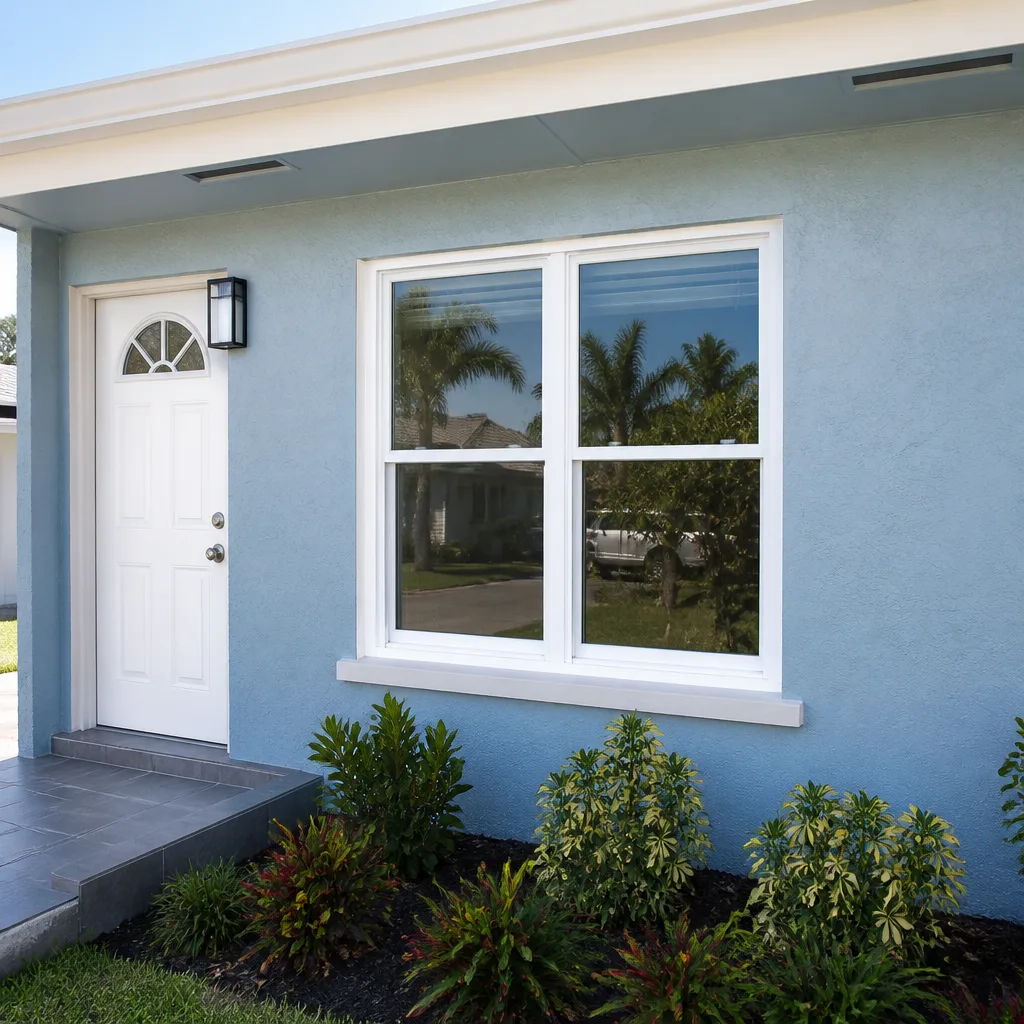 After
After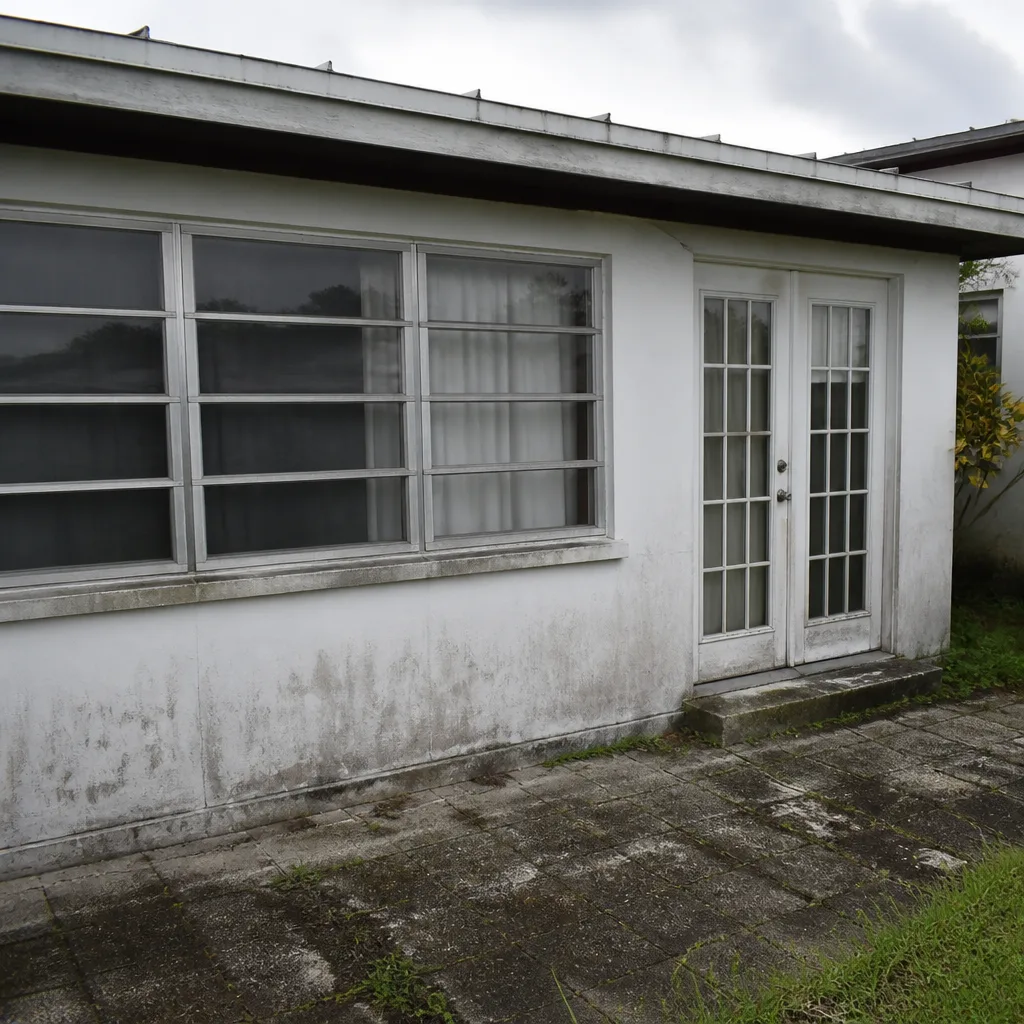 Before
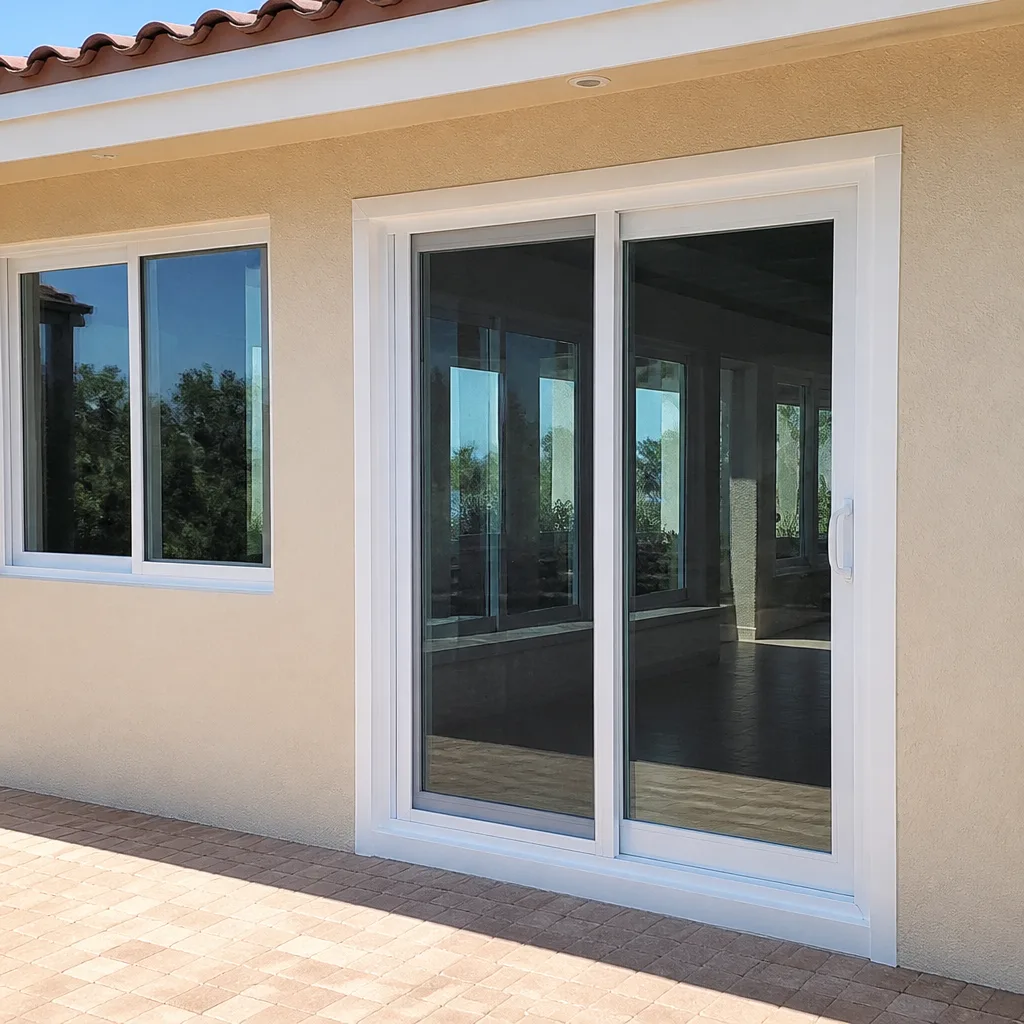 After
After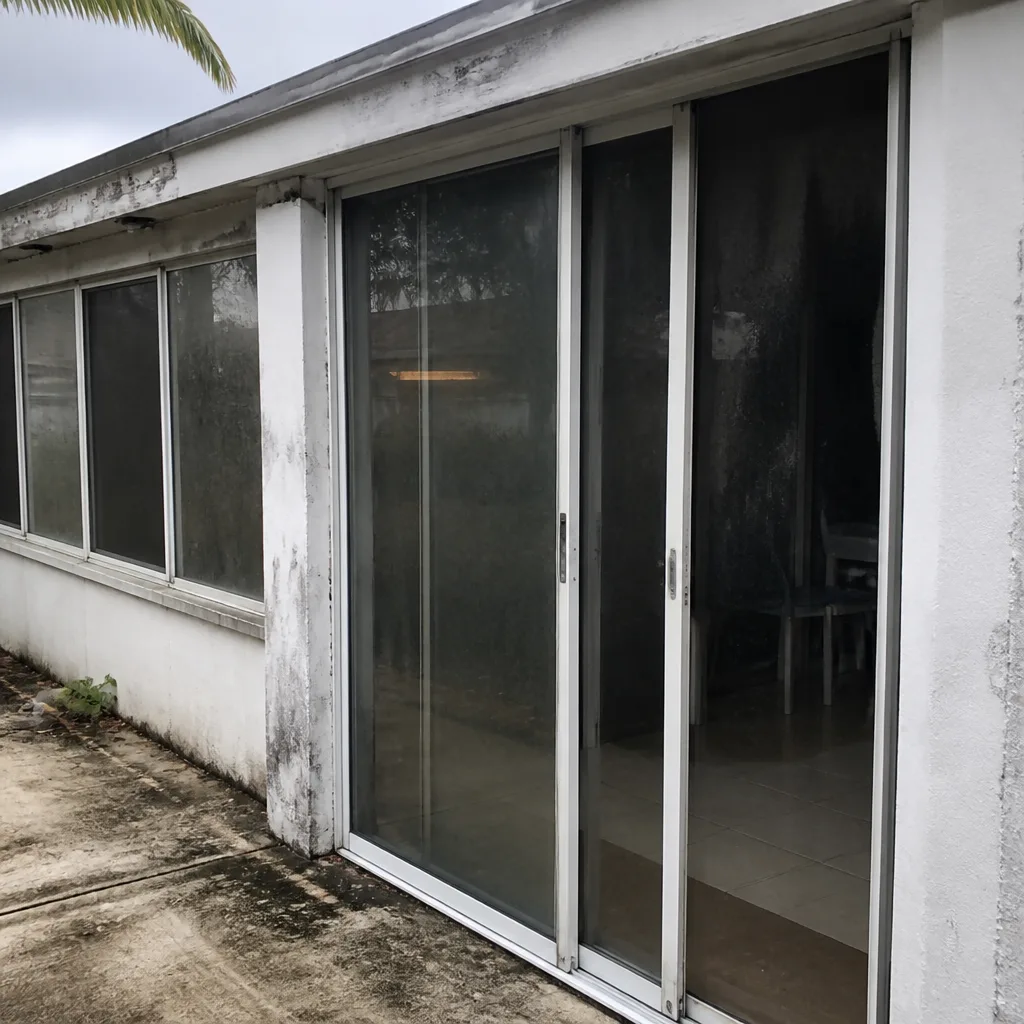 Before
 After
AfterWindow Installation Maintenance Checklist for Riviera Beach Homeowners
Most Riviera Beach homeowners don’t lose windows to hurricanes. They lose them to neglect: a weep hole clogged with salt crust, a caulk bead that hardened and cracked three summers ago, a roller that bound up and wore a groove into the track. The replacement window that cost $900 installed fails in year six, not because it was a bad window, but because no one ever told the homeowner what to check. This guide is the list we wish every customer had before the first drop of salt spray ever touched the sill. You’ll learn what to inspect monthly, what to do seasonally, what Riviera Beach’s salt air and humidity do to different frame materials, and when a maintenance issue becomes a replacement decision.
Quick Answer
Window maintenance in Riviera Beach comes down to four routines: checking weep holes and tracks monthly for salt and sand buildup, inspecting caulk and weatherstripping every spring for cracks and shrinkage, lubricating moving parts twice a year, and wiping down frames quarterly to prevent salt corrosion. Most homeowners can handle these checks in under 30 minutes per floor of the house, and the payoff is windows that last 15 to 20 years instead of failing at 8 or 10.
Table of Contents
- The Monthly Checklist: Weep Holes, Tracks, and Quick Wipe-Downs
- Seasonal Maintenance for Salt Air and Humidity
- How Riviera Beach’s Climate Affects Each Frame Material
- Lubrication and Hardware Care That Prevents Binding
- Caulk, Weatherstripping, and Seal Inspection
- Maintenance for Impact Windows and Doors
- Signs Your Window Needs More Than Maintenance
- Common Mistakes to Avoid
- When to Call a Professional
- Frequently Asked Questions
The Monthly Checklist: Weep Holes, Tracks, and Quick Wipe-Downs
A Riviera Beach window’s first line of defense is a row of small holes along the bottom edge of the frame. Those are weep holes, and they drain water that gets past the exterior gasket. When they clog, water sits inside the track. In six months of standing water plus salt air, an aluminum frame starts pitting. In a year, the rollers corrode. If you do nothing else on this list, keep those holes clear.
Here’s the routine we recommend to every homeowner in Riviera Beach, from Old Northwood to the condos along Ocean Drive:
- Check weep holes visually. Look for sand, salt crust, or insect debris. A wooden toothpick clears most blockages without scratching the frame. Don’t use a metal pick; it gouges the aluminum and gives corrosion a place to start.
- Vacuum the tracks. Sand is abrasive. Every time a sliding window opens, sand in the track grinds against the rollers. A shop vacuum with a crevice tool removes more grit than a rag ever will.
- Wipe down exposed metal. Use a damp cloth with a drop of mild dish soap. Rinse with clean water and dry the surface. Salt residue left on anodized aluminum eventually breaks down the finish.
- Test the movement. Slide each operable window or door closed and open once, slowly. Listen for grinding, feel for drag. A window that moves harder than it did last month is telling you something. Catching it early is a five-minute fix; ignoring it is a roller replacement.
- Inspect corner joints. Riviera Beach’s afternoon thunderstorms dump water fast. Corner joints where the frame rail meets the stile are common leak points once the sealant ages. Look for water stains on the interior sill after rain.
This monthly pass takes about 20 minutes for a typical three-bedroom house. Do it on the first weekend of every month. The consistency matters more than the effort.
Seasonal Maintenance for Salt Air and Humidity
Riviera Beach sits between two water bodies: the Atlantic Ocean on one side and the Lake Worth Lagoon on the other. That geography means two things for windows: salt spray laced with sand, and humidity that rarely drops below 70 percent for half the year. Your windows eat this environment every day of their service life. The seasonal checks are how you feed them back.
Twice a year, in late spring and late fall, work through this longer list:
Spring (Before Hurricane Season)
- Test every window’s weatherstripping with a dollar bill. Close the window on the bill. If it pulls out easily, the seal is loose. Loose seals leak conditioned air and let the summer humidity chase it in.
- Inspect all exterior caulk beads. Palm Beach County’s UV index runs extreme for eight months. Caulk that was soft and pliable in January can be cracked and peeling by May. Look along the top flange of each window, where runoff concentrates.
- Operate and lock every window. A lock that doesn’t engage fully lets the window flex during wind gusts. For impact windows, this check matters twice: the lock is part of the structural system.
- Check window screens for tears or loose spline. Riviera Beach mosquitoes are aggressive; a torn screen is an open invitation.
Fall (After the Rainy Season)
- Clean weep holes again after the summer storms. Silt and leaf debris are the usual offenders.
- Inspect the interior of the tracks for sand that blew in during afternoon thunderstorms. Vacuum before the dry season sets in, because dry sand is easier to remove than sand caked with humidity.
- Wipe down vinyl frames with a vinyl-safe cleaner. The summer heat accelerates oxidation, and a thin film of grime holds moisture against the surface all winter.
How Riviera Beach’s Climate Affects Each Frame Material
Not all window frames face Riviera Beach the same way. The material the factory chose matters more than the brand name on the glass. We’ve replaced windows from every manufacturer line we carry, and the failure patterns follow the material, not the marketing.
| Frame Material | Riviera Beach Weak Points | Maintenance Priority |
|---|---|---|
| Aluminum | Salt pitting at weep holes and corner joints; surface oxidation; thermal bridging in summer | Monthly wipe-downs; keep weep holes clear; inspect corner sealant seasonally |
| Vinyl | UV fading and brittleness at corners; heat-related expansion makes tight seals bind | Clean twice yearly; never use petroleum-based lubricants; check corner welds for hairline cracks |
| Wood or wood-clad | Humidity-driven rot at the sill; paint failures on the exterior; termite exposure | Repaint exterior every 3-4 years; inspect sill drainage; watch for soft spots with a screwdriver test |
| Fiberglass | Fewest climate-specific failures; occasional sealant delamination at the glass pock | Seasonal caulk inspection; routine cleaning |
Here’s the practical takeaway. Aluminum frames need you to stay ahead of salt. Vinyl frames need you to respect the sun. Wood frames need a commitment that many Riviera Beach homeowners make once and then quietly abandon by year three. Fiberglass is the lowest-maintenance option in this climate, which is why we’ve seen more Singer Island and Palm Beach Shores homeowners choose it for replacements on the water.
Lubrication and Hardware Care That Prevents Binding
Window hardware in Riviera Beach fails from two things: moisture and grinding. The moisture breeds corrosion. The grinding comes from sand embedded in roller bearings. Both are preventable with the right lubricant and the right technique, but the technique matters. Use the wrong product and you’ll make the problem worse.
Here’s the procedure we walk through with every homeowner who asks:
- Clean before you lubricate. Lubricant over sand creates a grinding paste. Vacuum the track thoroughly first. Wipe the roller wheels with a dry cloth to remove surface grit.
- Use a silicone spray or dry PTFE lubricant. Never WD-40 on window hardware. WD-40 is a penetrant and a dirt magnet; it attracts sand and turns sticky in humidity. A dry silicone or PTFE spray goes on thin, doesn’t hold grit, and lasts months.
- Target the rollers, not the track. Spray into the roller housing if accessible, or spray a thin line along the track where the wheels ride. A little goes a long way. Excess lubricant drips onto the apron and stains.
- Check balance systems on hung windows. If a hung window doesn’t stay open, the balance shoes are worn. This isn’t a lubrication fix; it’s a parts replacement. Tension hardware on older Riviera Beach houses, especially 1970s and 1980s construction, is at the end of its service life.
- Work the window. Slide it open and closed a dozen times to distribute the lubricant. Then wipe the residue from the track with a clean cloth to prevent dirt buildup.
Hardware failures we see most in Riviera Beach: roller assemblies on horizontal sliders, cam locks on casement windows, and balance springs on single-hungs from the 1990s. Once a roller seizes, the window is effectively out of service, and the repair cost exceeds the cost of the annual lubrication.
Caulk, Weatherstripping, and Seal Inspection
The seal between your window frame and the wall is the most underrated component in the whole installation. When it fails, water gets into the rough opening. In Riviera Beach, a failed caulk bead doesn’t just leak during hurricanes; it absorbs humidity year-round and feeds mold inside the wall cavity. By the time you see the interior stain, the damage behind the drywall is months old.
Here’s what to inspect and when:
- Exterior caulk: inspect every spring. Look for separation from the frame or the stucco, cracks wider than a hairline, and any areas where the bead has pulled away from the substrate. Riviera Beach homes with western exposure lose caulk faster due to the afternoon sun.
- Interior caulk and sealing: check yearly. Gaps along the interior trim signal that the window moved or the exterior seal failed. Air coming through the interior trim is cooled air leaving your house.
- Weatherstripping: check with the dollar-bill test every six months. Pay special attention to the bottom sweep on sliding doors and the meeting rail on hung windows. Replace anything that’s compressed, torn, or no longer making contact.
- Between the panes: if condensation appears inside an insulated glass unit, the hermetic seal is dead. No amount of caulk or weatherstripping fixes a failed IGU. The glass assembly gets replaced, and that job is not a maintenance task.
A Caulk bucket and a replacement weatherstripping kit cost under $40 combined. The mold remediation from a window leak discovered late costs thousands. This is the best return on investment in the entire maintenance budget, and it’s the one most often skipped.
Maintenance for Impact Windows and Doors
If your Riviera Beach home has impact windows, the maintenance responsibility changes slightly. Impact windows and doors are engineered systems. The laminated glass is bonded to the frame by a structural sealant, and the frame is installed with fasteners specified by Miami-Dade or Florida product approval. Nothing on this list is cosmetic; every element is part of the pressure rating that keeps the building envelope intact.
Specific checks for impact units:
- Lock engagement: every time you operate an impact window, the lock must seat fully. A partial engagement means the unit is not bearing the load it was designed for. If the lock doesn’t catch, call a professional rather than modifying the hardware.
- Structural sealant beads: inspect quarterly along the inside perimeter where the glass meets the frame. Hairline separation is normal with age, but if you can slide a playing card into the gap, the structural bond is failing.
- Frame fasteners: if you see any gap between the window flange and the wall, or if the window moves when you press on the corners from inside, the installation anchors have loosened. Hurricane-rated assemblies must be torqued per the product approval drawings, and this is not a homeowner repair.
- Roller assemblies on sliding impact doors: impact doors are heavy, often 300 pounds or more per panel. Lubricate the rollers twice a year and listen for grinding. A failed roller on an impact slider doesn’t just make the door hard to move; it applies uneven load to the lower rail.
Palm Beach County building code requires impact protection for new construction and most major renovations east of the intracoastal. If your windows are older than the 2001 Florida Building Code, they may not meet current standards. A maintenance checklist is not a hurricane readiness audit, but it catches the preventable failures before the next storm names Florida.
Signs Your Window Needs More Than Maintenance
Maintenance extends the life of your windows; it doesn’t make them immortal. Every window in Riviera Beach has a service life, and the salt air shortens it depending on the frame material and the original installation quality. Learn to read the signs that the maintenance window has closed and the replacement conversation has opened.
Here are the indicators we tell Riviera Beach homeowners to watch for:
- Persistent interior condensation: fog between the panes that won’t wipe off means the insulated glass seal is dead. The unit loses its energy performance and you’re paying to cool the air trapped inside the glass.
- Visible daylight around the sash: if you see sunlight through the gap where the sash meets the frame, the window is leaking air. Caulk and weatherstripping help, but won’t fix a warped sash.
- Rot or soft spots on the framing: press a screwdriver gently against the sill and lower jambs of wood windows. Soft wood means rot, and rot means the window has been leaking for a while.
- Windows that won’t stay open: failed balance systems on hung windows. This is repairable, but on windows from the 1990s or earlier, it’s usually the first domino in a series of failures.
- Draft you can feel from across the room: if you stand four feet from a closed window and feel moving air, the window is functionally a hole in the wall. Maintenance won’t fix a failed air seal.
- White powdery residue on aluminum frames: that’s aluminum oxide, and it means the anodized finish is gone. The frame isn’t going to heal itself. Salt has won.
If you’re seeing two or more of these signs on multiple windows, it’s time to start thinking about TruePane Windows & Doors home and the replacement conversation, not the maintenance one. Replacing windows selectively before they fail avoids the rush-replacement cycle that comes with a discovered leak or a hurricane season bearing down.
Common Mistakes to Avoid
- Ignoring weep holes until the track fills. Clogged weep holes are the catalyst for most window track failures in Riviera Beach. Water backs up, rollers corrode, and the frame pits from the inside out. A monthly toothpick check prevents all of it.
- Using WD-40 on aluminum tracks. It works for one week and then becomes a sand trap. The sticky residue attracts airborne grit, which grinds into the roller bearings. Use dry silicone or PTFE only.
- Painting over the weep holes. We see this on freshly painted Riviera Beach homes every season. The painter tapes off the glass and the weep holes get sealed with latex paint. Water stays in the track, and the window fails from the standing moisture.
- Caulking the exterior of the window shut. Some homeowners caulk around the entire perimeter sills to and frames hoping to stop a leak. Windows are designed to drain water through the frame system; sealing the bottom traps moisture against the frame.
- Replacing weatherstripping without addressing the cause. Weatherstripping wears out from repeated abrasion. If the window binds when it closes, the new weatherstripping will be shredded in six months. Fix the alignment first, then replace the strip.
- Using petroleum-based cleaners on vinyl. Vinyl frames are attacked by solvents. The frame gets brittle, the corners crack, and a window that would have lasted 20 years fails at 12. Mild soap and water, nothing stronger.
- Waiting until the leak appears. By the time water shows up on the interior sill, the wall cavity has been wet for months. Scheduled inspection beats reactive repair, every time, at a fraction of the cost.
When to Call a Professional
Some maintenance items are yours to handle; others belong with a glazier. If you see structural sealant separation on an impact window, call. If a balance shoe has failed and the sash won’t stay up, call. If the glass is fogged, call. If the frame is pitted through the anodized coating, call. And if the window is leaking around the frame into the wall, call a professional rather than treating the symptom with caulk. TruePane Windows & Doors offers free estimates in Riviera Beach and the surrounding communities, call (786) 829-6722 to schedule one. Our technicians are background-checked and uniformed, and every assessment includes a written line-item quote before any work begins. If the pane is not true, the job is not done.
Frequently Asked Questions
Clean the weep holes monthly. Salt spray, sand, and insect debris clog them faster in Riviera Beach than almost anywhere else in Palm Beach County, and a clogged weep hole is the first step toward a corroded track and failed rollers. A wooden toothpick and 30 seconds per window is all it takes. Call (786) 829-6722 and we’ll walk you through it if you’re not finding the holes.
Fiberglass is the lowest-maintenance material for houses on the barrier island or within a few blocks of the ocean; it resists salt corrosion and doesn’t expand and contract the way vinyl does in the South Florida sun. Aluminum is strong and widely used, but requires a disciplined cleaning schedule to keep salt pitting at bay. Vinyl performs fine west of the intracoastal where the salt exposure is lighter. Call (786) 829-6722 for a site-specific recommendation based on your property’s distance from the water.
Vinyl and aluminum frames expand in the summer heat. If the windows were installed with too little clearance in the rough opening, the expansion closes that gap and the sash binds. This is an installation issue, not normal behavior, and it’s the kind of failure the TruePane Windows & Doors home team measures for when we quote replacements and new installations.
Maintenance by itself won’t fix a failed seal or an undersized installation, but keeping weatherstripping tight, weep holes clear, and caulk beads intact stops the conditioned air leaks that make your AC run harder. A well-maintained window loses as much as 30 percent less air than the same window with cracked weatherstripping. Call (786) 829-6722 for an energy audit of your existing windows.
Check whether the window facts are printed on the glass, verify the lock engages fully, and press on the corners from inside to check for movement. If the frame moves, or if the installation fasteners aren’t visible and tightened, the unit may not be delivering its rated protection. TruePane registers both warranty layers in writing before the truck leaves the driveway; call (786) 829-6722 and we’ll inspect your existing impact units and tell you honestly whether they perform as rated.
The line is crossed when the glass seal fails, the frame is pitted through its coating, there is rot in the sill framing, or the window has multiple simultaneous hardware failures. Riviera Beach’s climate punishes older windows faster than inland locations, so windows from the 1990s are usually past useful service by now. Call (786) 829-6722 for an honest assessment; we’re an authorized installer for TruePane Windows & Doors home lines including, and our quotes are written side by side on paper.
The Bottom Line
Window maintenance in Riviera Beach is a monthly routine wrapped around a seasonal checklist, and the payoff is measured in years of service life and thousands in avoided repairs. Keep the weep holes clear, keep the salt off the frames, keep the tracks clean and dry, and let a professional handle anything involving the structural seals or glass assemblies. The monthly pass takes 20 minutes. The seasonal pass takes an afternoon. Both are cheaper than a replacement window, and both are a lot cheaper than the mold mitigation behind a wall that’s been leaking for a year. If you’d rather have a professional do the maintenance, TruePane Windows & Doors offers a maintenance check with a written report, and a live person answers the phone 24 hours a day. Call (786) 829-6722 to schedule yours.
Written by Dale Kessler, Owner at TruePane Windows & Doors, serving Riviera Beach since 2008.
Six Reasons Homeowners Choose TruePane Windows & Doors
Impact systems engineered to design pressures up to +/-100, matched to your wind zone - your openings hold when the storm arrives.
Low-E insulated impact glass from our manufacturer lines commonly cuts monthly cooling bills 20-30%.
Laminated impact glass shuts out up to 40% of outside noise - traffic, neighbors, weather.
Monitoring services run $30-90 a month. Laminated impact glass resists forced entry around the clock, with no subscription.
Florida homeowners average around 25% savings on the windstorm portion of their policy after protecting every opening - some homes qualify for more.
A full impact package upgrades curb appeal, buyer confidence and appraised value in one project.