
Free in-home measure and quote - PGT, CGI and CWS impact lines compared on your actual openings, style by style
Sliding glass doors
Impact garage doorsPGTCGI
 Before
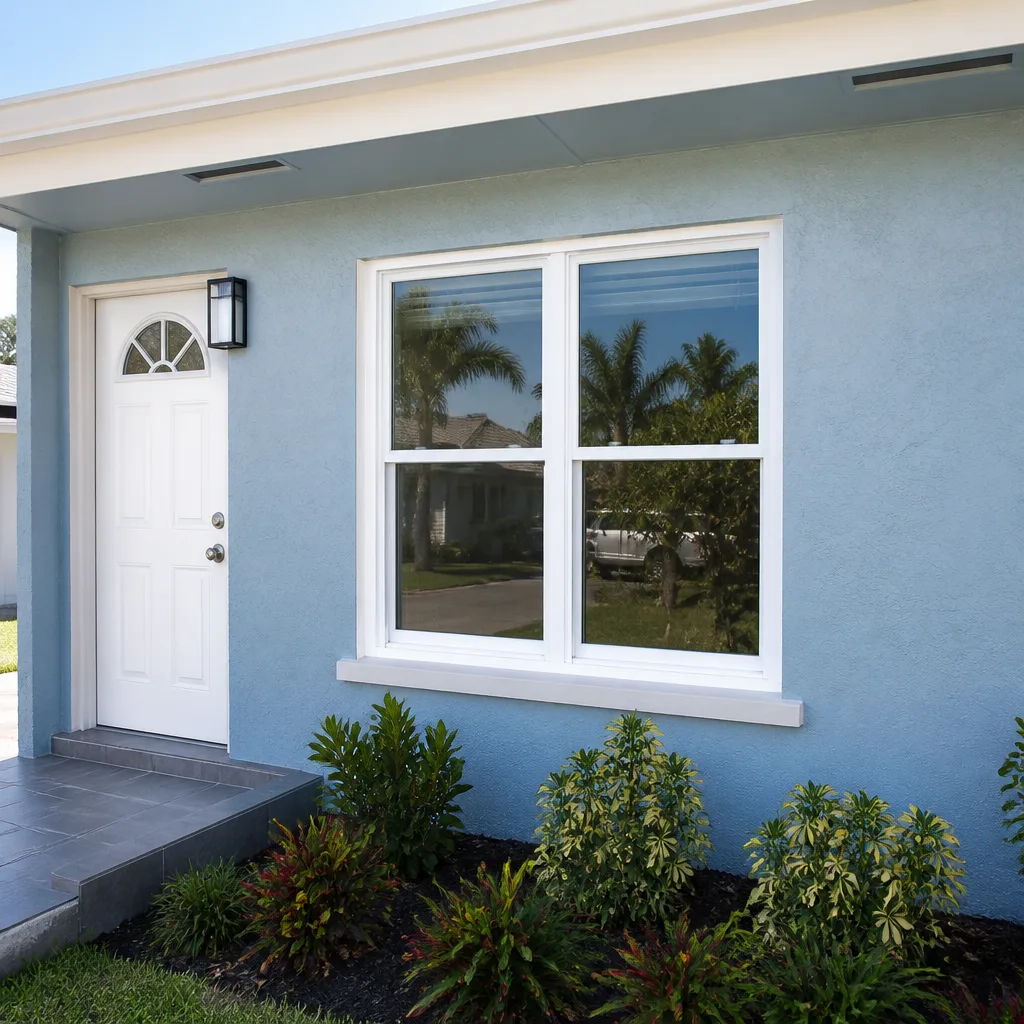 After
After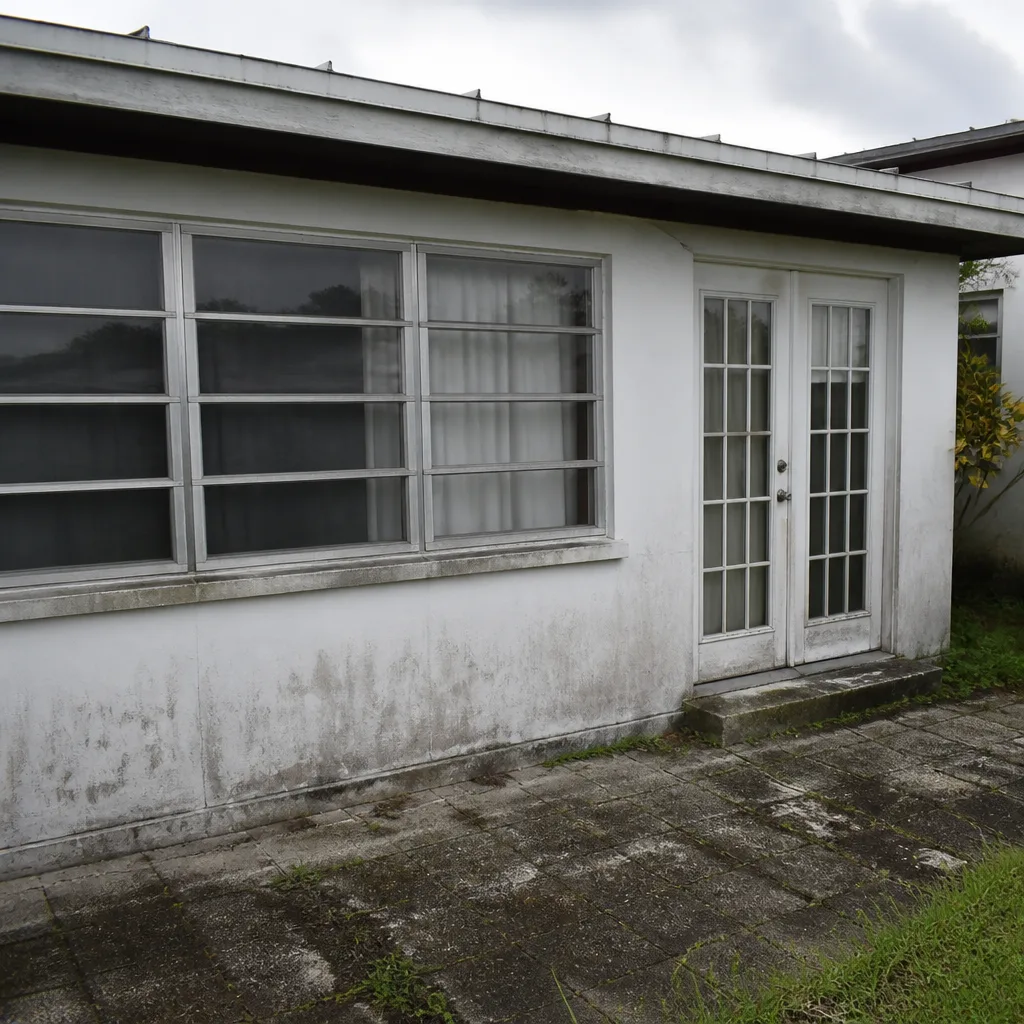 Before
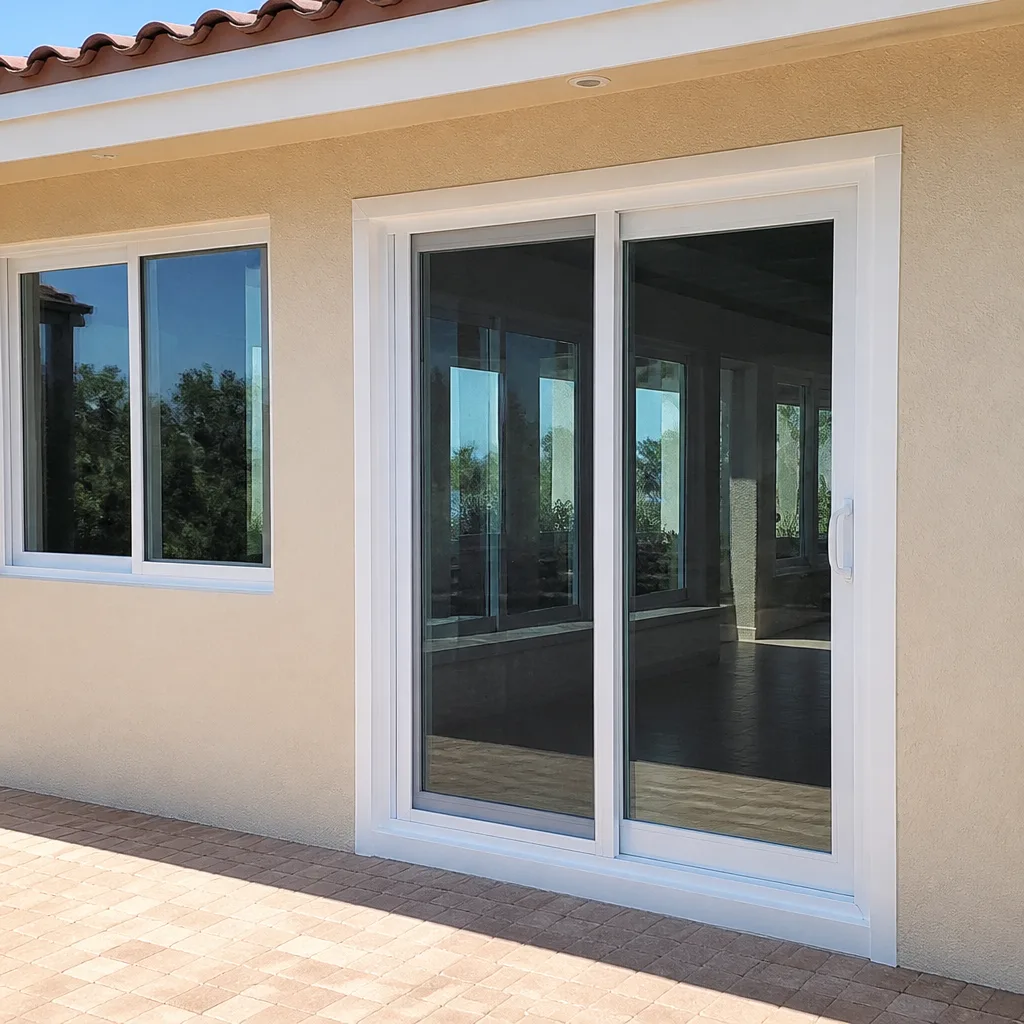 After
After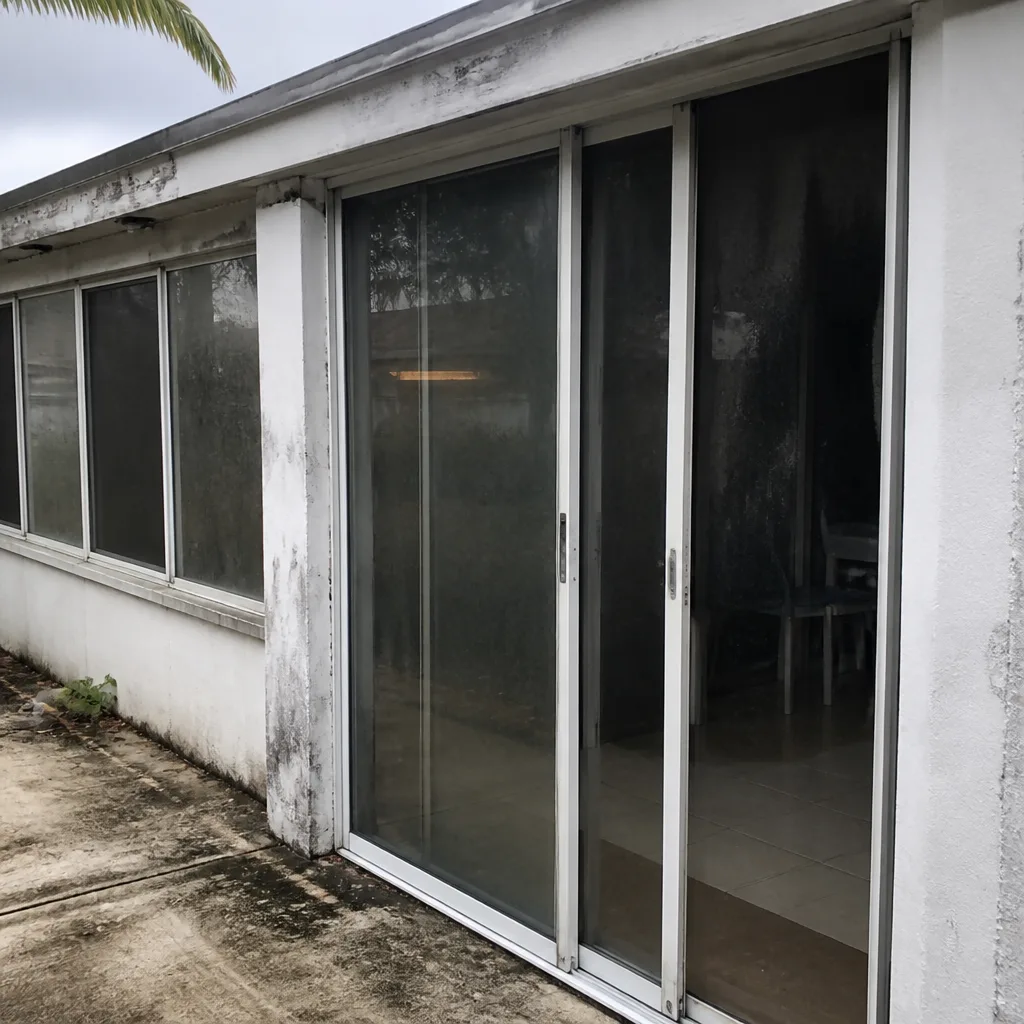 Before
 After
AfterWhat a Miami-Dade NOA Means for Your Riviera Beach Windows and Doors
A Miami-Dade NOA, or Notice of Acceptance, is a product approval document issued by Miami-Dade County that certifies a specific window, door, or building product has passed Florida’s strictest hurricane impact testing. In Riviera Beach, especially on Singer Island and the coastal edge of the mainland, any impact window or door must carry a valid NOA before it can be installed. If you’re already looking into this, you’re likely dealing with a condo association letter, a permit hold-up, or a contractor who told you your existing windows are no longer up to code. Call us at (786) 829-6722 if you want a straight answer on whether what you have is approved, and what to do if it is not.
Why Riviera Beach Homeowners Run Into the NOA Question So Often
The short version: Miami-Dade County set the testing standard for hurricane windows, and almost every coastal municipality in South Florida now references it. But Riviera Beach sits in its own particular bind. The mainland is largely post-WWII concrete block construction from the 1950s through 1970s, with the original single-pane aluminum jalousie or horizontal-sliding windows that predate any modern impact code. Those windows predate NOAs entirely. When a homeowner pulls a permit to replace them, the permit office checks product approval numbers before anything gets ordered.
Singer Island makes the NOA question even more pointed. Those 6-to-20-story concrete condo towers from the 1960s through 1980s are now facing Florida’s post-Surfside milestone inspection and recertification laws, SB 4-D. When an engineer signs off on a building’s structural recertification, the glazing on the building envelope often has to be tracked back to a Florida Product Approval, and a Miami-Dade NOA is the strongest form of that documentation. We have walked into oceanfront units on Singer Island where the original 1970s sliding glass doors were so corroded from decades of salt spray that the panels had become fixed walls. The track was no longer a track. The association needed full replacements, and every option had to be cross-checked against an active NOA product listing before the board would even put it on the agenda.
What an NOA Actually Tells You - and What It Does Not
An NOA is not a generic stamp. It is tied to a specific manufacturer, a specific product line, and a specific set of assembly details, including maximum size, frame material, glass type, and anchoring method. If a window passed testing as a 48-by-72-inch outswing casement with a particular anchor pattern, that same approval does not automatically apply to an 84-inch slider in the same product family. The paperwork follows the exact configuration.
Here is what a Miami-Dade NOA confirms, in plain terms:
- The product survived large-missile impact testing - a 9-pound 2×4 shot at the glass at roughly 50 feet per second, followed by severe wind pressure cycling.
- The product survived cyclic wind-load testing - thousands of pressure cycles that simulate a hurricane hammering a building for hours, not minutes.
- The anchoring and frame assembly are included in the approval - the glass alone passing is meaningless if the frame pulls out of the opening.
- The product carries a Florida Product Approval number - the state-level system that Miami-Dade NOAs feed into and that local building departments in Palm Beach County check before a permit clears.
What an NOA does not tell you: whether the product is actually right for your opening, whether the installers know how to hit the required anchor pattern, or whether the sealant schedule matches what the manufacturer tested. That is where the workmanship part comes in, and it is the part that gets skipped more often than most homeowners realize.
Common Local Scenarios Where the NOA Question Comes Up
We see the same few situations repeat across Riviera Beach, and they are worth spelling out because each one changes what you need to do next.
The association letter on Singer Island. A condo board sends a letter saying the owner must replace their windows or sliding doors by a given date, and the approved product list is attached. The list references NOA numbers and Florida Product Approval IDs. The owner calls us because they cannot make sense of the list, or they found a lower bid using a product not on it. In a high-rise concrete building, an unapproved window is not just a code issue. The engineer of record has to sign off under the new recertification mandates. If the product lacks the right approval, the engineer will not sign, and the permit stalls.
The 1950s CBS house on the mainland. The homeowner has original jalousie windows and wants them gone. They call a contractor who gives a number without specifying the product line. The permit application goes in, the building department asks for the NOA, and the contractor either disappears or comes back with a “comparable” product that has not actually been approved for that opening size. We see this one often enough that we now tell people to ask for the NOA number before signing anything. If a contractor will not give you the approval document up front, that is an answer in itself.
The salt-ravaged slider near the beach. A homeowner in a 1980s building on the southern end of Singer Island notices the sliding door has become nearly impossible to open. The aluminum track has corroded to the point where the rollers cannot ride. The glass is fine. The frame is dead. This is a frame replacement job, not a reglaze, and the new assembly has to meet the current wind-load design zone for direct Atlantic frontage. That means an impact-rated door with a valid NOA, not a standard builder-grade slider.
How Product Companies Fit Into the Miami-Dade Approval System
We are an authorized installer for more than a dozen manufacturers, and we quote several lines side by side on paper so a Riviera Beach homeowner can see exactly what they are buying. When we are working on the coast, we typically start the conversation with the Florida product approval paperwork before we talk about style. PGT and CGI dominate the impact window market in Palm Beach County for good reason - both maintain extensive Miami-Dade NOA listings across a wide range of sizes and configurations, which makes them practical for the older, odd-sized openings we find in 1960s condo towers. CWS and ES Windows also hold current approvals and can be the right answer on certain jobs, especially the high-rise work where the door or window configuration is less common.
Sometimes a homeowner calls us with a stack of quotes and no idea why one is half the price of another. The difference is often in the approval details. A window with an NOA for a limited size range may be cheaper because it is being sold into smaller openings, or a door without a Miami-Dade approval may be marketed as “hurricane-rated” based on a weaker test standard. The sheet of paper tells the truth if you know what to look at.
Our founder, Dale Kessler, keeps a folding rule in his truck instead of a tape measure, an old habit from his father’s finish carpentry days. He says the rule does not stretch, which matters when you are measuring a concrete opening that has settled out of square over forty years. His approach to paperwork is the same. If the NOA does not cover the size and configuration of the actual opening, the window is wrong before it leaves the warehouse. As he likes to say, “If it is not right on paper, it will not be right on the wall.”
Why Installing to the Approval Matters as Much as the Approval Itself
Here is the part most conversations miss. A Miami-Dade NOA includes an anchoring schedule and a set of installation requirements that are part of the approval. The product was tested with specific fasteners at specific spacing into a specific substrate. If the installers throw generic anchors into a concrete block wall without checking the approved pattern, the NOA is effectively voided. The window may look fine. It may pass a visual inspection. But it has not been installed in a way the approval tested or the manufacturer will honor.
We register both manufacturer warranty layers in writing before our truck leaves the driveway. That is not a marketing phrase; it means the homeowner gets documentation showing the window warranty is active and the installation work is covered by our Done Right Promise. If something is not right, we make it right. No paperwork fights, no arguing. In Riviera Beach, where the salt air is quietly working on every piece of aluminum and every seal, that kind of accountability is the difference between a window that performs for decades and one that starts fogging or binding in five years.
Our technicians measure every opening twice. It sounds simple because it is, but it is the step that prevents an approved window from arriving in the wrong size or an unapproved window from sneaking into a permit package as a “substitution.” We work in homes the way we would work in our own mother’s, which is a phrase we use because it is the actual standard, not because it sounds good in an ad.
Key Takeaways About Miami-Dade NOAs in Riviera Beach
- A Miami-Dade NOA is the strongest Florida product approval for hurricane impact windows and doors, and coastal Riviera Beach requires it for almost all replacement work.
- The approval is tied to a specific product, size, and frame configuration - not just a brand name.
- Singer Island condo towers face engineer-of-record sign-off under SB 4-D recertification, which makes product approval paperwork critical.
- Salt corrosion on oceanfront buildings typically destroys frames before the glass fails, so the replacement assembly must meet current wind-load requirements with a valid NOA.
- If a contractor will not show you an NOA number before you sign, pause the job and get another set of eyes on it.
FAQs
A Miami-Dade NOA is an official certificate proving that a particular window or door model passed Miami-Dade County’s hurricane impact and wind-load testing for a defined set of sizes and configurations. A product without an active NOA cannot be legally installed in most coastal Riviera Beach replacement projects.
No, not every window in Riviera Beach requires a Miami-Dade NOA, but any impact-rated replacement on structures within the coastal wind-load design zone typically does. The mainland’s older CBS homes and Singer Island’s high-rise condos both fall under requirements that make a current Florida Product Approval, anchored by an NOA where applicable, the practical standard. Call (786) 829-6722 and we can check your specific opening and building requirements over the phone.
You can look the product up by manufacturer name or NOA number in the Miami-Dade County product control search system, and any reputable contractor should hand you a copy of the approval document before you sign a contract. We provide the NOA and Florida Product Approval paperwork for every quote we write on impact work, because the package is part of the bid, not an afterthought.
It is often cheaper to install a window without an NOA, because the product has not passed the most demanding hurricane test standard, but the savings evaporate when the permit fails, the association rejects the product, or the insurance company declines to credit the window after a storm. For homes on Singer Island and the immediate coast, the wrong glass is a liability; for more on impact work, see our Impact Windows & Doors in Riviera Beach page.
Sound Like Your Situation?
If you are sorting out an NOA question, a condo letter, or a corroded slider on Singer Island, we would rather talk it through over the phone than watch you gamble on paper that does not line up. TruePane Windows & Doors offers a no-pressure assessment in Riviera Beach. Call (786) 829-6722 and we will tell you what you actually need, and whether what you already have is worth keeping. If you would rather start with some background on who we are and how we work, head back to our home page.
Written by Dale Kessler, Owner, TruePane Windows & Doors at TruePane Windows & Doors, serving Riviera Beach, FL.
Six Reasons Homeowners Choose TruePane Windows & Doors
Impact systems engineered to design pressures up to +/-100, matched to your wind zone - your openings hold when the storm arrives.
Low-E insulated impact glass from our manufacturer lines commonly cuts monthly cooling bills 20-30%.
Laminated impact glass shuts out up to 40% of outside noise - traffic, neighbors, weather.
Monitoring services run $30-90 a month. Laminated impact glass resists forced entry around the clock, with no subscription.
Florida homeowners average around 25% savings on the windstorm portion of their policy after protecting every opening - some homes qualify for more.
A full impact package upgrades curb appeal, buyer confidence and appraised value in one project.