
Free in-home measure and quote - PGT, CGI and CWS impact lines compared on your actual openings, style by style
Sliding glass doors
Impact garage doorsPGTCGI
 Before
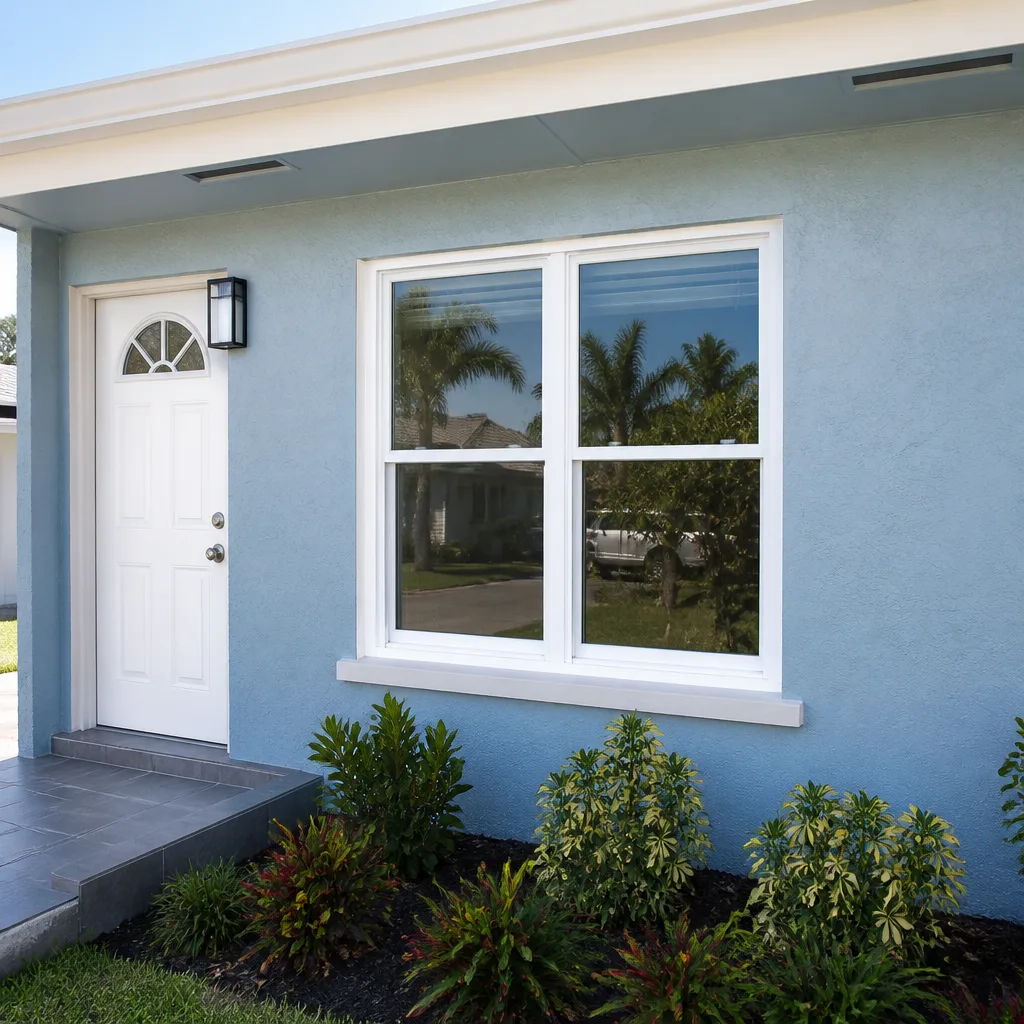 After
After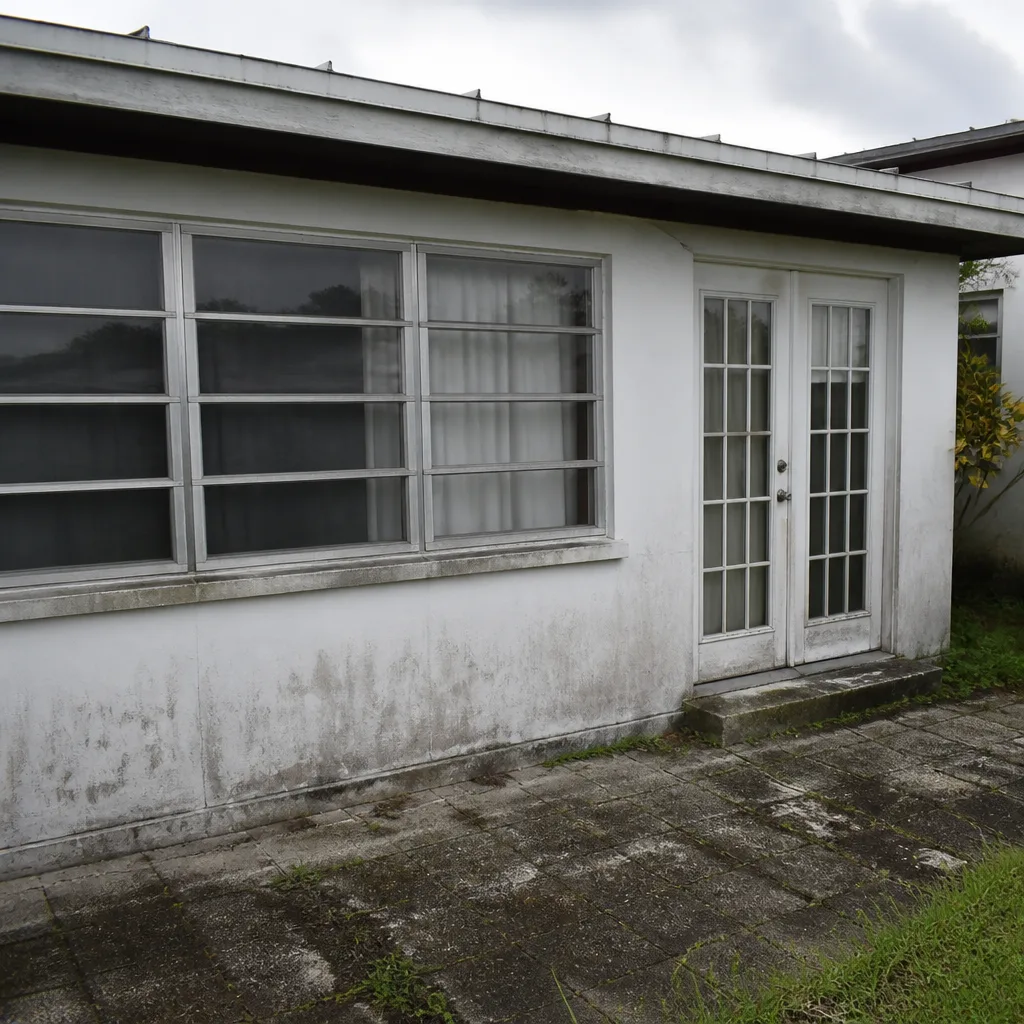 Before
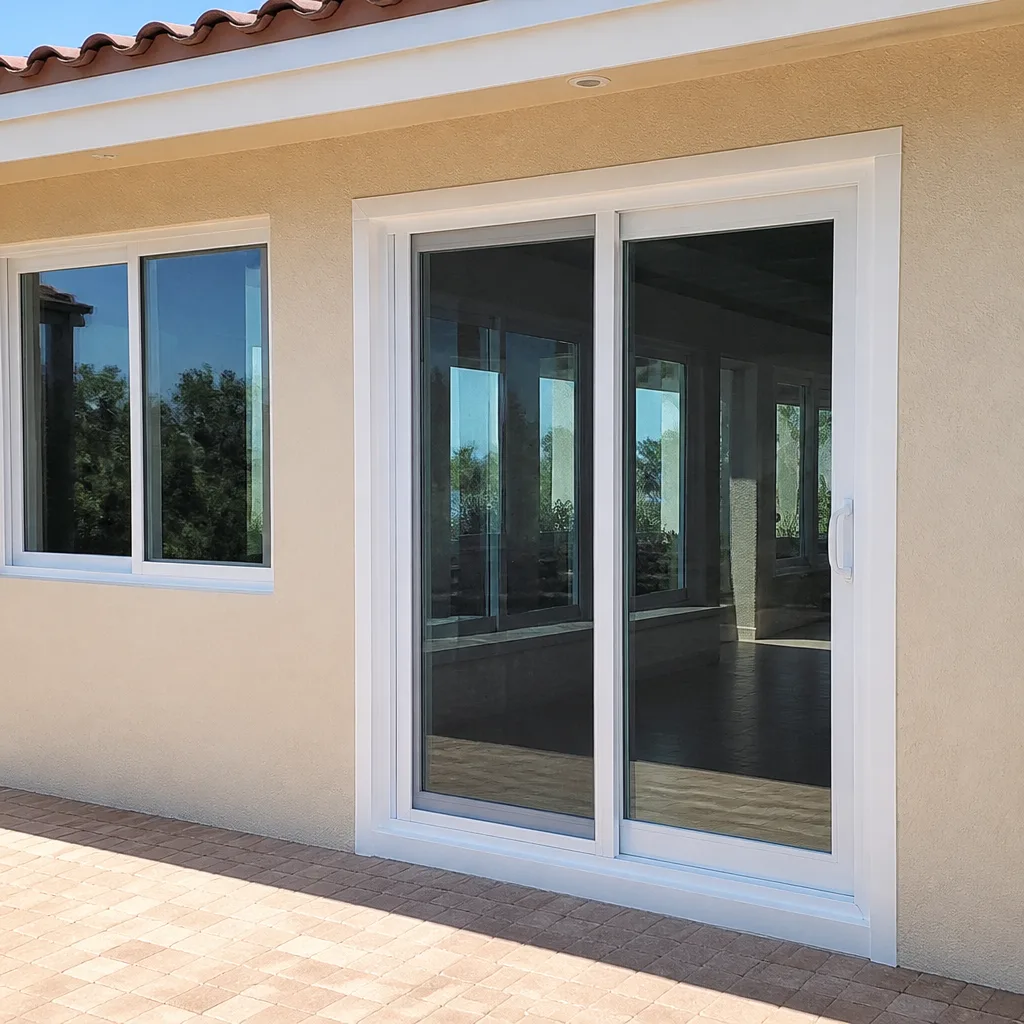 After
After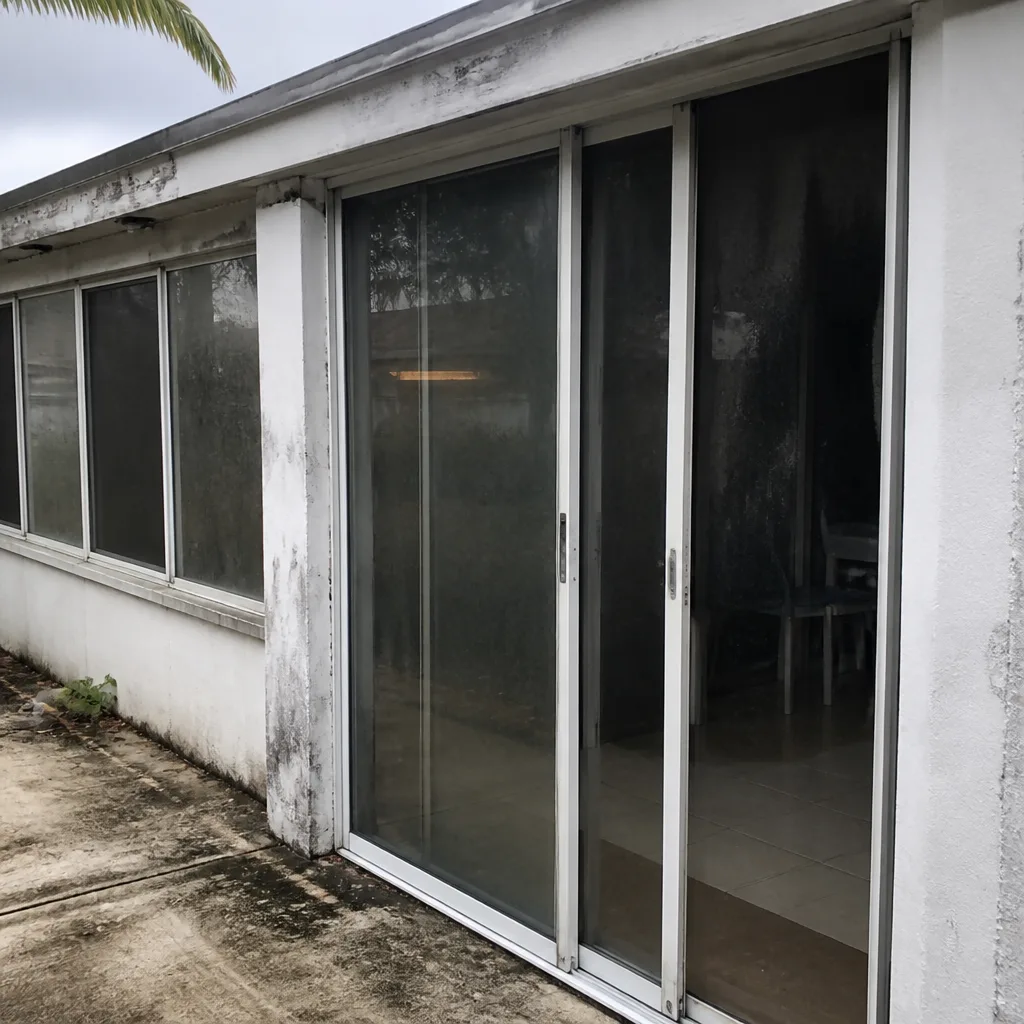 Before
 After
AfterDouble Hung vs Casement Windows in Riviera Beach: Choose Casement for Coastal Exposure, Double Hung for Everywhere Else
For most Riviera Beach homes, we recommend casement windows on any elevation that faces the Atlantic or the Intracoastal, and double hung windows on the street side and interior walls. That’s the honest, field-tested answer. Casement windows seal tighter against wind-driven rain and salt spray because the sash presses into the frame with a crank and locking points around all four sides. Double hung windows are easier to live with day to day, cost less per opening, and are perfectly adequate for protected elevations. If you’re weighing the two, the deciding factor in Riviera Beach is rarely aesthetics. It’s wind load, corrosion, and what the building code will let you install on a given wall. Call (786) 829-6722 and we’ll walk you through which openings need which window.
The Real Difference, from a Glazier’s Viewpoint
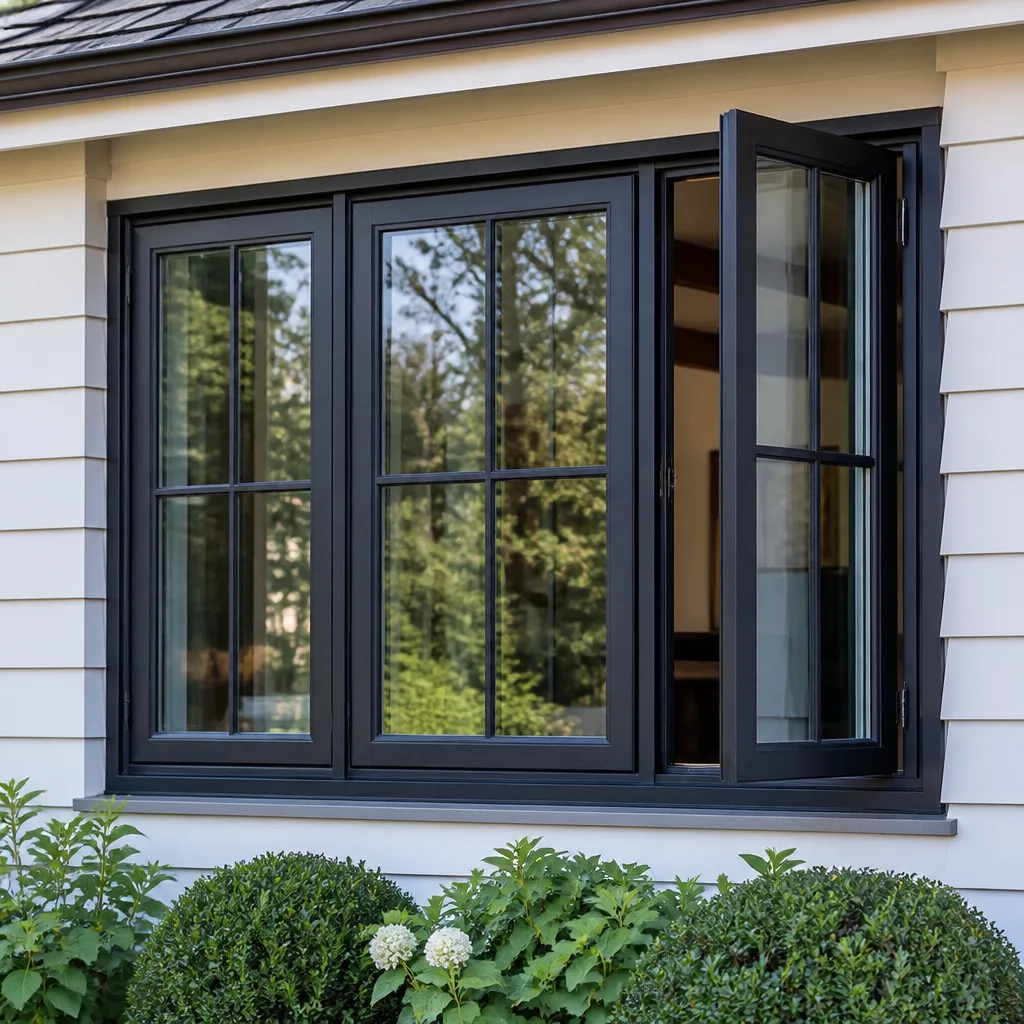
Both styles have two sashes or panels. The difference is how they operate and how they seal. A double hung window has two sashes that slide vertically past each other. A casement window has one sash hinged on the side that swings outward on a crank. That simple mechanical difference drives everything else: cost, air infiltration, maintenance, and how the window performs in a hurricane.
We’ve been setting windows in Palm Beach County long enough to know that homeowners usually arrive at this comparison after a bad experience. Maybe a double hung leaked during a storm, or a casement crank stripped after ten years of salt air. Dale Kessler, our owner, has said more than once that the best window for a house is the one the installer actually wants to put in his own mother’s house on that specific wall. On Singer Island, that’s usually a casement. On Blue Heron Boulevard with a solid CBS wall blocking the wind, a double hung is often the smarter spend.
How the Two Compare in Coastal Conditions
Salt air in Riviera Beach does not treat all windows the same. Aluminum tracks on double hung windows collect salt residue, and over time the sashes start binding. Casement hardware sits tighter and more protected, but the crank mechanism has more moving parts that can seize if the window is never opened. Neither is immune. What changes is the failure pattern, and that matters when you’re spending thousands of dollars.
Here’s a straightforward comparison based on what we see in the field:
- Air and water seal: Casement wins. The sash compresses against weatherstripping around the entire perimeter when closed. Double hung windows have a meeting rail in the middle where the two sashes overlap, and that’s the most common leak point on older models.
- Impact resistance: Tie, assuming both are impact-rated. PGT, CGI, and ES Windows all make code-compliant versions of both styles. The frame and glazing matter more than the operating style.
- Ease of operation: Double hung wins. No crank to reach, no sash swinging outward into a walkway or landscaping. Casements are harder to operate over a kitchen sink, for example.
- Ventilation control: Casement wins in a breeze. The open sash actually catches wind and channels it inward. Double hung windows ventilate more evenly but less aggressively.
- Screen placement: Double hung puts the screen on the outside. Casement puts it on the inside. In salt air, exterior screens on double hung windows degrade faster than interior casement screens.
- Cost per opening: Double hung typically runs 10% to 20% less than a comparable casement. On a 15-window replacement, that’s real money.
- Maintenance profile in salt air: Casement cranks need periodic lubrication, and we recommend it every year on Singer Island. Double hung tracks need cleaning and occasional roller or balance replacement. Neither is maintenance-free.
What the Wind Code Actually Requires Here
Riviera Beach sits in Palm Beach County’s highest coastal wind-load design zone. Any new or replacement window must be impact-rated or paired with code-approved shutters. The style of window doesn’t change the impact requirement, but it does change how the window handles the loading. Casement windows, because they seal with multiple locking points around the entire sash, tend to perform better in the kind of cyclic wind loading that hurricanes produce. That’s a mechanical fact, not a sales pitch.
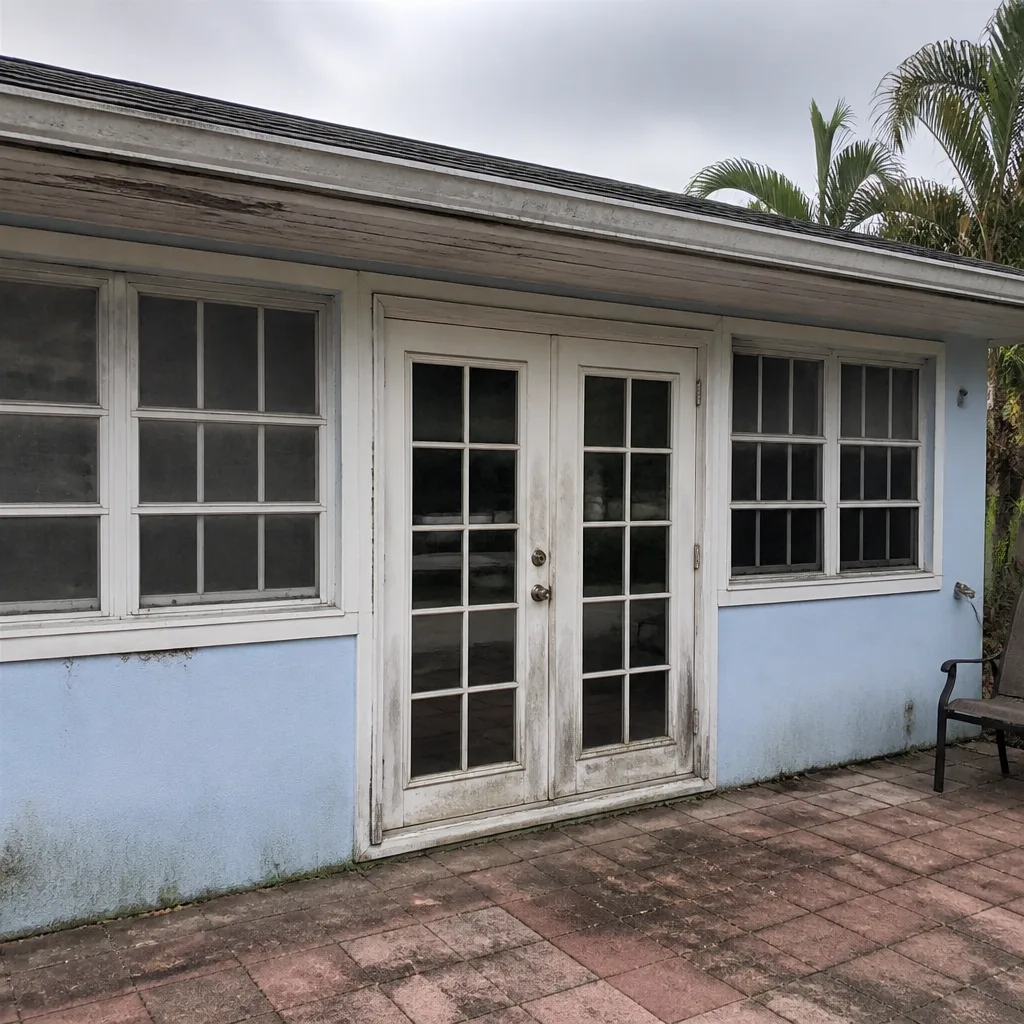
If you live on mainland Riviera Beach in a 1950s or 1960s CBS home, the original windows were likely single-pane aluminum jalousies or horizontal sliders. Those were not designed for modern wind loads, and replacing them is a code-driven project. For those homes, double hung windows are a popular upgrade because they preserve the traditional look while bringing the openings up to current standards. The decision between double hung and casement comes down to which walls catch the most weather.
If you live on Singer Island, the calculation shifts. The oceanfront condominium towers there face maximum salt-spray corrosion. Original sliding glass doors and windows in those buildings often arrive at replacement with aluminum frames so corroded the panels barely move. Under Florida’s post-Surfside recertification laws, those buildings now need engineer-of-record sign-off on impact glazing, and casement windows are frequently the specified replacement because of their superior air and water performance at height. This is not a preference. It’s what the structural reports call for.
One thing Dale learned from his sheet-metal instructor at Palm Beach State College stuck with him for two decades: a bad seal is just a slow leak waiting for the right storm. In Riviera Beach, the right storm comes every few years, and it comes from the east. If it is not right on paper, it will not be right on the wall. That means confirming Florida Product Approval ratings before ordering, and matching the window to the wall rather than the other way around.
What We See in Riviera Beach Homes, Block by Block
Most mainland Riviera Beach homes built in the 1950s through 1970s have concrete block walls with window openings sized for jalousies or horizontal sliders. When we convert those openings to double hung or casement windows, the rough opening dimensions drive a lot of the decision. Jalousies are wide and short. Casement windows are also typically wider than they are tall, which often fits those openings with less masonry work than trying to retrofit a tall double hung. That matters because less structural modification means less cost and less disruption to a mature home.
On the other hand, many homeowners prefer double hung windows in living rooms and bedrooms because they’re easier to open and close daily, especially for someone who isn’t looking to reach across a counter and crank a window every afternoon. We have installed both styles in every neighborhood from the Blue Heron corridor down to the Port of Palm Beach area, and the honest pattern is this: the walls facing east toward the water get casements, and the walls facing the street or the neighbor’s house get double hungs. It’s a hybrid approach, and it works.
One more local wrinkle: original 1970s and 1980s sliding glass doors in Riviera Beach complexes often have aluminum tracks so corroded from salt spray that the panels have effectively become fixed walls. When we replace those, we usually recommend a casement-style window or a modern impact sliding door depending on the opening size and the view. The point is that the window or door type should follow the exposure, not a uniform look across the whole building.
Cost Expectations for Both Styles in Riviera Beach
Prices vary by size, brand, and the condition of the existing opening, but here’s a realistic range for installed windows in Riviera Beach as of this year:
| Window Type | Typical Installed Cost Per Opening | Best Fit in Riviera Beach |
|---|---|---|
| Double hung, non-impact | $450 - $750 | Interior walls, street-facing elevations with shutters |
| Double hung, impact-rated (PGT, ES Windows) | $800 - $1,300 | Mainland CBS homes meeting code with impact glazing |
| Casement, non-impact | $550 - $900 | Protected elevations, tight seal priority |
| Casement, impact-rated (PGT, CGI, CWS) | $950 - $1,500 | East-facing and oceanfront elevations, high-rise work |
| Either style, custom sizing or high-rise rigging | Add 20% - 40% | Singer Island condo work, non-standard openings |
For a mainland Riviera Beach ranch with fifteen openings, a full double hung replacement with impact glazing typically lands between $12,000 and $19,500. The same house in casements might run $14,000 to $22,500. On Singer Island, those numbers rise because of high-rise logistics, condo association coordination, and the heavier frames required at height. We quote both styles side by side on paper so you can see the actual difference before any commitment. No pressure, no phone calls after the quote to “check in.”
The Case for Each Style, Stated Plainly
Choose double hung if: the wall is not directly exposed to ocean wind, you want a traditional look, you have windows over counters or beds where a swinging sash would be awkward, or you’re replacing multiple openings and the budget difference matters. Double hung windows are the workhorse of mainland Riviera Beach, and a good impact-rated double hung from PGT or ES Windows will perform well for decades if it’s set true and sealed correctly.
Choose casement if: the window faces the Atlantic or the Intracoastal, you’re in a condo building that requires the tightest possible air and water seal, or you live where the salt spray runs through track channels and eats hardware. Casements are the better engineering answer for coastal exposure, and in high-rise recertification work, they’re often the only sensible choice.
Whatever you choose, the installation is the part that either protects the warranty or voids it. TruePane is an authorized installer for more than a dozen manufacturer lines, including PGT, CGI, CWS, and ES Windows. We register both manufacturer warranty layers in writing before we leave the driveway, and the Done Right Promise covers the workmanship. That’s The Keystone Standard, and it’s not a sales phrase. It’s what Dale built the company on in 2008 after seeing too many out-of-true installs and voided warranties across Palm Beach County.
FAQs
For coastal exposure, yes. Casement windows seal tighter against wind-driven rain and salt spray than double hung windows because the sash compresses against weatherstripping on all four sides. On protected interior walls, double hung windows are equally acceptable and often more practical for daily operation.
Impact-rated casement windows in Riviera Beach typically run $950 to $1,500 per installed opening, while comparable double hung windows run $800 to $1,300. The gap narrows on smaller windows and widens on large openings or high-rise work on Singer Island. Call (786) 829-6722 for a side-by-side written quote for your specific openings.
Yes, double hung windows meeting Florida impact code are available from manufacturers including PGT, ES Windows, and CWS. The requirement in Riviera Beach is impact-rated glazing or code-approved shutters on all replacement windows, regardless of operating style. We confirm Florida Product Approval numbers on every order before the window is built.
Casement windows have fewer exposed tracks for salt to collect in, but their crank mechanisms need annual lubrication near the coast. Double hung windows expose tracks and balances to salt air, which can cause binding over time. Neither style eliminates maintenance near the Atlantic, but casement hardware generally lasts longer in direct salt exposure.
Written by Dale Kessler, Owner, TruePane Windows & Doors at TruePane Windows & Doors, serving Riviera Beach, FL.
Six Reasons Homeowners Choose TruePane Windows & Doors
Impact systems engineered to design pressures up to +/-100, matched to your wind zone - your openings hold when the storm arrives.
Low-E insulated impact glass from our manufacturer lines commonly cuts monthly cooling bills 20-30%.
Laminated impact glass shuts out up to 40% of outside noise - traffic, neighbors, weather.
Monitoring services run $30-90 a month. Laminated impact glass resists forced entry around the clock, with no subscription.
Florida homeowners average around 25% savings on the windstorm portion of their policy after protecting every opening - some homes qualify for more.
A full impact package upgrades curb appeal, buyer confidence and appraised value in one project.