
Free in-home measure and quote - PGT, CGI and CWS impact lines compared on your actual openings, style by style
Sliding glass doors
Impact garage doorsPGTCGI
 Before
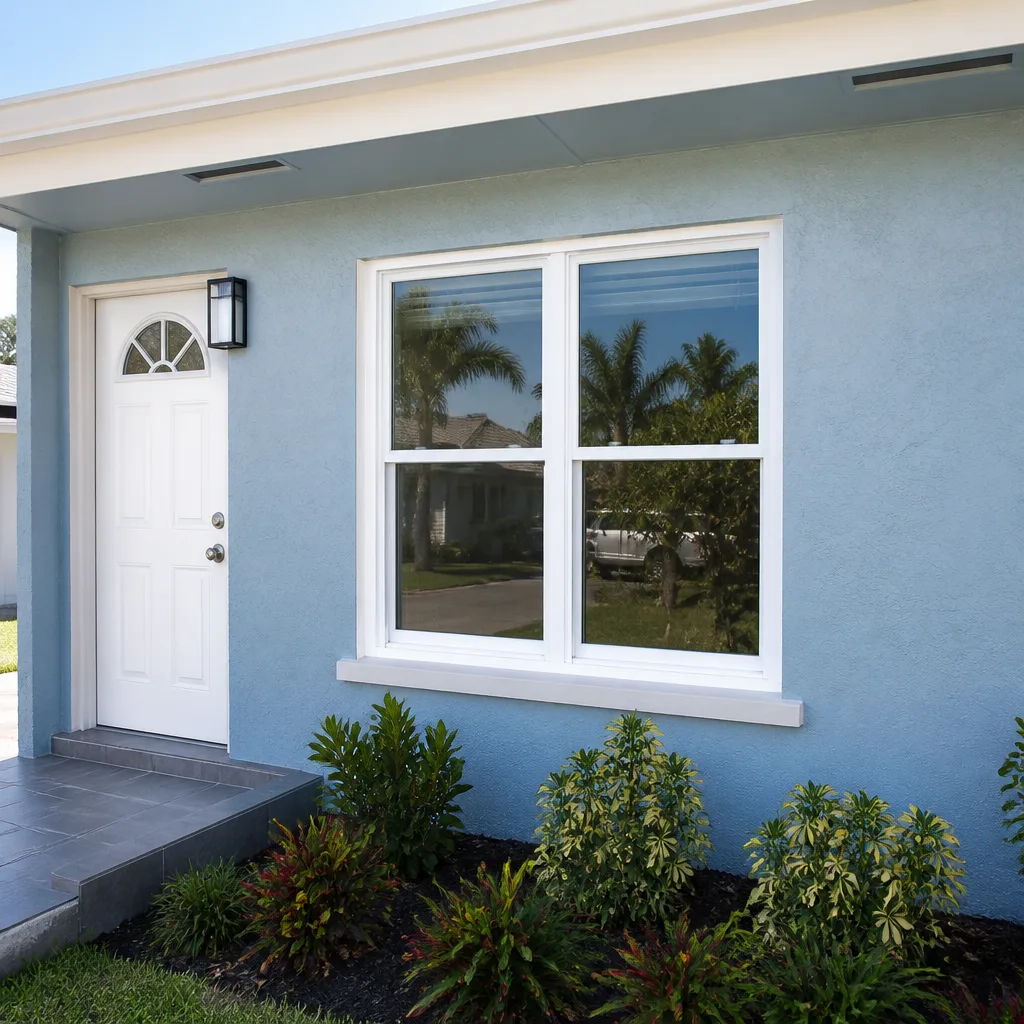 After
After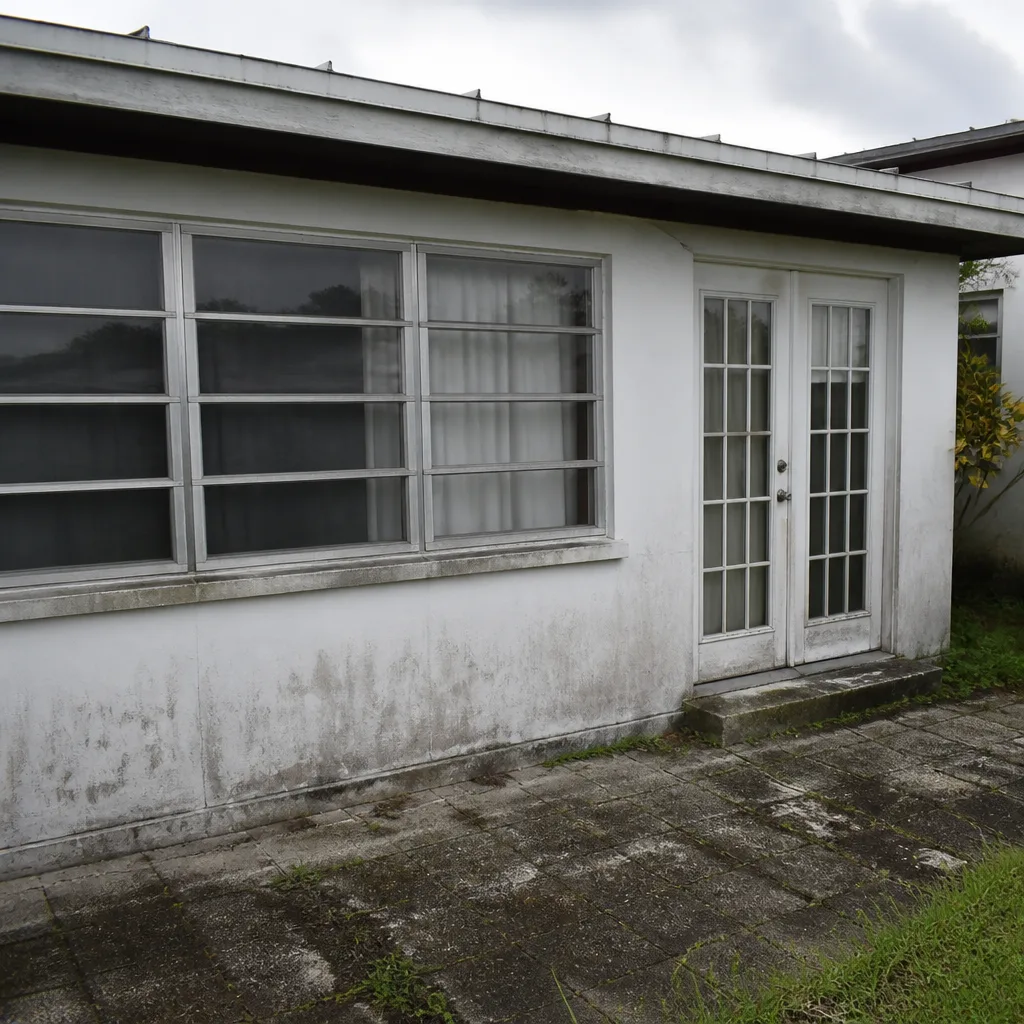 Before
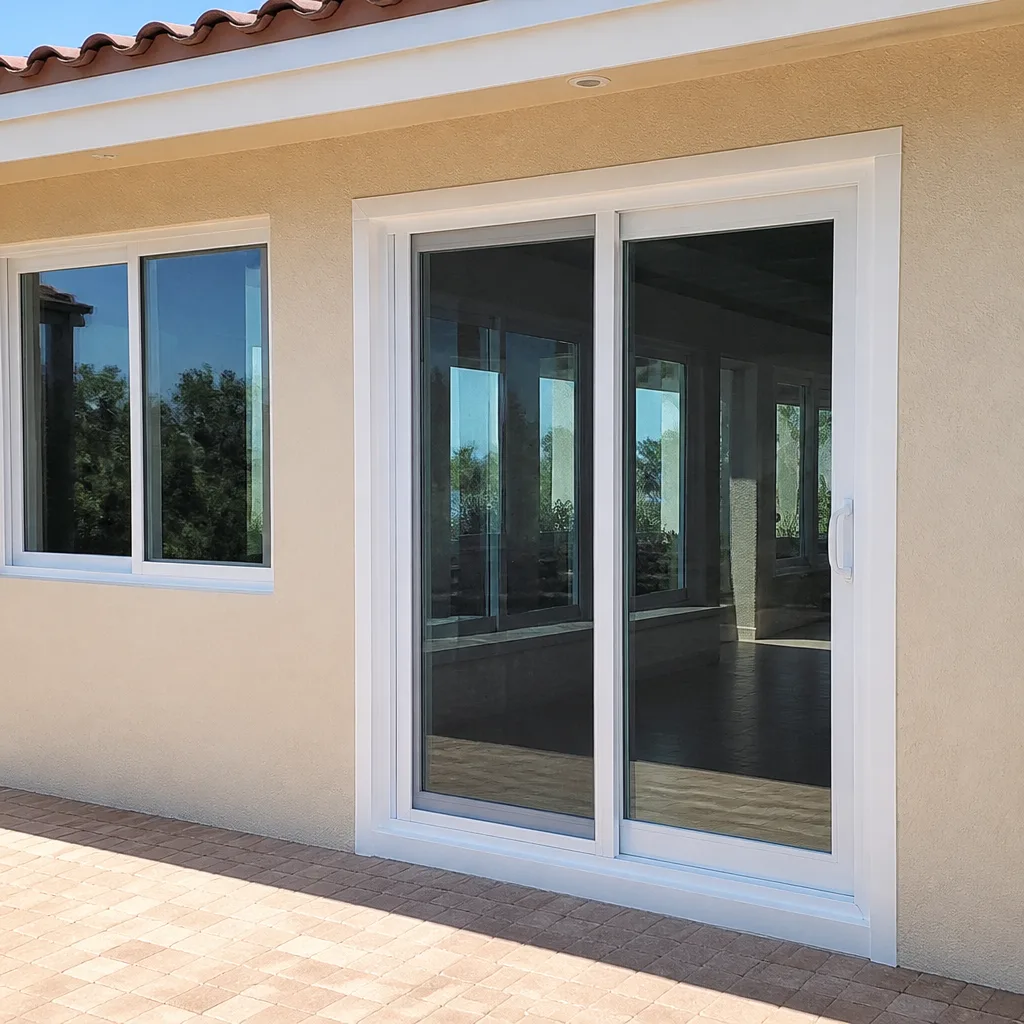 After
After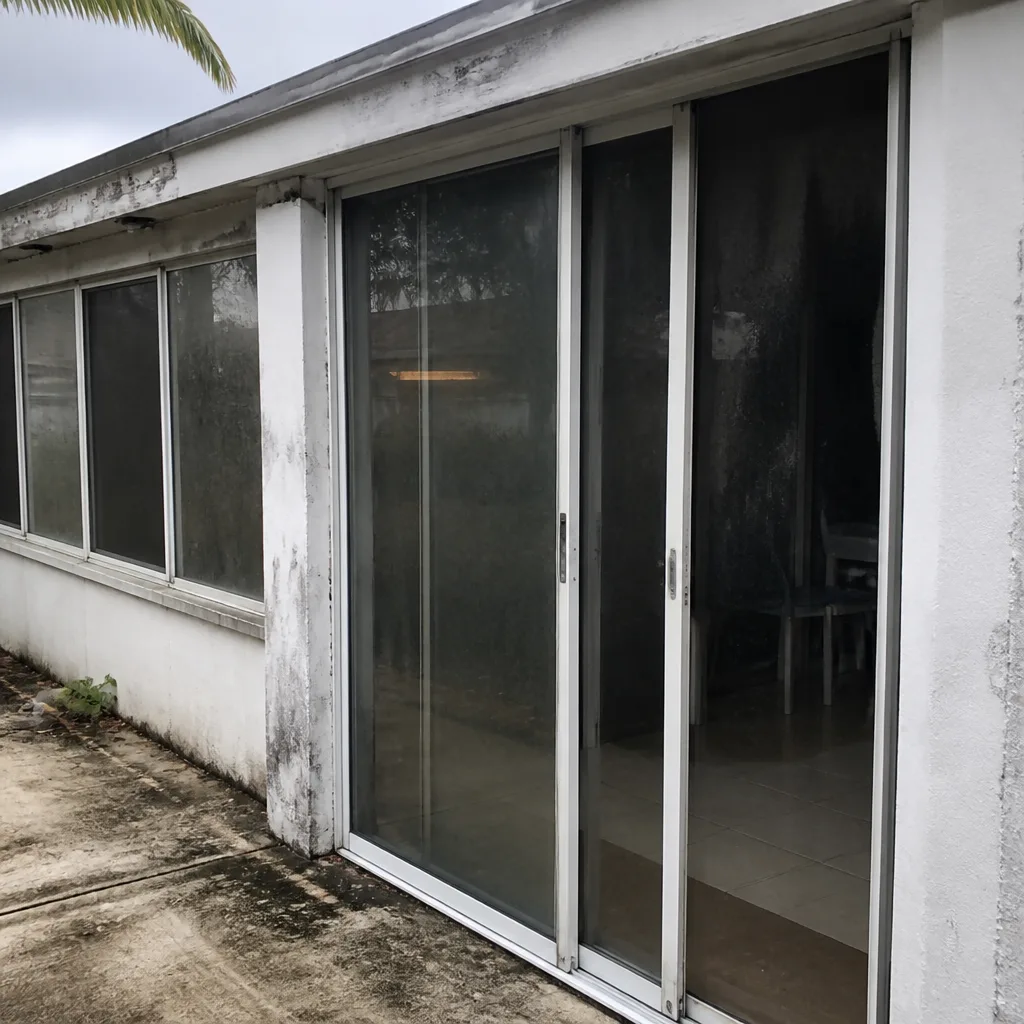 Before
 After
AfterHow Custom Windows Are Made: The Riviera Beach Reality
Custom windows are built to order from precise measurements, with each unit fabricated around the exact opening size, glass package, frame material, and impact rating the job demands. A true custom window starts as a set of dimensions on a work order and ends as a finished, factory-tested assembly that fits one specific opening in one specific wall. In Riviera Beach, that process nearly always includes Florida Product Approval documentation and impact-rated glass, because the coastal wind-load requirements here do not bend. If you are weighing custom windows for a home here, call TruePane Windows & Doors at (786) 829-6722 and we will walk you through the entire build path before you spend a dollar.
Dale Kessler, owner of TruePane Windows & Doors, sums up the whole craft in one rule we keep in the shop: “If it is not right on paper, it will not be right on the wall.” A custom window is not a stock unit pulled from a warehouse shelf and shimmed into place. It is a sequence of decisions, each one made before the first frame piece is cut.
What “Custom” Actually Means
Most people assume custom means unusual shapes, like arches, circles, or floor-to-ceiling trapezoids. Those exist, and we build them. But in our Riviera Beach work, custom more often means a stock-window opening that no longer matches any stock-window size, or a frame material and glass package combination no standard line carries. Houses on the mainland, mostly concrete block built in the 1950s through 1970s, sit with original single-pane jalousie or horizontal-slider openings. Those dimensions were set before modern impact code, before insulated glass, before anyone thought about a Category 5 wind load. The window that fits that hole today does not come from a catalog. It comes from a fabrication order.
Custom fabrication follows a six-stage path. Each stage matters, and skipping any one of them is how a window ends up out of true.
Stage One: Measure the Opening, Then Measure It Again
Every custom window begins with dimensions taken from three points: top, middle, and bottom for width, and left, center, and right for height. Concrete block openings shift over decades. A wall that reads 48 inches at the header can read 48 and 3/8 at the sill. We record the smallest workable dimension and build to that, then flash and seal the gap.
On Singer Island, where TruePane does a steady share of high-rise replacement work, measurement carries extra weight. Original 1970s and 1980s sliding glass doors in oceanfront condos arrive at replacement with aluminum tracks corroded so badly from decades of salt spray that the panels have become fixed walls. You cannot fudge a measurement on a 20-story tower where the engineer-of-record signs off on every opening. We measure with a folding rule, not a tape, because Dale picked up the habit from his father’s finish carpentry days and never saw a reason to change it.
Stage Two: Choose the Frame and Glass Package
The frame material drives the glass weight the window can carry. In Riviera Beach, the practical choices are:
- Aluminum: Strong and well suited to impact glazing, but vulnerable to salt-air pitting unless finished with a marine-grade coating. On Singer Island, we specify this finish every time because standard anodizing fails within a few years of direct ocean exposure.
- Vinyl: Good thermal performance and immune to salt corrosion, which makes it a solid mainland choice. Taller impact units need steel reinforcement inside the vinyl extrusion.
- Wood or wood-clad: Beautiful but rare in direct coastal exposure. We steer most beachfront homeowners toward aluminum or vinyl unless the condo association’s aesthetic guidelines require wood.
Glass packages for custom windows in this area almost always include laminated impact glass rather than a separate hurricane shutter. The laminate layer is what holds the pane together when debris hits. Both PGT and CGI build their custom impact lines to Florida Product Approval standards, and TruePane is an authorized installer for both, along with ES Windows for high-end architectural work.
Stage Three: Fabrication at the Manufacturer
Once we place the order, the manufacturer cuts the frame extrusions to the submitted dimensions, welds or mechanically joins the corners, and installs the glass into the sash. For impact windows, the laminated glass gets cut and sealed under factory conditions, not on your driveway. The finished unit then goes through testing to confirm it meets the design pressure rating stamped on the Florida Product Approval document.
Here is where the difference between a real custom window and a mislabeled stock unit shows up. A stock window manufactured in bulk does not get tested against your specific opening. A custom unit does, because the fabricator knows the exact dimensions, glass recipe, and wind-load rating before the line starts. When we order a custom window for a Riviera Beach home, the paperwork names the address, the opening, and the product approval number. If the paper is not right, the window is not right.
Stage Four: Shipping and Handling for Coastal Conditions
Custom windows ship on edge, wrapped, and labeled per opening. For Singer Island projects, we coordinate with the condo association’s loading dock and freight elevator schedule. A 6-foot-by-8-foot impact slider for a 12th-floor unit does not ride up in the passenger elevator. This is one reason high-rise custom work costs more and takes longer than mainland single-family installs, and why we quote it separately side by side on paper so the homeowner sees exactly what they are buying.
Stage Five: The Install That Makes or Breaks the Window
A perfectly fabricated window installed out of level will bind, leak, and fail its own warranty. We set every unit with shims at the manufacturer’s specified bearing points, check level and plumb with a 6-foot level, and fasten through the frame into the concrete block or buck framing at the spacing the approval document requires. Then comes the flashing: backer rod, sealant, and a sill pan where the opening calls for it.
In the oldest Singer Island units, we also have to account for asbestos-containing glazing compounds from the original 1960s and 1970s installs. That material stays in place unless the opening is being fully demolished, and when it must come out, it comes out under proper containment procedures, not with a crowbar and a Shop-Vac. This is part of the job that cheap bids quietly skip.
Stage Six: Warranty Registration Before the Truck Leaves
Every TruePane custom window job ends with The Keystone Standard: both manufacturer warranty layers registered in writing, durations stated, before the truck leaves the driveway. Most window warranties have two layers: the glass seal warranty and the frame/hardware warranty. Homeowners in Riviera Beach lose both when a contractor forgets to file the registration or never tells the homeowner the durations. We state them on the invoice and register them that day. Then the Done Right Promise covers the workmanship: if the window is not right, we make it right, no paperwork fights and no arguing.
You can read more about the full scope of our Custom Windows & Doors in Riviera Beach work on the service page, or start from our home page to understand the shop and the standard we hold.
What Custom Windows Cost in Riviera Beach
Pricing depends on frame material, glass package, impact rating, and whether the job is mainland single-family or high-rise condo. The table below reflects typical ranges we quote for custom work in this area.
| Window Type / Scope | Typical Custom Range, Installed |
|---|---|
| Single custom impact window, mainland CBS home | $900-$1,800 per opening |
| Custom impact slider, standard 3-panel, mainland | $2,800-$5,500 |
| High-rise custom impact window, Singer Island | $1,400-$3,200 per opening (includes rigging and association coordination) |
| Full custom impact sliding door, oceanfront tower | $6,500-$14,000 (engineer sign-off and asbestos handling extra where applicable) |
| Custom shaped window (arch, radius top), non-impact | $1,200-$2,600 |
These are working ranges, not quotes. A field measurement changes everything, and that is the point of a custom window. We encourage homeowners to get a side-by-side quote from at least two manufacturers, because comparing an Andersen to a CGI on paper is the only honest way to see what you are paying for.
Common Local Scenarios We See
Riviera Beach homeowners do not call us about custom windows in the abstract. They call with a specific problem. Here are the ones that repeat:
- The Singer Island slider that will not slide. Salt has eaten the aluminum track and the rollers are seized. The glass is fine. The frame is gone. This is a full custom replacement, because the opening is non-standard and the association requires FPA-rated product with engineer sign-off.
- The mainland jalousie window in a 1962 CBS house. The homeowner wants it gone because it leaks air and makes the AC bill climb every July. The opening is 72 inches wide, which no stock window matches. Custom vinyl impact unit, built to fill the opening and rated for the coastal wind zone.
- The condo tower doing mandatory recertification. SB 4-D milestone inspections have pushed building-wide replacement programs across Singer Island. The association needs commercial-grade impact glazing, specialized high-rise rigging, and a contractor who can work around residents still living in the building. We have done enough of these to know the rhythm.
Dale grew up in the Blue Heron neighborhood, spent enough teenage weekends watching the drawbridge go up and down to learn patience, and learned the glazing trade at Palm Beach State College, where a sheet-metal instructor told him a bad seal is just a slow leak waiting for the right storm. That advice stuck, and it is why we treat window work here as a craft commitment, not a transaction.
FAQs
Most custom windows take 4 to 10 weeks from approved order to delivery at our Riviera Beach shop, depending on the manufacturer’s production queue and the glass package. High-rise impact units on Singer Island run toward the longer end because they are built and tested to the higher design pressures. We give homeowners a written lead time at order and update them if the fabricator’s schedule shifts.
Yes, and in Riviera Beach any custom window going into a building in Palm Beach County’s coastal wind-load zone must carry a Florida Product Approval number for the specific opening size and glass recipe. We work with manufacturers like PGT, CGI, and ES Windows to spec custom impact units that meet or exceed the design pressure for the exact address.
Repair is cheaper when the frame, track, and seal are sound, which is uncommon in Riviera Beach where salt air corrodes aluminum frames years before the glass fails. If the track is pitted or the seal has fogged, a repair buys time, not permanence. A custom replacement costs more up front and lasts decades when installed correctly. Call (786) 829-6722 and we will tell you honestly which one your window needs.
Yes, custom windows carry manufacturer warranties on both the glass seal and the frame, and TruePane registers both layers in writing before the truck leaves the driveway. Our Done Right Promise covers the workmanship behind the install. The durations are stated on your invoice, so there is no fine print to argue about later.
If you would rather have an experienced eye on your openings, TruePane Windows & Doors offers a no-pressure assessment in Riviera Beach, whether you are on the mainland or up in a Singer Island tower. Call (786) 829-6722 and a live person answers, 24 hours a day, 7 days a week.
Written by Dale Kessler, Owner, TruePane Windows & Doors at TruePane Windows & Doors, serving Riviera Beach, FL.
Six Reasons Homeowners Choose TruePane Windows & Doors
Impact systems engineered to design pressures up to +/-100, matched to your wind zone - your openings hold when the storm arrives.
Low-E insulated impact glass from our manufacturer lines commonly cuts monthly cooling bills 20-30%.
Laminated impact glass shuts out up to 40% of outside noise - traffic, neighbors, weather.
Monitoring services run $30-90 a month. Laminated impact glass resists forced entry around the clock, with no subscription.
Florida homeowners average around 25% savings on the windstorm portion of their policy after protecting every opening - some homes qualify for more.
A full impact package upgrades curb appeal, buyer confidence and appraised value in one project.